




The Golden Rule: Start Bone Dry
The most critical step in monsoon storage is ensuring every single item is completely dry before it gets packed away. Storing even slightly damp clothes or linens creates a perfect breeding ground for mould and mildew inside dark cupboards. While sunlight
is a natural disinfectant and ideal for drying, it can be scarce during the rains. Instead, dry clothes thoroughly indoors using a fan to improve circulation, making sure not to overcrowd the drying area. For an extra measure of security, iron clothes on a low heat setting after they feel dry to the touch; this helps eliminate any final traces of residual moisture. Remember, this rule applies to everything, not just textiles. Wipe down all furniture, books, and containers before organising them.
Embrace Breathable Storage
Counterintuitively, airtight plastic containers are not always your best friend in high humidity. While great for some items, they can trap moisture if the contents are not perfectly dry, leading to condensation. For clothing and textiles, breathable is better. Opt for cotton or fabric storage bags instead of plastic ones. When organising your wardrobe, avoid cramming items together. Leave space between garments to allow air to circulate, which is vital for preventing moisture from settling in one spot. If you do use plastic bins for items like electronics or documents, ensure they have tight-fitting lids and add a desiccant inside to absorb any trapped air moisture. For furniture, avoid plastic wrap and instead use breathable cotton sheets or moving blankets as covers.
The Power of Dehumidifiers
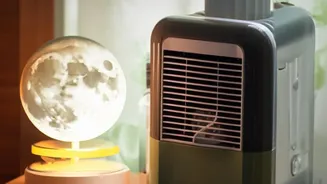
Actively removing moisture from the air is a game-changer. An electric dehumidifier is highly effective for maintaining humidity levels below 50-60%, the threshold where mould struggles to grow. However, you don't need to rely solely on electronics. There are many effective and affordable DIY options. Place moisture absorbers like silica gel packets, activated charcoal, or camphor tablets in the corners of wardrobes, drawers, and storage boxes. Camphor and dried neem leaves also act as natural insect repellents. You can create your own dehumidifiers by placing rock salt or baking soda in a bowl; these will absorb ambient moisture from small, enclosed spaces like cupboards.
Wardrobe and Textile Care
Your wardrobe requires special attention during the monsoon. Once you’ve ensured everything is dry and there's good airflow, add natural fresheners. Sachets filled with cloves or lavender can keep clothes from developing a musty odour. For expensive or delicate items like silks and heavy woollens, consider getting them professionally dry-cleaned before storing them for the season. Leather goods are particularly vulnerable. Treat leather shoes and bags with a waterproof spray before the season starts. When storing them, stuff them with paper to maintain their shape and absorb internal moisture, and never keep them in plastic bags, which prevent the leather from breathing.
Protecting Books, Papers, and Electronics
Paper and electronics are highly susceptible to moisture damage. Store important documents and precious books in a dry, stable environment, away from exterior walls which can be prone to dampness. Do not pack books too tightly on shelves; allow for air to circulate around them. For added protection, you can place silica gel packets in bookcases or storage boxes containing papers. When it comes to electronics, the first step is to remove all batteries before storage to prevent corrosion. Wrap the devices and place them in plastic containers along with a few silica gel packets to keep them dry. It’s also wise to keep all items, especially electronics and boxes of papers, elevated off the floor on pallets or shelves to protect them from any potential water seepage.
Strategic Kitchen and Pantry Storage
The kitchen is another area where humidity can spoil food quickly. Grains, flours, spices, and even biscuits can absorb moisture from the air, leading to clumping, mould, and spoilage. The single most important step is to transfer all dry goods from their original bags into airtight containers as soon as you buy them. For extra protection for staples like rice and dal, add a few dried bay leaves or neem leaves to the container to act as a natural pest repellent. Store cooking oils and ghee in dark, airtight containers away from the stove and windows, as exposure to heat, light, and humid air can degrade them faster. During the monsoon, it's better to buy smaller packs of frequently used items to ensure they are consumed before they have a chance to spoil.