






The Urban Problem of 'Just in Case' Items
Living in a metropolitan apartment often means a constant battle for space. Every square foot is precious, yet cupboards and balconies fill up with items bought 'just in case'—an electric screwdriver for assembling one piece of furniture, a high-pressure
washer for an annual balcony clean, or a fancy kitchen gadget that seemed like a good idea at the time. This accumulation not only creates clutter but also fuels a significant environmental issue: electronic waste (e-waste). India is one of the world's largest generators of e-waste, producing millions of tonnes annually. Many of these discarded items, from power tools to small appliances, contain hazardous materials like lead and mercury that can harm the environment if not disposed of properly. The cycle of buying, using infrequently, and eventually discarding electronics contributes directly to this growing crisis.
Enter the Library of Things
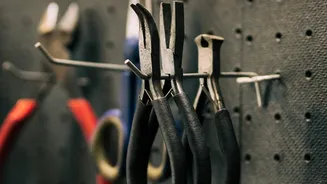
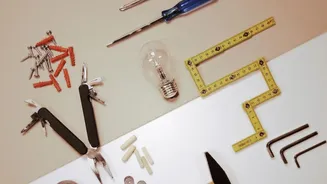
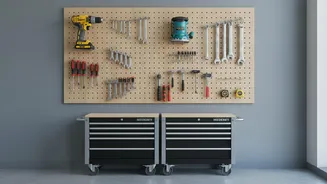
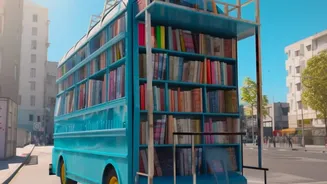
Imagine a library where you can borrow a power drill, a sewing machine, or a projector with the same ease as borrowing a book. This is the concept behind a tool-sharing library, often called a 'Library of Things'. It’s a community-based service that allows members to borrow a wide array of items for a short period, either for free, a small fee, or as part of a membership. Instead of hundreds of households in a single apartment complex each owning a rarely-used drill, the community can share access to a few high-quality ones. This model is a cornerstone of the circular economy, which emphasizes using resources for as long as possible to extract their maximum value and minimize waste. By promoting access over ownership, these libraries offer a practical and sustainable alternative to individual consumption.
A Direct Hit on Electronic Waste
The connection between sharing libraries and e-waste reduction is straightforward but powerful. When communities share tools and electronics, the overall demand for new products decreases. Fewer items are manufactured, purchased, and ultimately thrown away. This is particularly impactful for electronics, which have a notoriously short lifespan due to rapid technological advancements and planned obsolescence. A single household might buy a cheap, low-quality power tool that breaks after a few uses, heading straight for the landfill. In contrast, a tool library invests in durable, repairable equipment that serves dozens or even hundreds of people over its lifetime. This simple shift from individual ownership to collective access prevents countless items from becoming waste, conserving the precious metals and resources used in their production and avoiding the release of toxic components.
More Than Just an Eco-Friendly Choice
While the environmental benefits are significant, the appeal of tool-sharing libraries extends much further. For apartment residents, the advantages are immediate and tangible. First, there's the financial saving. Renting an item for a few hours or days is vastly cheaper than buying it outright. Second is the space-saving aspect; your home is no longer a storage unit for infrequently used equipment. Perhaps most importantly, these libraries build community. They become natural hubs for neighbourly interaction, fostering a sense of collaboration and shared responsibility. In a world of increasing urban isolation, sharing resources can help rebuild local connections, turning a block of apartments into a more cohesive and supportive community.
The Sharing Movement in India
The sharing economy is already taking root in India, with co-living and co-working spaces becoming increasingly popular in major cities. These models prove that urban Indians, particularly younger generations, are open to experience-driven lifestyles that prioritize access and flexibility over ownership. While dedicated 'Libraries of Things' are still an emerging concept, the foundation is there. Some modern residential projects are already incorporating shared-asset libraries into their amenity offerings, allowing residents to book items through an app. Furthermore, community-driven initiatives and networks are forming to promote resource sharing. For apartment complexes, Resident Welfare Associations (RWAs) are perfectly positioned to pioneer such projects, starting small with a collection of the most commonly requested tools and appliances.