






First, Let’s Talk About the Visa
Let's get this out of the way: Indian passport holders need a visa for Japan, and there is no visa-on-arrival option. However, the process is more straightforward than you might think. Since April 2024, Japan has offered an eVisa for Indian residents
applying for a single-entry tourist visa, which simplifies the procedure. You apply through an accredited agency like VFS Global, not directly on a government portal. The government visa fee itself is minimal, around ₹500 as of April 2026, though service charges apply. The required documents are standard: a valid passport, photos, bank statements, tax returns, and confirmed flight and hotel bookings. The main takeaway is that this is a predictable, checklist-based process. As long as you plan ahead and have your documents in order, the visa is a manageable step, not a major obstacle. The real challenge is budgeting effectively.
What a Japan Trip Really Costs
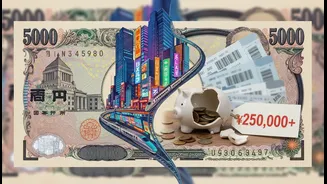
So, how much should you save? For a 7 to 10-day trip from India, a realistic budget per person can range from ₹1,25,000 to ₹2,50,000. A comfortable mid-range trip often lands around ₹1,70,000 per person for 10 days, excluding major shopping sprees. Your biggest expenses will be flights and accommodation. Flights from major Indian cities can cost between ₹45,000 and ₹75,000 for a round trip if booked a few months in advance. Travelling during off-peak seasons, like winter, can offer significant savings compared to the popular cherry blossom (March-April) or autumn foliage (September-November) periods, when prices surge.
Accommodation for Every Budget
Japan offers a wide spectrum of lodging options. For budget travellers, hostels, guesthouses, and capsule hotels are fantastic choices, often costing between ₹2,000 and ₹5,000 per night. Capsule hotels, in particular, provide a unique, clean, and affordable experience, especially for solo travellers. Mid-range travellers can look at business hotel chains like APA or Toyoko Inn, which are known for their efficiency and central locations, typically costing ₹8,000 to ₹12,000 per night. Staying just outside major city centres and using the efficient public transport system can also help you find better deals without sacrificing convenience.
Eating Well Without an Empty Wallet
One of the biggest and most pleasant surprises for many travellers is how affordable delicious food can be in Japan. You don’t need to spend a fortune to eat well. A daily food budget of ₹1,000 to ₹1,500 is very achievable. Look for local ramen, soba, or curry restaurants, where a hearty meal can cost under ¥1000 (around ₹550-₹600). Convenience stores like 7-Eleven, Lawson, and FamilyMart are another budget lifesaver, offering surprisingly high-quality meals like onigiri (rice balls), sandwiches, and bento boxes that are perfect for a quick lunch. Also, visit local markets like Tsukiji Outer Market in Tokyo or Nishiki Market in Kyoto for incredible and cheap street food.
Getting Around: The Rail Pass Dilemma
Japan’s train system is legendary, but it can be expensive. For years, the nationwide Japan Rail (JR) Pass was a default purchase for tourists. However, after a significant price increase, the 7-day pass now costs ¥50,000 (around ₹27,500), and it's no longer a clear-cut deal for most itineraries. For a classic Tokyo-Kyoto round trip, buying individual tickets is now often cheaper. The JR Pass is generally only worth it if you are doing extensive, long-distance travel across multiple regions within a short period. For most travellers, a better strategy is to consider regional passes (like the Kansai Wide Area Pass for the Osaka/Kyoto region) or simply buying point-to-point tickets. For travel within cities, day passes for the subway offer great value.
Enjoying Japan for Free (or Almost Free)
Some of the best experiences in Japan cost nothing at all. Exploring vibrant neighbourhoods like Shinjuku in Tokyo or Gion in Kyoto, walking through serene public parks, and visiting many of the country's thousands of shrines and temples are often free. For example, the iconic Fushimi Inari Shrine in Kyoto and Senso-ji Temple in Tokyo are free to enter. Instead of paying for expensive observation decks, you can often get stunning city views from the free observation floors of government buildings. A simple walk through a local shopping street or a peaceful stroll through a park can be just as memorable as a pricey attraction.