






The Rule of Firsts: Order Matters Most
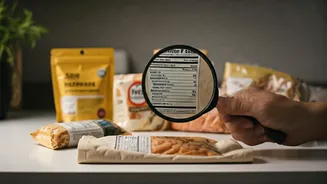
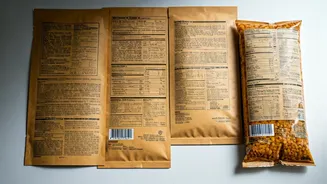
The first step to decoding any food label is to look at the order of the ingredients. By law, ingredients must be listed in descending order by weight. This means the first two or three ingredients are what make up the bulk of the product. If you see
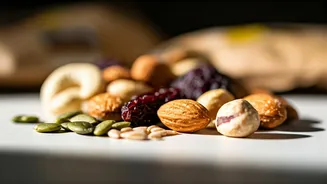
sugar, refined wheat flour (maida), or palm oil at the top of the list for a supposedly “healthy” snack, it’s a major red flag. For a genuinely nutritious product, you want to see whole foods like millets, oats, nuts, or whole wheat as the primary ingredients. This simple check gives you the most honest picture of what you’re about to eat, cutting through any confusing marketing claims.
Unmasking Hidden Sugars
Sugar rarely introduces itself by its first name. Food manufacturers use over 60 different names to disguise sugar on ingredient lists, making it hard to track your intake. Be on the lookout for words ending in “-ose,” such as dextrose, maltose, fructose, and sucrose. Syrups like high-fructose corn syrup, rice syrup, and agave nectar are also just added sugars. Even seemingly natural sweeteners like fruit juice concentrate, honey, and molasses contribute to the total sugar content. A common industry tactic is to use several different types of sugar in smaller amounts so that no single one appears high on the ingredient list. If you see multiple sugar sources listed, it's a sign the product is likely high in added sugar, regardless of where they appear.
Front-of-Pack Claims vs. Reality
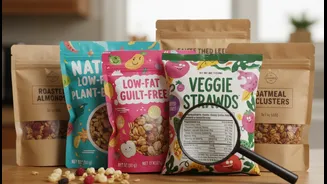
The front of a package is prime marketing real estate, often filled with appealing buzzwords like “natural,” “multigrain,” “low-fat,” or “healthy choice.” However, these claims can be incredibly misleading. Recent action from the Food Safety and Standards Authority of India (FSSAI) has flagged numerous brands for making such claims without proper justification. For example, a “multigrain” biscuit might primarily contain refined flour with only a tiny percentage of actual whole grains. A “low-fat” product may compensate for the lack of flavour by adding extra sugar. Always turn the pack over and let the ingredient list and nutrition panel tell you the real story. An “organic” claim, for instance, should be backed by a certification logo like the Jaivik Bharat emblem.
Embrace the Power of a Short List
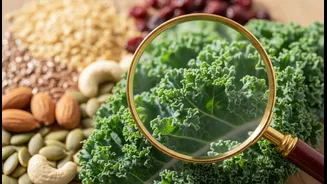
In the world of packaged foods, a shorter ingredient list is often a sign of a less processed, more wholesome product. Whole foods, by definition, have only one ingredient: an apple is just an apple. Highly processed snacks, on the other hand, often feature long, complicated lists of ingredients you can’t pronounce. These can include artificial colours, flavour enhancers, and preservatives designed to extend shelf life and create hyper-palatable tastes. If the list looks more like a chemistry experiment than a recipe, it’s best to be cautious. Aim for products made from a handful of simple, recognisable ingredients.
Decoding the Numbers: Don't Panic About INS
Seeing codes like INS 330 or INS 211 can be intimidating, but they are simply part of the International Numbering System (INS) used in India to identify food additives. These numbers are regulated by the FSSAI and correspond to specific functions like acidity regulators, preservatives, or thickeners. For example, INS 330 is citric acid, while INS 211 is sodium benzoate, a preservative. While these additives are legally permitted, their presence indicates a higher level of processing. Some, like flavour enhancer INS 635, are used to make snacks more addictive and may cause reactions in sensitive individuals. You don't need to memorize every code, but recognising that a long list of INS numbers means the product is far from its natural state is a useful rule of thumb.