







The Great Monsoon Myth: "No Sun, No Sunscreen"
It’s a thought that crosses many minds as they head out into the overcast, drizzly weather of the Indian monsoon: it’s cloudy, so I can skip the sunscreen. This, however, is a dangerous misconception. While clouds are effective at blocking some of the visible
sunlight and heat, they are far less effective at blocking ultraviolet (UV) radiation. According to dermatologists and scientific studies, up to 80% of the sun's UV rays can penetrate through clouds. In fact, under certain conditions with broken clouds, the scattering of radiation can sometimes even increase your UV exposure. This means that every time you step out on a cloudy day, or even sit near a window, your skin is still being exposed to radiation that can cause long-term damage. Relying on the grey skies as your sun protection is a myth that can have lasting consequences for your skin's health.
Understanding the Invisible Threat: UVA vs. UVB
To understand the risk, it's crucial to know the difference between the two main types of UV rays that reach us: UVA and UVB. UVB rays have a shorter wavelength and are the primary cause of immediate skin reactions like sunburn and tanning. Clouds do block a significant portion of these, which is why you're less likely to get sunburnt on a cloudy day. However, UVA rays have a longer wavelength that allows them to penetrate much deeper into the skin. They are less affected by clouds, mist, and even glass. UVA rays are present with relatively equal intensity during all daylight hours, all year round. These are the rays responsible for breaking down collagen and elastin in the skin, leading to premature ageing, wrinkles, and loss of firmness. So, while you might not see the immediate red flag of a sunburn during the monsoon, the silent, cumulative damage from UVA rays is still happening.
Why Your Skin Is Still At Risk
The long-term effects of this invisible UVA exposure are significant. This cumulative damage is known as photoaging—the premature aging of the skin caused by repeated exposure to UV radiation. It manifests as deep wrinkles, loss of elasticity, uneven skin tone, and hyperpigmentation. For Indian skin, which is more prone to certain types of pigmentation like melasma and post-inflammatory hyperpigmentation (dark spots left after acne), this daily, unprotected exposure can be particularly problematic. Furthermore, both UVA and UVB rays contribute to DNA damage in skin cells, which significantly increases the long-term risk of developing skin cancer. While higher melanin in Indian skin offers some natural protection against burning (UVB), it provides very little defence against the deeper, cellular damage caused by UVA rays.
Choosing Your Monsoon Armour: The Right Sunscreen
Protecting your skin during the monsoon doesn't mean slathering on a thick, greasy cream. The key is to choose a product that works with the humid climate. Look for a "broad-spectrum" sunscreen, as this label ensures it protects against both UVA and UVB rays. Dermatologists in India generally recommend an SPF of at least 30, with SPF 50 being a more practical choice for daily use. Pay attention to the PA rating (often written as PA+, PA++, etc.), which specifically indicates the level of UVA protection; a rating of PA+++ or higher is ideal. Given the humidity and chance of getting caught in the rain, a water-resistant formula is also a wise choice. For those with oily or acne-prone skin, gel-based, fluid, or matte-finish sunscreens are excellent options as they feel lightweight and don't clog pores.
Making It a Habit: Sunscreen in Your Daily Plan
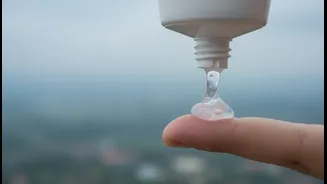
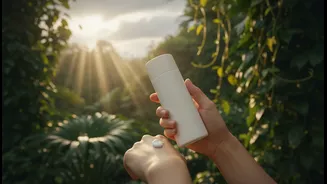
The only way to effectively combat daily UV exposure is to make sunscreen an automatic, non-negotiable part of your morning routine, just like brushing your teeth. Apply it at least 15-20 minutes before you leave the house to allow the filters to properly bind to your skin. Use a generous amount—the popular "two-finger rule" for the face and neck is a good guide to ensure you're getting the level of protection stated on the bottle. A single morning application is not enough for a full day, especially if you're sweating or have been in the rain. The standard recommendation is to reapply every 2-3 hours if you are outdoors. By integrating this simple step into your daily planning, regardless of the weather forecast, you shift from reacting to sun damage to proactively preserving the long-term health and appearance of your skin.