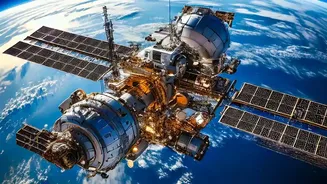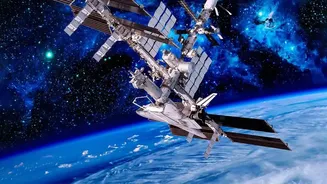






The End of an Era for the ISS
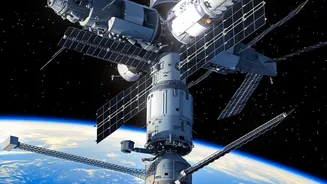
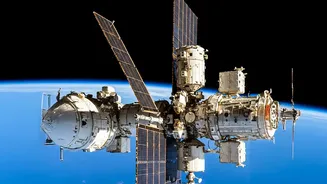
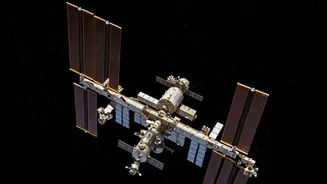
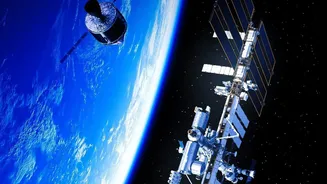
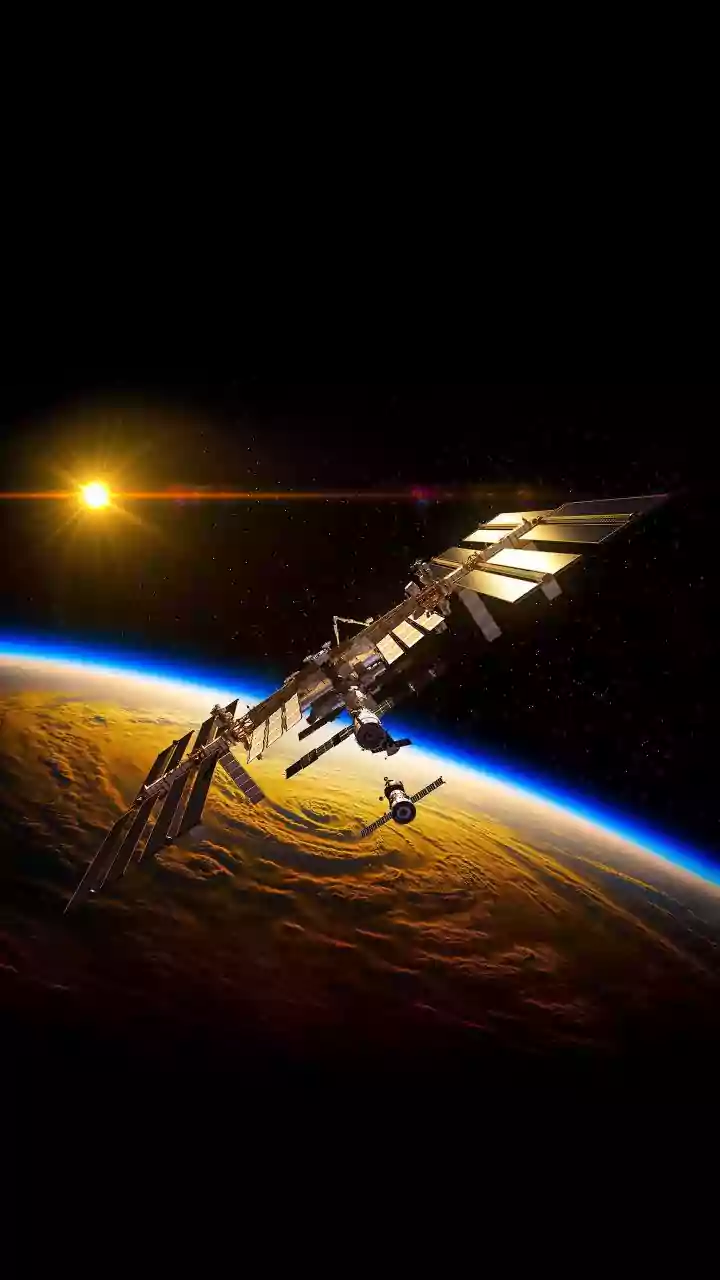
The International Space Station stands as one of humanity's greatest engineering achievements, a continuously inhabited laboratory in the sky since November 2000. However, the aging orbital outpost is facing the realities of time. Its oldest modules have
been in space since 1998, leading to increased maintenance costs and structural concerns, like small but persistent air leaks. Rather than commit to endless, expensive extensions, NASA and its international partners have decided to deorbit the station around 2030, guiding it to a safe splashdown in a remote part of the Pacific Ocean. This conclusion marks a pivotal shift in strategy: instead of owning and operating its own hardware, NASA plans to become a customer, buying services from a new fleet of commercial space stations.
NASA's Commercial Strategy Takes Flight
To ensure there is no gap in American presence in low-Earth orbit (LEO), NASA initiated the Commercial LEO Destinations (CLD) program. This forward-thinking project provides funding and technical support to several private companies tasked with developing their own orbital habitats. The goal is to foster a competitive marketplace in LEO, where NASA can purchase crew time, research access, and other services without bearing the full cost of station ownership. In late 2021, NASA awarded initial funding to teams led by Blue Origin, Nanoracks (now part of Voyager Space), and Northrop Grumman to mature their designs. This approach mirrors the success of the Commercial Crew and Cargo programs, which enabled companies like SpaceX to service the ISS, and is designed to create a vibrant LEO economy for science, tourism, and in-space manufacturing.
Axiom Space: Building on the ISS Foundation
Houston-based Axiom Space has a unique strategy and a head start. The company is already flying private astronaut missions to the ISS. Its plan for Axiom Station is to first attach its own modules to the existing ISS. Construction of the first module is underway, with a revised plan targeting the launch of a power and thermal module first. Once attached to the ISS, a habitat module will follow. Eventually, these Axiom modules will detach and become a free-flying, independent commercial space station. This approach allows Axiom to test its systems in orbit while leveraging the ISS infrastructure. The company is targeting as early as 2028 for its station to begin operating independently.
Orbital Reef: A 'Business Park' in Space
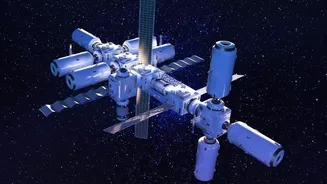
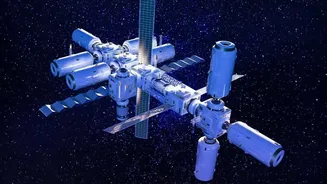
A collaboration between Jeff Bezos' Blue Origin and Sierra Space, Orbital Reef is envisioned as a "mixed-use business park" in orbit. Designed to host a diverse clientele including researchers, industrial clients, and space tourists, the project aims to provide end-to-end services from transportation to on-orbit operations. The station's architecture will feature large, flexible modules and will be serviced by Sierra Space's Dream Chaser spaceplane alongside Blue Origin's own launch vehicles. With partners including Boeing and Redwire Space, Orbital Reef represents one of the most ambitious concepts, aiming to create a thriving commercial ecosystem with capacity for up to 10 people.
Starlab and Vast: New Players Join the Race
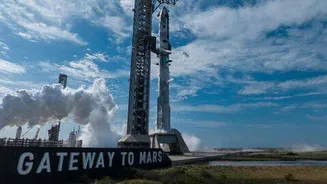
Two other major contenders are Starlab and Vast. Starlab is a transatlantic joint venture between US-based Voyager Space and European aerospace giant Airbus. Their plan is for a continuously crewed station designed to launch on a single flight before the ISS is decommissioned, ensuring a seamless transition for microgravity research. Starlab has selected SpaceX's Starship for its launch, targeting a 2029 deployment. Meanwhile, Vast, a newer entrant founded in 2021, is pursuing a fast-track approach. The company is developing Haven-1, a single-module station intended to be the first standalone commercial outpost. Initially targeting 2026, the launch is now planned for no earlier than the first quarter of 2027. Vast's long-term vision includes developing larger stations with artificial gravity.