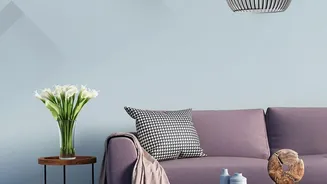


The Embrace of the Curve
For years, modern Indian interiors were dominated by clean, straight lines and sharp, geometric forms. But today, designers and homeowners are embracing a softer, more fluid aesthetic. Sharp-edged, boxy furniture is giving way to rounded silhouettes,
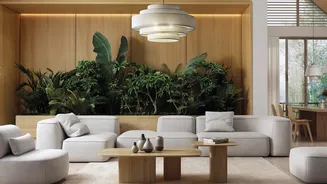
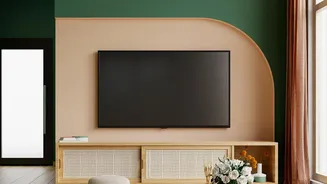
from plush, crescent-shaped sofas to oval coffee tables and consoles with gentle contours. This shift extends beyond furniture into architecture itself, with curved walls, arched doorways, and rounded niches becoming increasingly popular. These forms do more than just add visual interest; they create a sense of movement and flow, guiding the eye gently through the space. Psychologically, curved shapes can evoke feelings of comfort, safety, and intimacy, making a living room feel more welcoming and less rigid. This move towards organic forms signals a desire for spaces that feel cocooning and restful—a direct response to the hard edges of our increasingly urban lives.
Bringing Nature Indoors
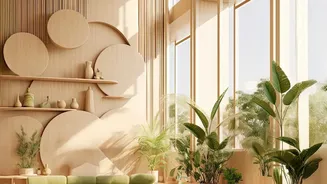
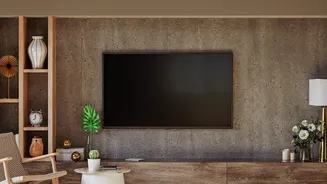
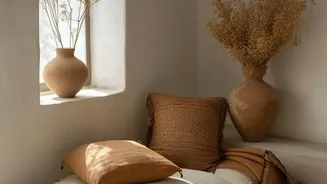
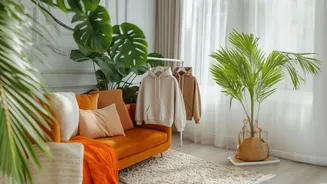
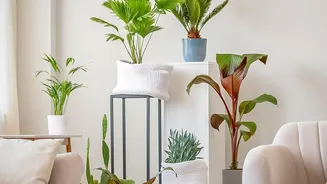
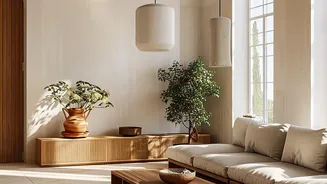
The innate human need to connect with nature, or 'biophilia', is now a cornerstone of contemporary design in India. This trend goes far beyond placing a few potted plants in a corner; it's about fundamentally rethinking the relationship between our homes and the natural world. This is achieved by maximizing natural light with large windows, creating better cross-ventilation, and incorporating a rich palette of natural materials. Solid woods like teak and sheesham, with their visible grain, are making a comeback over high-gloss finishes. These are complemented by materials like stone, bamboo, cane, jute, and terracotta, which add texture and warmth. The colour palette is also shifting from cool greys to earthy tones like beige, sand, and olive green that pair beautifully with wood and natural light. This return to nature, deeply rooted in traditional Indian architecture like the use of courtyards and verandas, is a response to urbanisation, aiming to create indoor sanctuaries that promote wellness and calm.
Designing with Layered Light
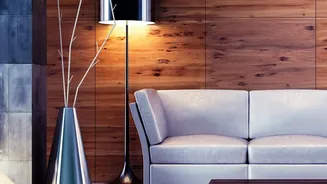
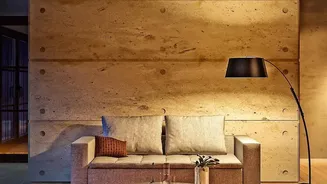
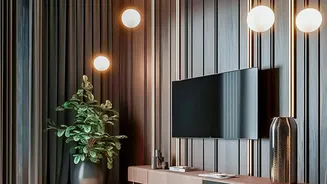
Perhaps the most transformative trend is the move away from single, harsh overhead lights towards a more sophisticated, layered approach. Instead of relying on one central tube light to flood a room, designers now think of lighting in three distinct layers that work together to create mood, depth, and functionality. The first is ambient lighting, a soft, general glow often provided by recessed or cove lighting in a false ceiling. The second is task lighting, which is focused light for specific activities, like a floor lamp for reading or a pendant light over a coffee table. The final and most artistic layer is accent lighting, which is used to highlight architectural details, artwork, or the texture of a wall. By combining these three types and using warmer-toned bulbs, a living room can be transformed from a flat, sterile space into a dynamic and inviting environment. This approach gives homeowners the flexibility to change the atmosphere of the room at the flick of a switch, from bright and energetic for a gathering to soft and intimate for a quiet evening in.