





The Zero-Cost Garden Booster
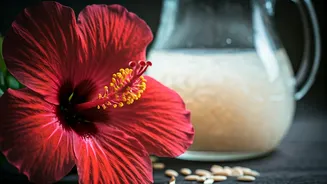
In many Indian households, rice water is a daily byproduct, often poured down the drain without a second thought. But for centuries, gardeners in the know have used this humble liquid as a potent, natural fertilizer. So, what’s in it? Rice water is rich
in starch, which provides energy for beneficial soil microbes. More importantly, it contains trace amounts of essential nutrients like nitrogen (N), phosphorus (P), and potassium (K), along with vitamins B1 (thiamine), C, and E, and various minerals and amino acids. When these microbes thrive, they help break down organic matter in the soil, making nutrients more readily available for your plants to absorb. It’s a simple, sustainable cycle that improves soil health from the ground up, all at zero cost.
Why Your Hibiscus Will Thank You
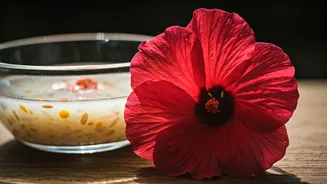
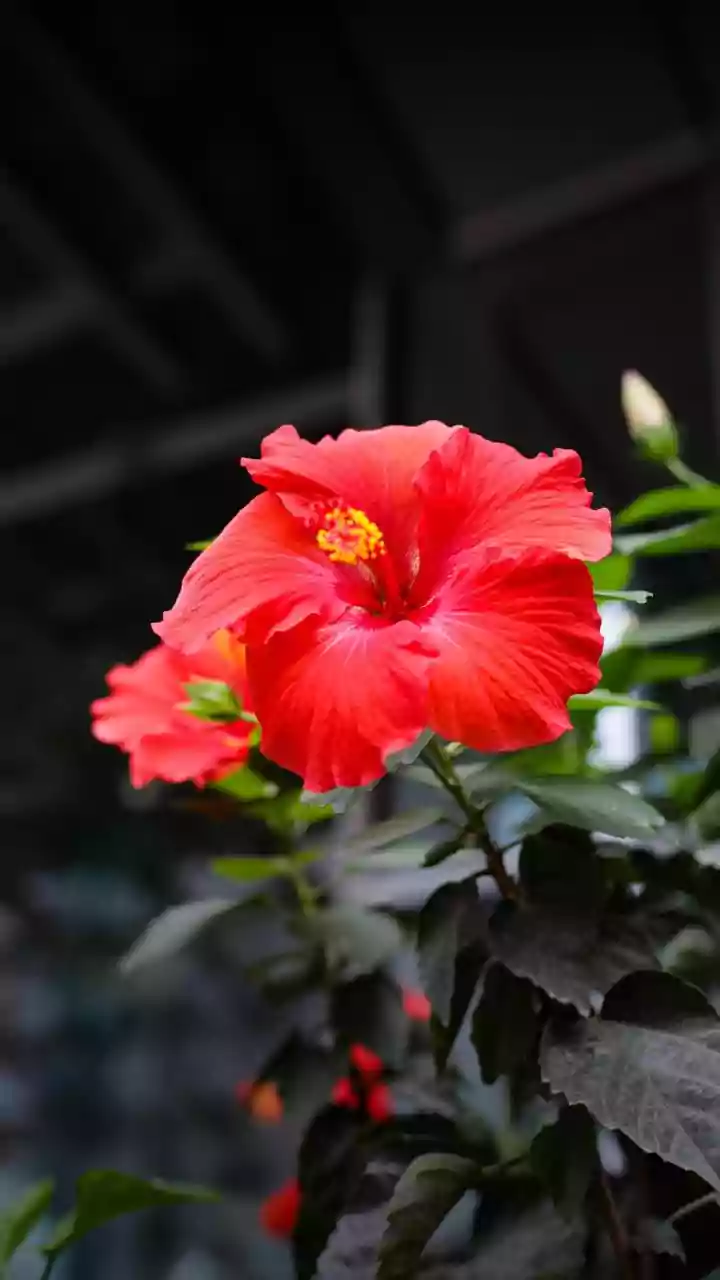
Hibiscus plants, or 'gudhal' as they are lovingly called, are known for being heavy feeders, especially when it comes to producing those spectacular, showy blossoms. They have a particular fondness for potassium, which plays a crucial role in flower and fruit development. While the potassium content in rice water isn't as high as in commercial fertilizers, a regular, gentle supply can significantly support the plant's blooming cycle. The B vitamins in rice water also help plants manage stress and encourage strong root development. Stronger roots mean the plant can absorb water and nutrients more efficiently, leading to healthier foliage and, consequently, a better foundation for producing abundant flowers. Think of it less as a powerful one-time steroid and more as a healthy, consistent dietary supplement for your plant.
Your Step-by-Step Guide
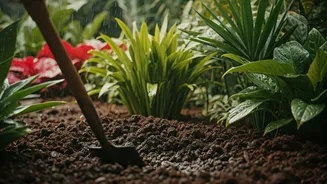
Ready to give your hibiscus a treat? The process is incredibly simple. 1. Collect the Water: You can use the water from rinsing uncooked rice or the water left after boiling it. The key is that it must be unsalted. Salt is detrimental to most plants, including hibiscus, as it can dehydrate the roots and disrupt nutrient uptake. 2. Dilute, Dilute, Dilute: This is the most critical step. Concentrated rice water, especially from boiled rice, can be too starchy. This can create a waterproof layer on the soil or attract pests. A good rule of thumb is to dilute the rice water with plain water at a 1:1 ratio. If you're using water from just a quick rinse, less dilution may be needed. 3. Apply to the Soil: Pour the diluted rice water directly onto the soil around the base of your hibiscus plant, avoiding the leaves. Use it as you would a normal watering session. There's no need to drench the plant excessively. How often? Once a week or once every two weeks is a good starting point. Observe your plant and adjust as needed.
Fermented vs. Plain Rice Water
To take this hack to the next level, you can ferment the rice water. Fermentation makes the nutrients even more bioavailable and introduces beneficial microorganisms, similar to a probiotic for your soil. To do this, simply leave the collected rice water in a loosely covered jar for 24 to 48 hours at room temperature. It will develop a slightly sour smell, which is a sign that fermentation is working. Once fermented, it's even more important to dilute it (at least 1:1, maybe more) before use. While more potent, fermented rice water has a stronger odour and needs to be used with more care, as its lower pH can alter the soil acidity over time if used too frequently. For beginners, sticking to plain, diluted rice water is a safe and effective start.
Important Cautions and Tips
While rice water is a fantastic natural tool, a few precautions will ensure you're helping, not harming, your plants. * No Salt, No Spices: Never use water from rice that was cooked with salt, oil, or any other seasonings. * Moderation is Key: Over-watering with rice water can lead to root rot or create a starchy crust that invites fungal growth and pests like fungus gnats. Treat it as a supplement, not a replacement for plain water. * Watch Your Plant: Pay attention to how your hibiscus responds. If you notice any yellowing leaves, mould on the soil, or an increase in pests, reduce the frequency or stop using it for a while. Every garden environment is different. * Storage: Use the collected rice water within a day or two, or ferment it. Storing it for too long can lead to spoilage and harmful bacteria.