





What Exactly Is the Hidden Lotus Pose?
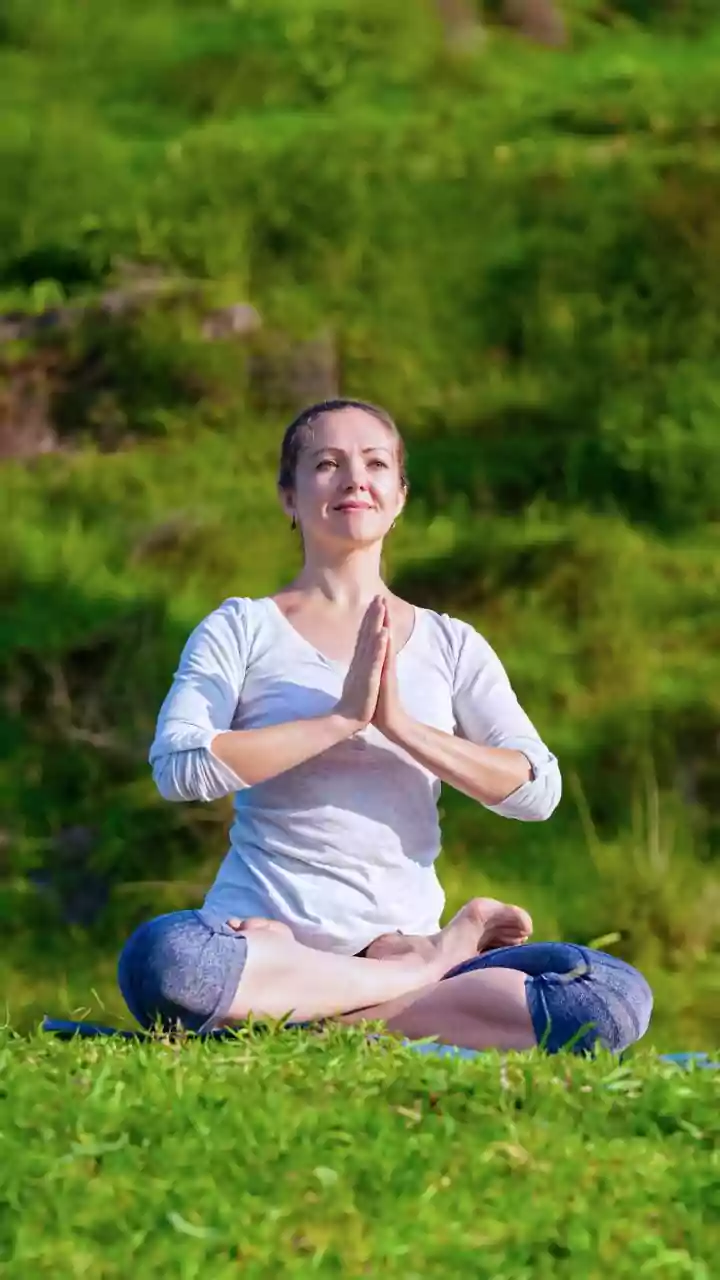
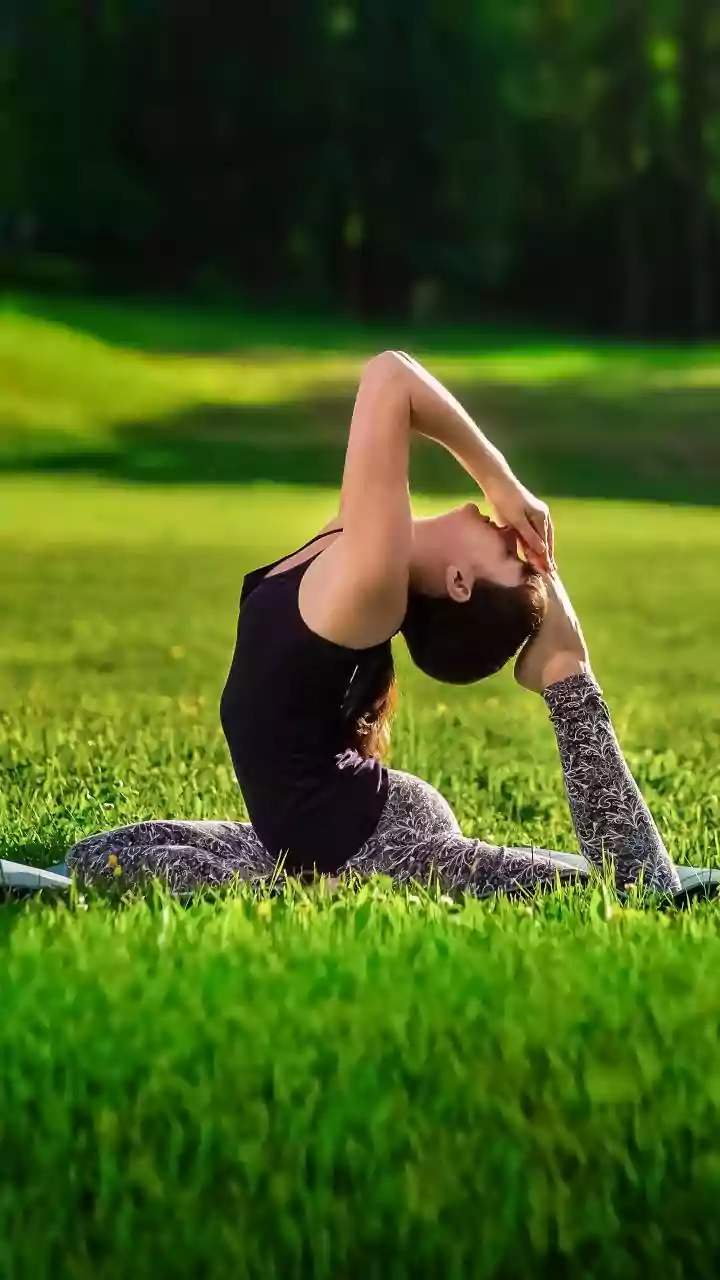
Gupta Padmasana, which translates from Sanskrit to 'Hidden Lotus Pose', is an advanced variation of the classic Padmasana (Lotus Pose). It involves sitting in full Lotus, with both feet crossed and resting on the opposite thighs, and then folding the entire
torso forward until the body lies flat against the floor. The legs in their lotus formation are 'hidden' beneath the body, which gives the pose its name. In some variations, the arms are brought behind the back in a prayer position. This posture demands an exceptional level of flexibility, particularly in the hips, knees, and ankles, combined with core strength and spinal mobility.
Why This Isn't Your Average Daily Stretch
Unlike foundational yoga poses that are accessible to most, Gupta Padmasana is considered an advanced asana that requires significant preparation. The primary reason lies in the intense external rotation of the hips needed to even get into the full Lotus position safely. Forcing this can place tremendous strain on the knee and ankle joints, which are not designed for that kind of torsional stress. From there, the forward fold adds another layer of difficulty, demanding a flexible spine and the ability to breathe comfortably while in a prone, compressed position. Figures like Shilpa Shetty have dedicated years to developing the strength and mobility to perform such poses. For the average person, attempting it without a solid foundation risks injury.
The Benefits for an Experienced Yogi
For those who can perform it safely, the Hidden Lotus Pose offers profound benefits. It provides an intense stretch for the hips, pelvis, knees, and ankles. The forward-fold aspect helps to lengthen the spine, and when the arms are bound behind the back, it creates a deep opening across the chest and shoulders—areas that often become tight from prolonged sitting. On a subtler level, the pose is considered highly meditative. The act of folding inward symbolises a withdrawal from external distractions, promoting a sense of calm, stability, and mental focus. It encourages deep, conscious breathing and can have a soothing effect on the nervous system.
The Real Risks of Pushing Too Far
The danger of advanced yoga postures, including variations of the Lotus Pose, is well-documented. The most common injuries are strains and sprains affecting the knees, hips, and lower back. When the hips lack the necessary external rotation for Padmasana, the knee joint often compensates, leading to potential ligament tears or cartilage damage. Pain is a clear signal from your body to stop immediately. Pushing through discomfort in the pursuit of a 'perfect' pose is counterproductive and can lead to long-term joint issues. It's crucial to understand that yoga is a personal practice, not a competition.
Building Your Foundation: How to Prepare Safely
Instead of aiming for Gupta Padmasana right away, focus on the building blocks. A safe and sustainable practice is built progressively. Start by mastering preparatory poses that gradually open the hips and improve flexibility in the lower body. Some excellent foundational asanas include: - Sukhasana (Easy Pose): Simply sitting cross-legged helps to begin the process of hip opening. - Baddha Konasana (Bound Angle Pose): This directly targets the inner thighs and groin, improving hip flexibility. - Janu Sirsasana (Head-to-Knee Forward Bend): This pose stretches the hamstrings, hips, and spine. - Ardha Padmasana (Half Lotus Pose): Before attempting the full Lotus, getting comfortable with one foot on the opposite thigh is a critical step. Working with a qualified yoga instructor can provide personalised guidance and ensure you are practising with the correct alignment to prevent injury.