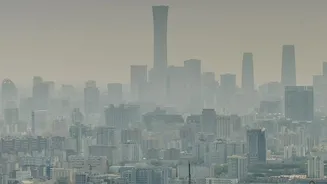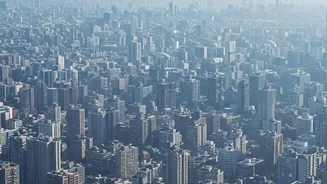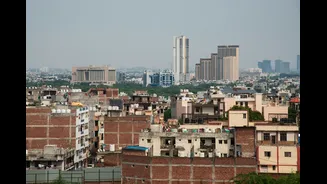





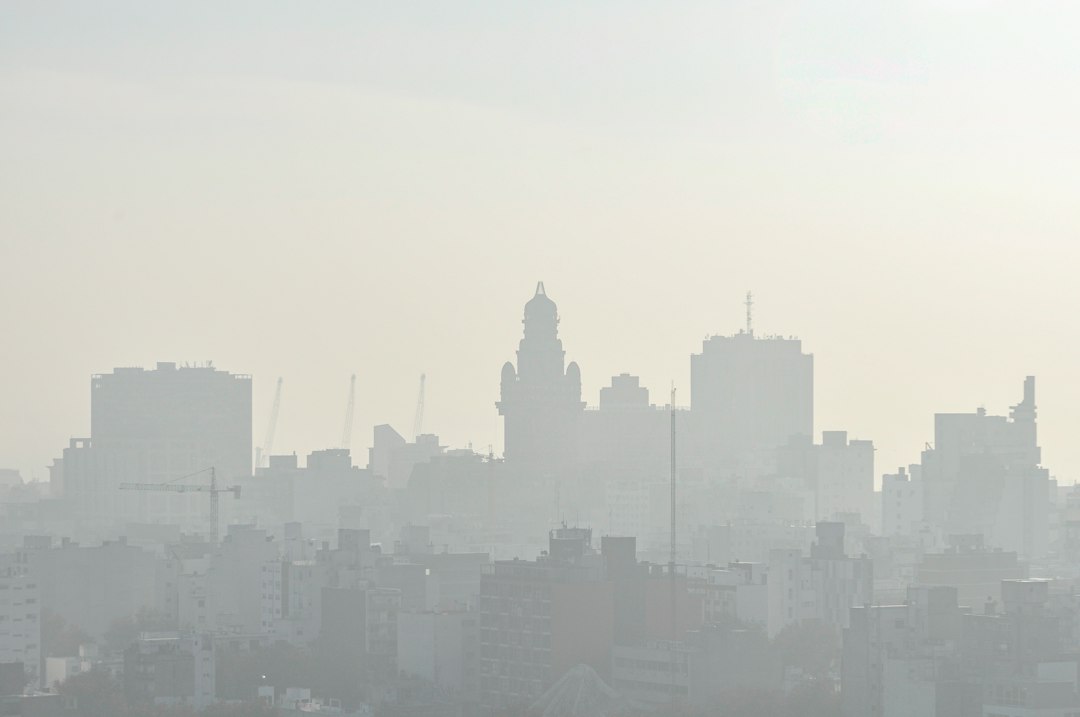

When the air outside turns into a thick, soupy smog, the first instinct is to shut all windows and doors. This is a crucial first step, but is it the fortress you believe it to be? The surprising answer is no. Let's break it down.
Why Closing Windows Helps, But Isn't Enough
Shutting your windows
is a logical and necessary reaction to a high Air Quality Index (AQI). It provides a barrier that significantly reduces the amount of larger dust particles and some pollutants from entering your home. However, it doesn't create an impenetrable seal. The most dangerous culprit in smog, PM2.5, consists of fine particulate matter smaller than 2.5 micrometres. For comparison, a human hair is about 70 micrometres wide. These tiny particles can easily infiltrate your home through small cracks and gaps in window frames, door seals, and ventilation shafts. Studies show that even with windows closed, indoor PM2.5 levels can be 55-60% of the outdoor concentration, meaning you're still breathing in a significant amount of harmful air.
The Dangers of The Sealed Box
In an attempt to keep outdoor pollution at bay, you might inadvertently create another problem: a sealed box that traps indoor pollutants. The air inside your home isn't just affected by the outside; it's also compromised by sources within. Daily activities common in Indian households, such as cooking with gas stoves, frying masalas, and burning incense or diyas, are major generators of indoor PM2.5 and other harmful compounds. Without any ventilation, these pollutants, along with volatile organic compounds (VOCs) from furniture, paint, and cleaning products, accumulate to dangerous levels. Furthermore, as you breathe in a sealed room, carbon dioxide (CO2) levels rise, which can lead to headaches, fatigue, and reduced concentration, a phenomenon sometimes called 'sick building syndrome'.
Enter the Air Purifier: Your Strongest Ally
This is where technology offers a critical solution. A high-quality air purifier is not a luxury but a necessity during smog season. Look for purifiers with High-Efficiency Particulate Air (HEPA) filters. These are designed to capture 99.97% of particles as small as 0.3 microns, which includes PM2.5, dust, pollen, and mould spores. For maximum effectiveness, the purifier must be correctly sized for your room and run continuously, especially in bedrooms where you spend a long, uninterrupted stretch of time. Some studies have shown that a good purifier can reduce indoor PM2.5 concentrations by over 50% in under an hour, creating a genuine safe-air zone inside your home.
The Art of Strategic Ventilation
While keeping windows sealed during peak pollution is vital, your home does need to breathe. Trapped moisture can lead to mould, and CO2 buildup affects well-being. The key is 'strategic ventilation'. Monitor the AQI throughout the day using a reliable app or website. You might find a window of a few hours, often in the mid_afternoon, when pollution levels dip. Use this opportunity for 'shock ventilation': open windows on opposite sides of the house for 10_15 minutes to create a cross_draft and flush out stale indoor air. This quick exchange can significantly reduce CO2 and other indoor pollutants without letting in too much outdoor smog. Once done, close the windows and turn your air purifier back on high for a while.
Additional Steps for a Cleaner Indoors
Beyond purifiers and timed ventilation, a few extra steps can bolster your defences. Use weatherstripping or caulk to seal any visible gaps around window and door frames. When cooking, always use your kitchen's exhaust fan or chimney on high to vent fumes outside. Reduce the use of incense, candles, and aerosol sprays, as these are significant sources of indoor pollution. Regular cleaning with a damp cloth and vacuuming with a HEPA -filter vacuum can also help manage dust and allergens that have settled on surfaces. While often touted as a solution, remember that indoor plants have a negligible effect on PM2.'5'' and cannot replace mechanical filtration.