







The First Look: Packaging and Temperature
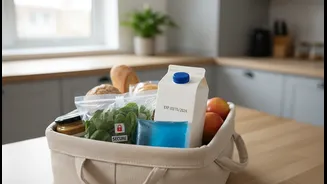
Your inspection should begin the moment the delivery arrives at your door. Before you even touch the food, take a close look at the overall condition of the delivery. Is the packaging intact? Torn bags, crushed boxes, or leaking containers are immediate
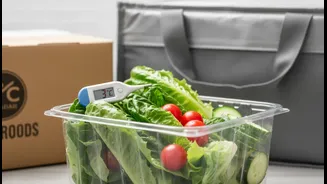
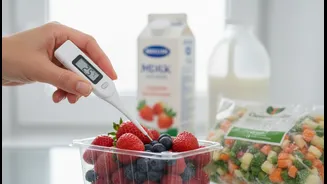
red flags and can indicate mishandling or contamination. For perishable items like dairy and frozen goods, temperature is non-negotiable. These items should feel cold to the touch. Ideally, they should be transported in insulated bags. If your milk, yogurt, or frozen peas arrive at room temperature, their safety has been compromised. A key concern with online deliveries is the 'last mile' of the journey. Even if the store maintained proper temperatures, a long trip in a standard delivery bag on a hot day can expose food to the temperature 'danger zone' where bacteria multiply rapidly. Don't hesitate to feel the packages before the delivery person leaves.
Inspecting Fresh Fruits and Vegetables
When it comes to produce, your senses are your best tools. First, use your eyes. Look for obvious signs of spoilage like mold, significant bruising, or discoloration. While a small blemish can be cut away, widespread softness or dark spots suggest the produce is past its prime. Next, feel the fruit or vegetable. It should feel firm and heavy for its size, which often indicates juiciness and freshness. A mushy texture is a clear sign of decay. Your nose can also tell you a lot. Fresh fruit should have a light, pleasant aroma or smell of almost nothing. A sour, fermented, or vinegary smell indicates it has started to spoil. Packaged greens should be crisp, not slimy or wilted. Remember to wash all produce thoroughly under running water before consumption, even if it looks clean, to remove any surface contaminants from handling and transit.
Dairy Dos and Don'ts
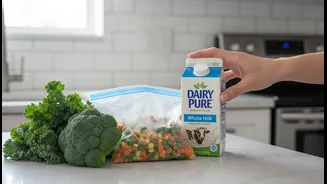
Dairy products are particularly sensitive and require careful inspection. The first and most crucial check is the expiry date. Never accept any dairy product that is past its 'best before' or 'use by' date. Next, examine the packaging integrity. For items like milk, buttermilk, or curd, check that the seal is completely intact. Any signs of leakage or puffiness in the carton or pouch can indicate bacterial growth, which produces gas. Paneer should be soft and white, not yellowish or hard, and should have a fresh, mild smell. If you receive yogurt or cheese, ensure the container isn't bloated and the lid is securely sealed. Any unusual sour smell or discoloration means the product has spoiled and should be rejected immediately. When you open it, there shouldn't be any mold. Like all perishables, dairy must be delivered cold.
The Frozen Food Checklist
The single most important rule for frozen food is that it must arrive frozen solid. If a product feels soft, slushy, or partially thawed, it has not been kept at the correct temperature and should be rejected. This is not just a matter of quality but of safety. When frozen food thaws, bacteria can begin to multiply. Refreezing it doesn't kill this bacteria. Look for signs that the product may have thawed and been refrozen. Large ice crystals inside the packaging are a major warning sign. This happens when moisture from the thawed food refreezes. Other indicators include packaging with fluid stains, or items that are frozen together in a solid block when they should be separate, like individual peas or prawns. Damaged or torn packaging can also compromise frozen food, leading to freezer burn and potential contamination.
When to Reject a Delivery
Being a vigilant consumer means knowing when to say no. You have the right to reject items that don't meet basic safety standards. You should reject a delivery or specific items if you notice any of the following: torn, leaking, or damaged packaging; signs of tampering like broken seals; dairy or frozen foods that are not cold; frozen items that are thawed or show signs of refreezing (like large ice crystals); produce that is moldy, slimy, or has a foul odor; or any products that are past their expiration date. Recently, the Food Safety and Standards Authority of India (FSSAI) has encouraged consumers to be active participants in ensuring food quality. Reporting issues not only protects you but also helps improve the system for everyone. You can use platforms like FSSAI's 'Food Safety Connect' app to report concerns about unsafe food practices.