

A Treasure Map for the Artemis Generation
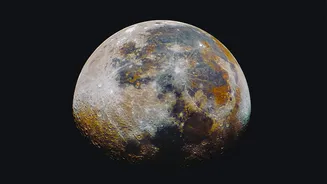
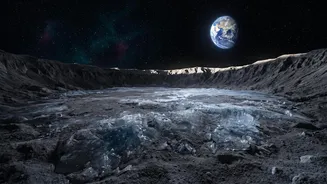
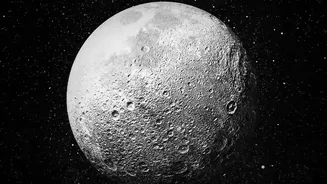
For decades, scientists have known that water exists on the Moon, primarily as ice locked away in permanently shadowed craters at the poles. Previous missions provided tantalizing hints and low-resolution confirmations. However, the latest findings, representing
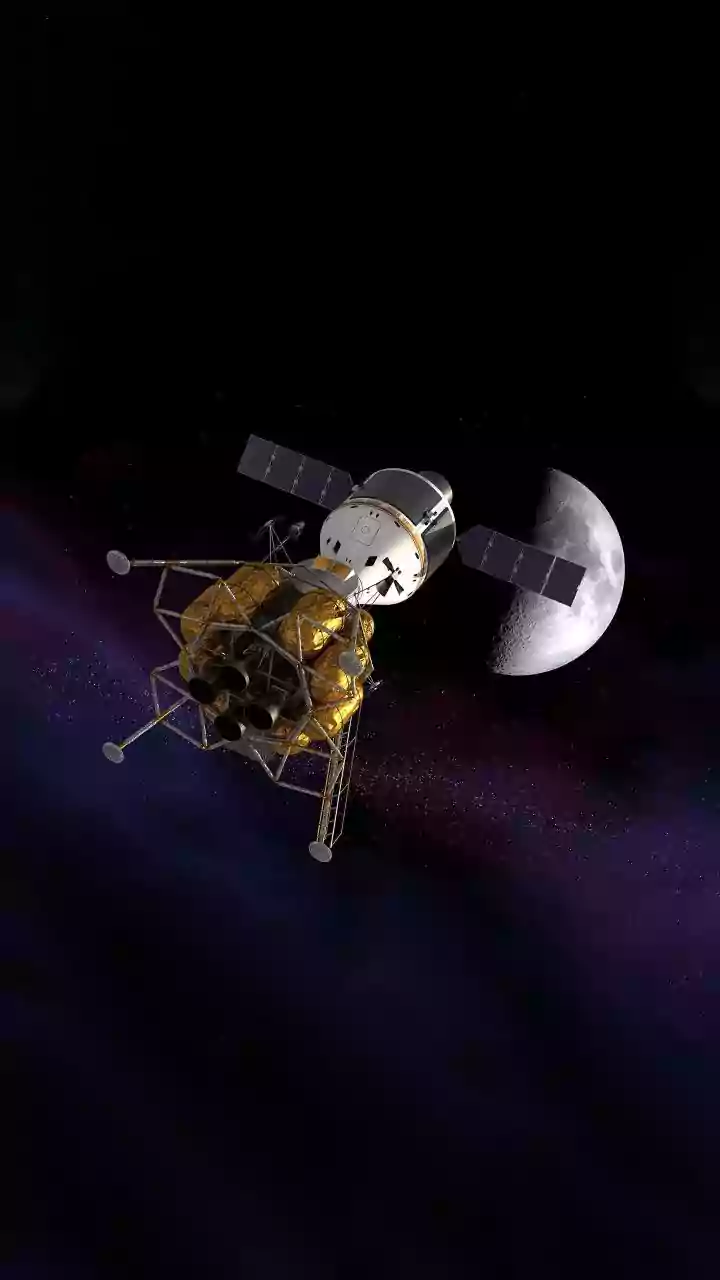
a significant analytical breakthrough, offer unprecedented detail. These are not just blurry blobs on a map; they are high-fidelity guides showing the location, concentration, and potential form of water ice deposits, distinguishing them from other materials. This new level of clarity is critical for planning future missions, particularly NASA's Artemis program, which aims to land astronauts near the lunar south pole no earlier than 2026. Instead of landing and hoping to find resources, future missions can now target specific, high-potential sites identified by these maps.
How New Sensors Are Peering into the Dark
The breakthrough comes from a new generation of sensors and analytical techniques. While specific sensor names remain part of proprietary mission data, the principle involves combining high-resolution infrared spectrometry with advanced radar. These instruments can distinguish the unique signature of water ice from hydroxyl, a related molecule that is more widespread but less useful. Furthermore, some of the newest methods don't even require direct observation. A recent study published in August 2026 proposed using seismic waves from moonquakes to map subsurface ice deposits hundreds of metres deep. This seismic data, combined with orbital observations, creates a three-dimensional view of potential reserves. It allows scientists to look beyond the surface and identify larger, more stable deposits of ice that have been preserved for billions of years.
Water: The Oil of the Solar System
Why is this so important? On Earth, water is everywhere. In space, it is arguably the most valuable resource. The cost of launching materials from Earth is immense, so the ability to source water locally—a practice known as in-situ resource utilization (ISRU)—is a game-changer. Lunar water can be purified for drinking and growing food. More importantly, it can be split into its component elements, hydrogen and oxygen, through electrolysis. This provides breathable air for astronauts and, crucially, the two primary components of rocket propellant. A Moon with accessible water is not just a place to visit; it’s a refueling station. This could dramatically reduce the cost of missions to Mars and beyond, making the Moon a critical stepping stone for exploring the rest of the solar system.
Fueling a New Lunar Economy
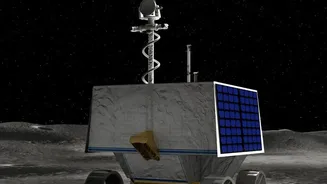
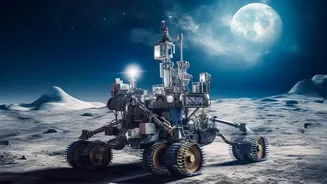
The confirmation of accessible water ice reserves is already accelerating a new commercial space race. Several companies have emerged with business models centered on mining and processing lunar water. These firms envision selling oxygen and rocket fuel to government agencies like NASA and other private ventures. Lockheed Martin has unveiled a vision for a lunar economy centered on water ice utilization. The detailed maps de-risk these ambitious plans significantly, providing the geological certainty needed to attract investment and develop the specialized hardware for extraction. This includes rovers designed to operate in extreme cold, drills capable of penetrating frozen regolith, and mobile processing plants that can perform electrolysis on-site. A regulatory framework, dubbed a 'Lunar Mining Code,' has even been proposed to manage future claims and ensure sustainable practices.
What Happens Next?
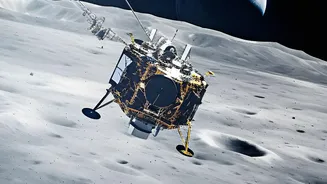
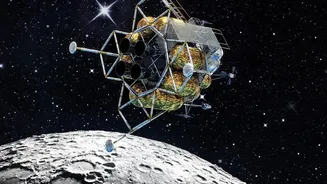
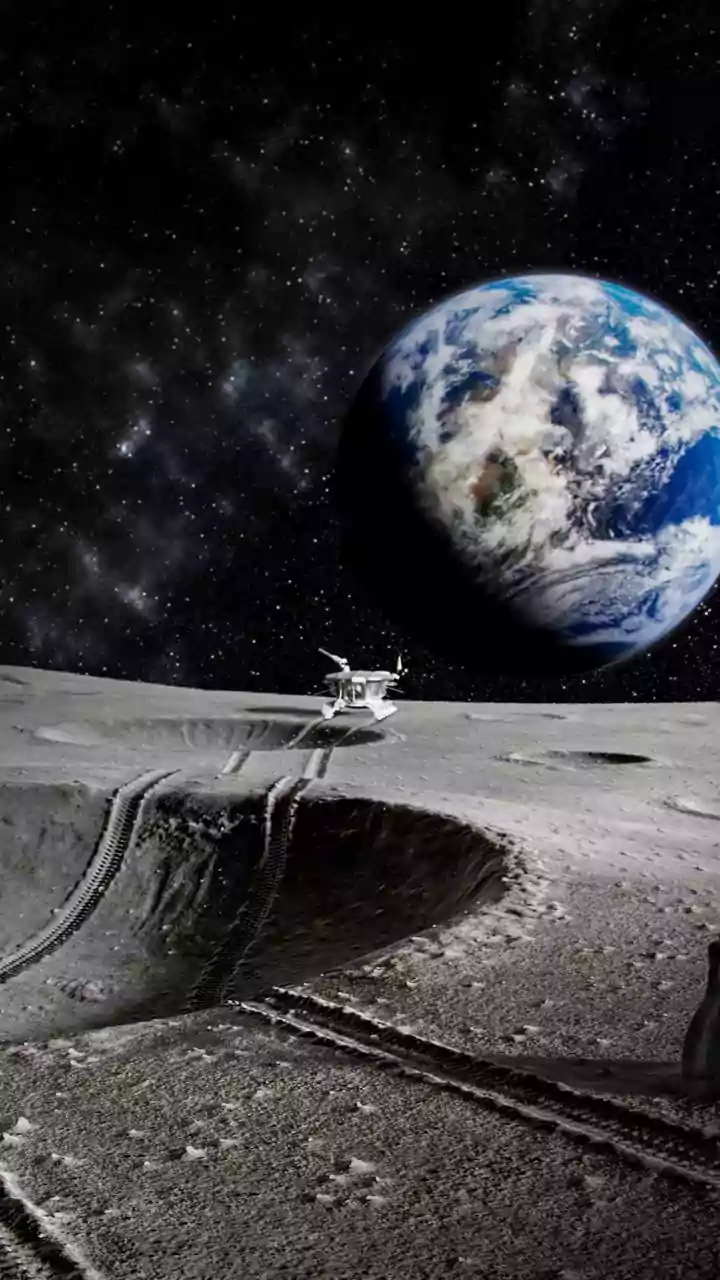
These maps are a plan, not a final confirmation. The next critical step is ground-truthing. Upcoming robotic missions, including landers and rovers from both national space agencies and commercial partners, will be sent to the most promising locations identified in the new maps. Missions like the European Space Agency's Prospect drill, planned for 2027, are designed specifically to drill into the surface, extract samples, and analyze their composition. China’s Chang'e-7 mission, also expected to land near the south pole in late 2026, will carry a seismometer that could test new prospecting methods. The data gathered by these surface missions will verify the orbital findings and provide the final go-ahead for selecting landing sites for the first human crews of the Artemis era, who will be tasked with turning these icy reserves into usable assets.