








Understanding Chrononutrition
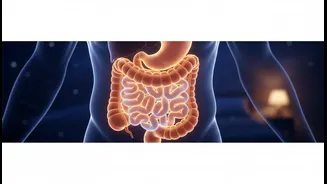
Chrononutrition is based on the science of circadian rhythms, your body's 24-hour internal clock that governs everything from your sleep-wake cycle to hormone production and digestion. The core principle is to eat in harmony with these natural cycles.
This means consuming food when your body is most prepared to process it and fasting when it's programmed for rest and repair. Research suggests that misaligning our eating patterns with our internal clock, such as by eating late at night, can disrupt metabolic processes and contribute to health issues over time.
The Power of a Midday Meal
The midday chrononutrition model champions lunch as the day's largest meal. This is because your metabolism and insulin sensitivity are typically at their peak around noon. Eating a substantial, nutrient-dense meal at this time provides your body with the fuel it needs for the most active part of your day, when it can burn calories most efficiently. Studies have shown that front-loading your calories earlier in the day can lead to better weight management and improved metabolic health markers compared to eating the largest meal in the evening, even when total daily calorie intake is the same.
Structuring Your New Meal Plan
Adopting this eating style involves rebalancing your three main meals. Breakfast should be substantial but not overly heavy, focusing on protein and healthy fats to stabilize blood sugar and provide sustained energy. Think eggs, Greek yoghurt, or a protein smoothie. Lunch becomes the main event—a large, balanced plate with quality protein, complex carbohydrates, and plenty of vegetables. Dinner, in contrast, should be the lightest meal of the day, consumed at least three hours before bedtime to allow for proper digestion and support better sleep quality. A simple soup, grilled fish with vegetables, or a salad with a light protein are excellent choices for the evening.
A Sample Midday-Focused Plan
To visualize this shift, consider a sample day. Breakfast (around 8 a.m.) might be two poached eggs with avocado and a slice of whole-grain toast. Lunch (around 1 p.m.) could be your largest meal: a grilled chicken breast, a generous portion of quinoa, and a large mixed-greens salad. An optional afternoon snack around 4 p.m., like fruit and a handful of nuts, can help bridge the gap. Dinner (around 6:30 or 7 p.m.) would be light, such as a bowl of lentil soup or baked fish with steamed asparagus. This structure provides a steady release of energy without overburdening your digestive system at night.
Tips for a Smooth Transition
Shifting your eating patterns can take time, so it's best to start gradually. You might begin by simply making your lunch slightly larger and your dinner a bit smaller, adjusting over a week or two. Meal prepping can be a huge help; having a satisfying lunch ready to go makes it easier to avoid grabbing a less-fulfilling option. Consistency is also key—try to eat your meals at roughly the same times each day to help regulate your body's internal clock. Finally, listen to your body. Pay attention to your energy levels and hunger cues, and don't be afraid to adjust portion sizes to find what works best for you.