







What Is a Planetary Alignment?
First, let's clear up a common misconception. A planetary alignment, or conjunction, isn't when planets form a perfectly straight line in space. That's an incredibly rare event that we won't see from Earth. Instead, an alignment is an optical phenomenon.
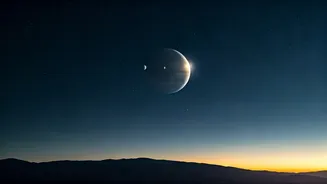
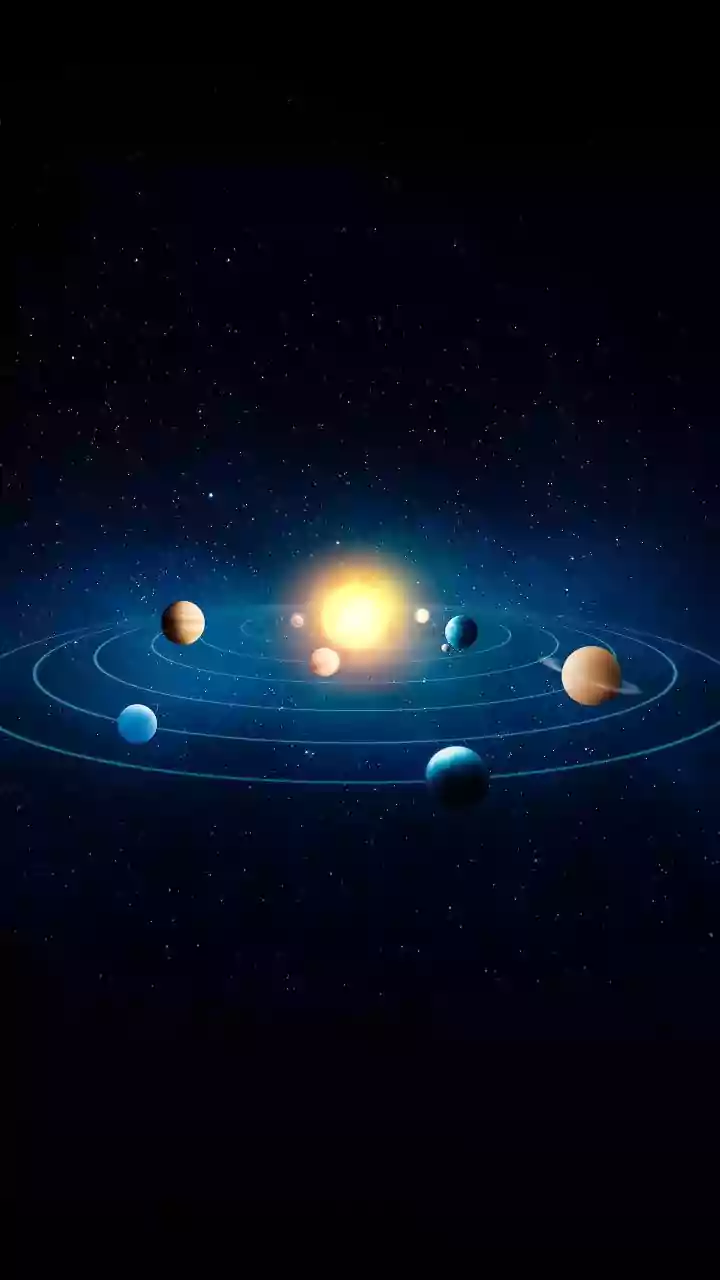
From our vantage point on Earth, several planets appear close together in a small patch of sky. Think of it like seeing two distant mountains appear side-by-side, even though they might be many kilometres apart. In this case, Mercury, Venus, and Jupiter are on roughly the same side of the Sun as Earth, making them visible in the same direction after sunset. Their orbits bring them into this beautiful, temporary cluster from our perspective.
Meet the Celestial Dancers
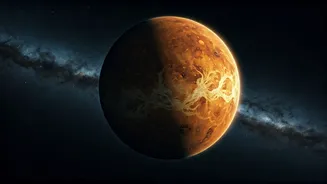
The three stars of this show are all fascinating worlds. Venus, often called the “Evening Star,” will be the brightest of the trio, shining with a brilliant, steady light. It’s impossible to miss. Jupiter, the largest planet in our solar system, will appear as a very bright, star-like object, second only to Venus in brightness. The real prize for many observers will be Mercury. As the planet closest to the Sun, it’s often lost in the solar glare and is notoriously difficult to spot. This alignment provides a golden opportunity to see it, as the bright beacons of Venus and Jupiter act as celestial signposts, guiding your eyes to its location. Seeing all three together is a genuine treat.
Why Is It a 'Dance'?
The term “dance” is a perfect description because this isn't a static event. If you observe the planets over several consecutive evenings, you'll notice their positions change relative to each other. This apparent motion is due to the different speeds at which the planets (and Earth) orbit the Sun. Mercury, being the fastest, will seem to zip across the celestial stage, while Venus and Jupiter move more slowly. One night they might form a tight triangle; a few nights later, the formation will have stretched or shifted. This dynamic, nightly change is what makes it feel like a graceful cosmic dance, a performance that evolves with each viewing.
How to Watch From India
This is the best part: you don't need any special equipment. The key is timing and location. The alignment is visible shortly after sunset. Your best window is about 30 to 75 minutes after the Sun has disappeared below the horizon. Look towards the western sky, the same direction where the Sun just set. The planets will be very low, so an unobstructed view of the horizon is crucial. People in coastal cities like Mumbai or Chennai will have a great advantage with clear views over the sea. If you're inland, find a park, a rooftop, or a field that isn't blocked by tall buildings or trees. The twilight glow will still be in the sky, which actually helps, as the planets will pop out against the deepening blue.
Tips for the Best View
To maximise your experience, follow a few simple steps. First, get away from bright city lights if you can. Light pollution washes out fainter objects, and while Venus and Jupiter are bright, a darker sky will make the whole scene more dramatic and help you spot Mercury. Second, give your eyes time to adapt to the dark—at least 15 minutes. Put your phone away. Third, while you can see the planets with your naked eye, a pair of binoculars will enhance the view significantly. With binoculars, you might even be able to glimpse Jupiter’s four largest moons—Io, Europa, Ganymede, and Callisto—appearing as tiny pinpricks of light flanking the giant planet. Finally, be patient. Mercury can be faint and tricky, but this alignment makes it easier than ever to find.