



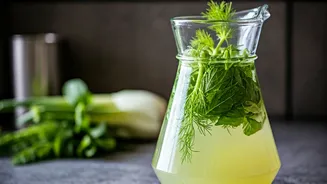



Why Bloating Peaks During Seasonal Changes
That tight, puffy feeling in your abdomen, commonly known as bloating, often gets worse during festive periods or significant weather shifts. The reasons are multifaceted. Our diets change drastically; we indulge in heavier, richer, and often fried or sugary
foods that are harder to digest. Routines are disrupted, leading to irregular meal times and less physical activity. This combination can slow down our digestive system, leading to a build-up of gas in the gastrointestinal tract. This isn't just about discomfort; it can make you feel lethargic and sluggish, dampening the festive spirit. The key to managing it often lies not in complex solutions but in supporting our body’s natural digestive processes.
The Digestive Power of Cumin (Jeera)
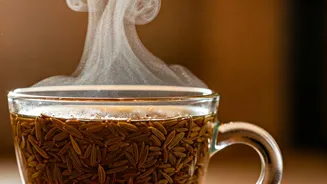
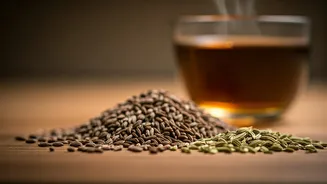
Cumin, or jeera, is more than just a staple tadka ingredient; it's a digestive powerhouse. For centuries, Ayurveda has revered jeera for its carminative properties, meaning it helps prevent the formation of gas or facilitates its expulsion. The magic lies in a compound called thymol, which stimulates the glands that secrete digestive enzymes, acids, and bile. This enhanced secretion helps ensure a more complete and efficient breakdown of food. When you drink warm jeera water, you are essentially giving your digestive system a gentle nudge to work better. It helps move food along the digestive tract smoothly, reducing the chances of fermentation and gas build-up that cause that uncomfortable bloated feeling.
The Soothing Magic of Fennel (Saunf)
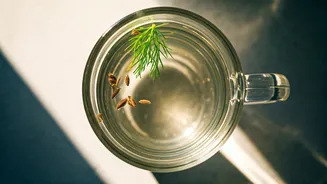
There's a reason many Indian restaurants offer a small bowl of fennel seeds (saunf) after a meal. Like cumin, fennel is a celebrated digestive aid, but it works in a slightly different way. Fennel seeds contain anethole, a compound that has anti-inflammatory and antispasmodic properties. This means it can help relax the smooth muscles of the stomach and intestines. This relaxation eases the cramping and discomfort associated with indigestion and bloating. Furthermore, fennel helps increase the production of gastric juices, further aiding digestion. A warm cup of fennel tea acts as a gentle, soothing tonic for an overworked gut, helping to calm irritation and release trapped gas.
How to Brew Your Bloat-Busting Teas
Preparing these teas is incredibly simple. You don't need any special equipment—just a saucepan, water, and the spices.
For Cumin (Jeera) Tea:
1. Add 1 teaspoon of whole cumin seeds to 1.5 cups of water in a small pot.
2. Bring the water to a boil, then reduce the heat and let it simmer for about 5-7 minutes. You’ll notice the water turning a pale golden-brown colour.
3. Strain the tea into a cup. You can add a pinch of black salt (kala namak) for taste and extra digestive benefits if you like.
For Fennel (Saunf) Tea:
1. Lightly crush 1 teaspoon of fennel seeds to help release their essential oils.
2. Add the crushed seeds to 1.5 cups of boiling water. You can either boil them for 3-5 minutes or simply pour boiling water over them and let them steep, covered, for 10 minutes.
3. Strain and serve warm. A tiny sliver of ginger can be added while boiling for an extra digestive kick.
When and How to Drink for Best Results
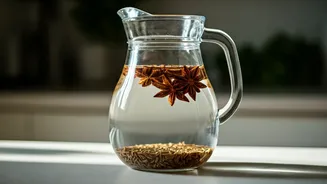
Timing can enhance the effectiveness of these herbal infusions. For general digestive maintenance, especially during a period of heavy eating, drinking a cup of jeera water first thing in the morning on an empty stomach can help kick-start your metabolism and digestive system for the day. To tackle post-meal bloating specifically, a warm cup of fennel tea about 20-30 minutes after a large meal is ideal. Its muscle-relaxing properties can provide almost immediate relief from that 'stuffed' sensation. You can also make a combined tea by boiling half a teaspoon of each spice together. The key is consistency. A single cup may help, but incorporating these teas into your daily routine during heavy seasons will yield the best results.