

The New Engines of Growth
For years, the online food delivery narrative in India was dominated by metros. But as major markets approach saturation, the real growth story has shifted to Tier-2 and Tier-3 cities. Platforms like Zomato and Swiggy are aggressively expanding into these
regions, where a combination of rising disposable incomes, increased smartphone penetration, and a growing desire for convenience has created a massive, untapped market. Reports from 2026 indicate that transaction volumes in smaller cities have tripled over the last five years, positioning them as the new engine for the industry. This surge is not just about adding new users; it's about changing daily habits, as ordering in becomes a mainstream activity rather than an occasional treat.
Why Not All Food Travels Well
The rapid pivot to a delivery-first model comes with a significant challenge: not every dish is created equal when it comes to travel. A beautifully plated dish in a restaurant can become a soggy, lukewarm mess after a 30-minute bike ride. Delicate items like crispy dosas, elaborately garnished soups, or foods with complex textures often fail the delivery test. The temperature changes, steam builds up in containers, and the jostling of the journey can degrade the quality that a chef worked hard to create. This has forced restaurateurs to confront a difficult question: should they risk their reputation on a dish that won't taste as intended, or should they remove it from their delivery menu altogether?
The Art of the Delivery-First Menu
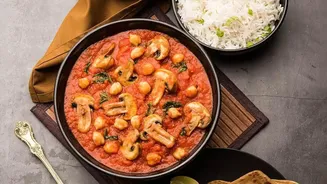
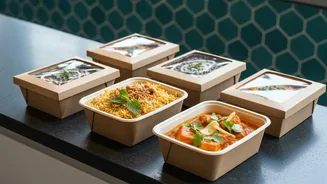
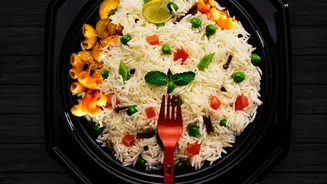
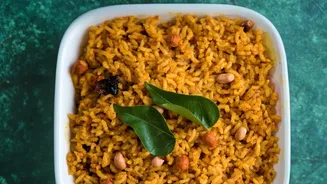
In response, a new discipline is emerging: menu engineering for delivery. This is more than just picking dishes that travel well; it's a strategic overhaul of a restaurant's offerings. Restaurateurs are now focusing on items with high durability and high profit margins. Think bowl meals, biryanis, sturdy curries, and wraps—dishes that can retain heat and texture. Many are creating simplified menus specifically for delivery platforms, sometimes even launching separate, delivery-only brands from the same kitchen. The goal is to reduce preparation time, minimise potential for errors, and ensure a consistent, positive customer experience from a kitchen they have never visited. It also involves investing in better, specialised packaging that can vent steam, separate components, and protect the integrity of the food.
Cloud Kitchens Pave the Way
This trend is closely linked to the explosion of cloud kitchens, or delivery-only restaurants with no physical dine-in space. These establishments are built from the ground up for delivery efficiency. Their entire model is based on creating menus that are easy to produce at scale and optimised for travel. Traditional restaurants in Tier-2 cities are now learning from the cloud kitchen playbook. By adopting similar strategies—like sharing ingredients across multiple delivery-only brands to reduce waste or focusing on a narrow range of high-demand items—they can compete more effectively in the digital marketplace. The rise of cloud kitchens has shown that a successful delivery business requires a different operational mindset than a successful dine-in restaurant.
The Economic and Culinary Trade-Offs
While adapting menus is crucial for survival, it comes with trade-offs. The high commissions charged by delivery platforms, often between 18-30%, squeeze already thin profit margins. This pressure can lead restaurants to remove lower-margin, but much-loved, traditional dishes in favour of more profitable, easily produced items. There's a risk that as restaurants streamline their menus for logistical efficiency, a certain degree of culinary diversity and uniqueness could be lost. Customers may find their favourite complex or authentic dish is no longer available for delivery. Restaurants are in a constant battle to balance the visibility and volume that apps provide with the high costs and loss of control that come with it.