




The modern office job often means sitting for hours, a reality that poses significant health risks. But you don't need a complete overhaul of your routine. These simple modifications can integrate movement back into your workday, naturally.
1. Adopt a Sit-Stand Desk
The most direct
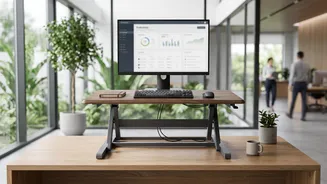
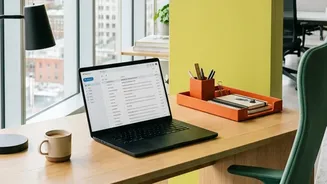
way to combat a sedentary workday is to get on your feet. A height-adjustable or standing desk allows you to alternate between sitting and standing, which is key. Standing burns more calories than sitting and can improve posture, mood, and energy levels. Research shows that this simple change reduces back pain and improves circulation. You don't need to stand all day; the real benefit comes from changing your position frequently. Start with 30-minute standing intervals and gradually increase the duration as your body adjusts. A desk converter is a great, cost-effective option if you don't want to replace your entire desk. This allows you to place your monitor and keyboard on a raised platform, transforming your existing setup.
2. Reimagine Your Meeting Culture
Meetings don't have to be stationary. For one-on-one conversations or small team brainstorming sessions, try a 'walking meeting'. Taking your discussion on the move, whether around the office or on a nearby outdoor path, can spark creativity and enhance collaboration. Studies have shown that walking can boost creative output significantly. A change of scenery can also make meetings feel more productive and less draining. It creates a more relaxed, informal atmosphere, encouraging open communication. If a full walking meeting isn't practical, even standing for the first or last ten minutes of a traditional meeting can help break up long periods of sitting.
3. Introduce 'Active' Seating
If you must sit, you can still be active. Consider swapping your traditional office chair for an option that encourages movement. An under-desk bike or elliptical allows you to pedal gently while you work, improving circulation and burning calories without disrupting your focus. This low-impact activity can enhance productivity and even improve your mood by releasing endorphins. Another option is a stability ball chair, which engages your core muscles to maintain balance. These subtle movements, known as 'active sitting', prevent stiffness and add a surprising amount of physical activity to your day. They are an easy way to add more movement without changing your workflow.
4. Strategically Design Your Workspace
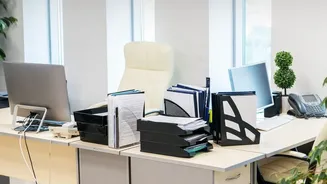
You can engineer more movement into your day through simple, intentional design choices. Instead of keeping everything within arm's reach, place frequently used items further away. Move the printer, scanner, or your water bottle to the other side of the room. This forces you to get up and walk every time you need them. Encourage taking the stairs instead of the elevator by making stairwells more inviting and visible. These small 'micro-walks' add up over the course of a day, breaking up long spells of inactivity and increasing your overall step count without requiring a dedicated break.
5. Schedule Movement Breaks
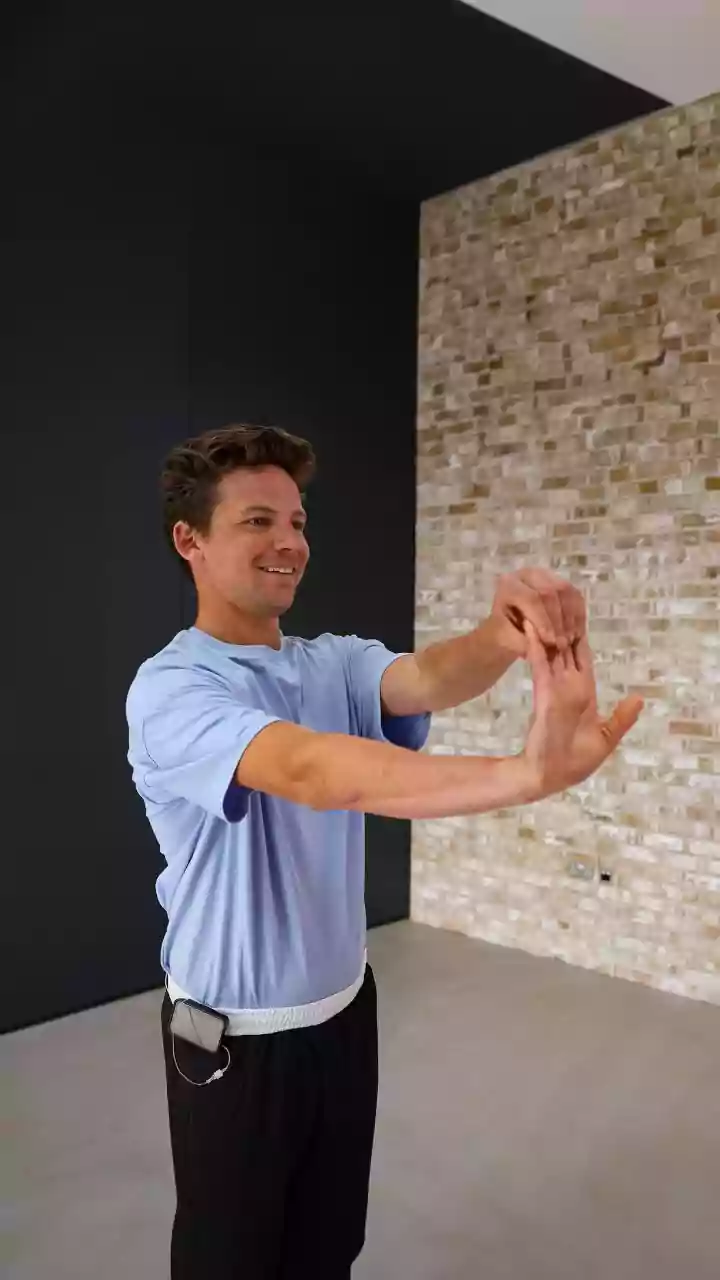
Sometimes the simplest solution is the most effective : schedule time to move . Set a recurring timer to remind yourself to stand up , stretch , and walk around for a few minutes every hour . This can be a short walk to a break room , a few simple desk exercises like shoulder rolls and calf raises , or just standing and stretching . These breaks not only help with physical stiffness but also provide a mental reset , which can improve focus and prevent afternoon slumps . Many companies are now promoting a culture of movement , so don't feel self - conscious . Leading by example can encourage your colleagues to join in , creating a healthier , more active workplace for everyone .