


The Resurgence of an Ancient Grain
Once considered a 'poor man's food' and sidelined by the Green Revolution's focus on rice and wheat, millets are experiencing a remarkable renaissance in India. Spearheaded by government initiatives and a UN-backed 'International Year of Millets', these
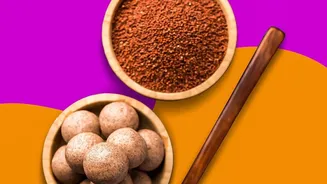
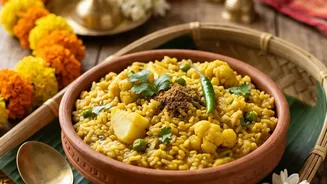
hardy grains are being rebranded from 'coarse grains' to 'nutri-cereals'. This shift isn't just about agricultural policy; it reflects a deeper change in consumer awareness. As urban Indians become more health-conscious and environmentally aware, they are rediscovering the wisdom of their ancestors. Millets like Ragi (finger millet), Jowar (sorghum), and Bajra (pearl millet), which have been part of regional diets for centuries, are now being embraced by a new generation.
A Nutritional Powerhouse for Feasting
One of the primary drivers of the millet movement is their impressive nutritional profile. Unlike refined wheat and polished rice, which can cause sharp spikes in blood sugar, most millet varieties have a low-to-medium glycemic index (GI). This means they release sugar into the bloodstream slowly, providing sustained energy without the dreaded post-snack crash. They are also packed with dietary fibre, which aids digestion and promotes a feeling of fullness, helping to prevent overindulgence. Furthermore, millets are a treasure trove of essential minerals, including magnesium, iron, and calcium, and are naturally gluten-free, making them an excellent choice for everyone at the table. Swapping traditional snacks for their millet-based counterparts means you can enjoy the festivities while nourishing your body.
Good for You, Better for the Planet
The appeal of millets extends beyond personal health to planetary well-being. These grains are champions of sustainability. Millets are remarkably climate-resilient, capable of growing in arid, less fertile soil with significantly less water than rice and wheat. For instance, producing one kilogram of rice can require up to 5,000 litres of water, while millets need only a fraction of that. Their hardiness means they require fewer chemical fertilizers and pesticides, reducing the environmental footprint of farming. By choosing millet-based snacks, consumers are not just making a healthier choice for themselves but are also supporting a more sustainable agricultural system that is crucial for India's food security in an era of climate change.
Festive Favourites with a Millet Makeover
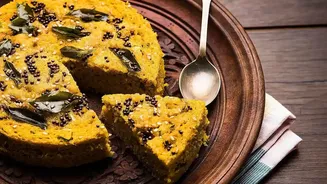
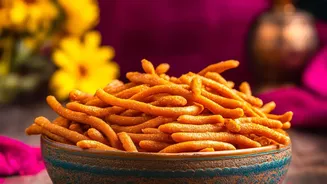
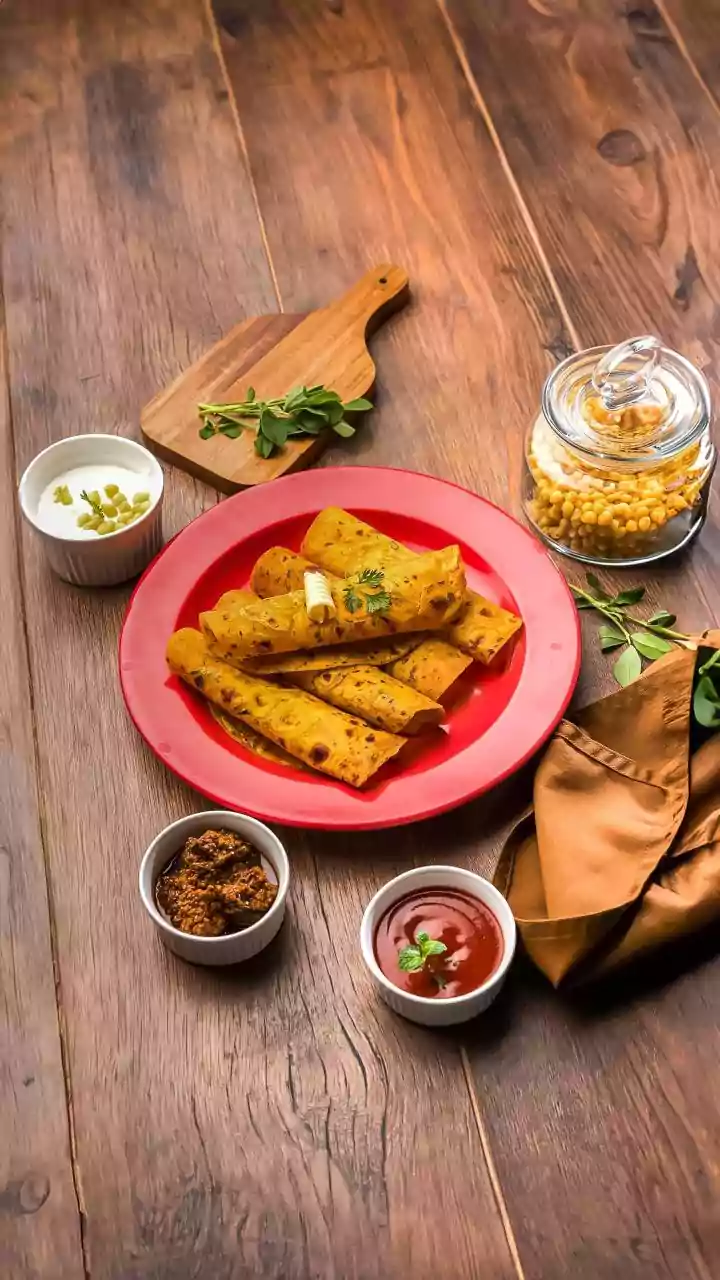
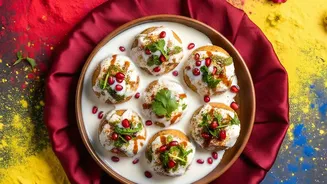
The best part about this trend is that you don't have to give up your favourite festive treats. Creative home cooks and brands are reinventing classic Indian snacks with a healthy twist. Imagine biting into a crispy 'Chakli' or 'Murukku' made from ragi or jowar flour, baked instead of deep-fried. Picture delicious 'Laddoos' sweetened with jaggery and bound with nutrient-dense bajra or foxtail millet flour. Savoury snacks like 'Mathri', 'Sev', and 'Chivda' are also getting a millet makeover, retaining their satisfying crunch and flavour while being lighter and more nutritious. Even soft snacks like 'Dhokla' can be made with millet flour for a healthier, protein-packed bite. These innovations prove that festive indulgence can be both delicious and mindful.