





The Allure and Peril of a Monsoon Trip
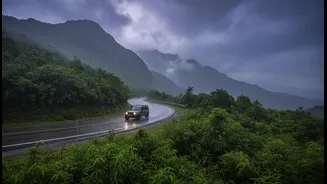
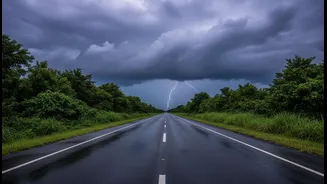
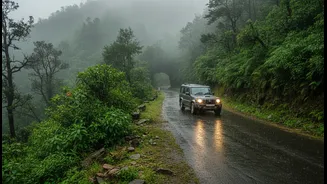
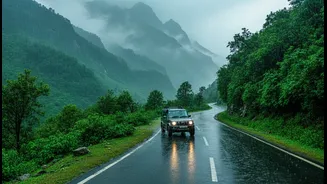
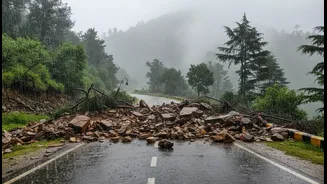
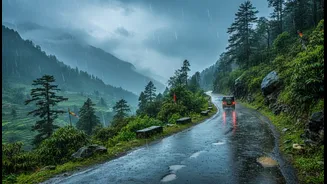
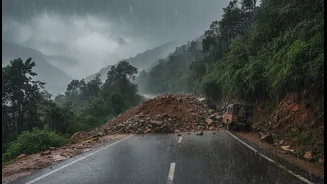
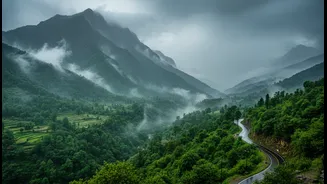
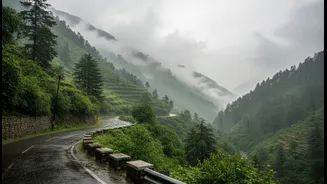
For many travellers, the monsoon is when Himachal is at its most romantic. The summer crowds have thinned, hotel prices are lower, and the landscape is a vibrant, rain-washed green. However, this period also brings significant risks. Heavy rainfall can trigger
landslides, cause flash floods, and lead to sudden road closures, turning a dream vacation into a logistical nightmare. As of early July 2026, the monsoon is active across the state, with the India Meteorological Department (IMD) issuing warnings for heavy rain in several districts, including Shimla, Kullu, and Mandi. These conditions make it clear that travelling during this season requires more than just an umbrella; it requires a robust and flexible plan.
What 'Flexible Booking' Truly Means
The term 'flexible booking' is more than a marketing slogan; it's a critical safety net. When booking hotels and transport, don't just look for the word 'flexible'. You need to read the fine print. A truly flexible policy will allow for last-minute changes or cancellations with minimal financial penalty. Look for options that offer a full refund or free rescheduling if you cancel within a reasonable window, such as 24 to 48 hours before your planned arrival. Some hotels and travel agents are now offering specific 'rain-related fee waivers' or similar clauses, acknowledging the unique challenges of the season. The Himachal Pradesh Tourism Development Corporation (HPTDC) also has its own cancellation policies, which typically involve a percentage-based refund depending on how far in advance you cancel. Always confirm these details before making a payment.
Why Flexibility Becomes Non-Negotiable
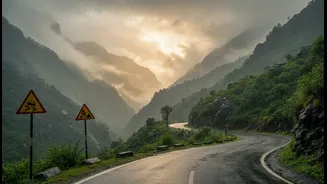
Imagine this: you're on your way to Manali, but a landslide has blocked the highway between Mandi and Kullu, a common occurrence during heavy rains. Your non-refundable hotel booking for that night is now at risk. This is the reality of monsoon travel in the mountains. Road closures can last for hours or even days, completely derailing a fixed itinerary. Having a flexible booking allows you to change your destination, delay your check-in by a day, or cancel altogether without losing your entire investment. It gives you the freedom to make decisions based on safety, not on a sunk cost. Smart travellers are increasingly building buffer days into their schedules to accommodate such potential delays.
Smarter Itinerary Planning for Monsoon
Flexibility extends beyond bookings to your actual travel plan. Instead of a packed, multi-destination tour, consider a 'base camp' approach. Choose a relatively safer and more accessible town like Shimla or Dharamshala and explore nearby areas. These locations generally have better-maintained roads and infrastructure. Avoid travelling at night and always start your drives early in the morning to steer clear of afternoon downpours. Before setting out each day, check with locals, your hotel staff, or official sources like the Himachal Pradesh Police's social media for real-time updates on road conditions. A Google Maps shortcut can be disastrous in the hills; local knowledge is always superior. Also, steer clear of camping or staying too close to rivers and streams, as water levels can rise dangerously without warning.
Beyond Bookings: Essential Monsoon Prep
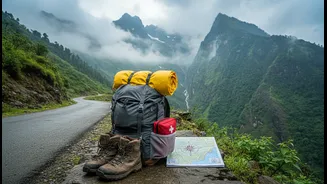
Your safety toolkit for a Himachal monsoon trip should include more than just flexible vouchers. Pack a robust emergency kit with a torch, power bank, first-aid supplies, and dry snacks. Good rain gear and waterproof footwear are non-negotiable. Ensure your vehicle, if you're self-driving, is in top condition, with special attention to tyres, brakes, and wipers. Most importantly, stay informed. Keep the IMD website and reliable weather apps handy, and follow local advisories strictly. The single emergency number in India is 112, and it's wise to save other local medical help numbers offline before your trip.