





Goa’s Glorious Green Makeover
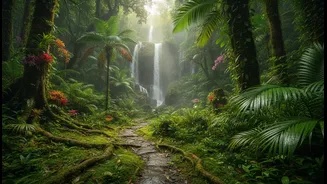
The monsoon, from roughly June to September, transforms Goa into a paradise of lush landscapes and mist-covered hills. While the sea can be rough and swimming is often discouraged, the state's interior comes alive. Rivers swell, forests become a deep,
rich green, and the air is fresh and cool. This is the perfect time to trade the coastline for the countryside and discover attractions that are at their absolute peak during the rains. For nature lovers and those seeking a peaceful escape, the thundering waterfalls and fragrant spice plantations of the Western Ghats offer an unforgettable experience.
Chasing Waterfalls: Harvalem Falls
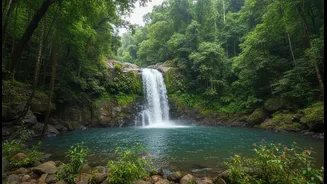
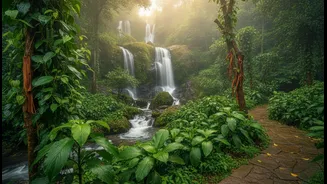
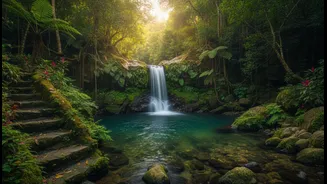
One of the most accessible and scenic waterfalls in North Goa is Harvalem, also known as Arvalem. Located near the town of Sanquelim, this majestic cascade drops from a height of about 50 metres into a tranquil pool. Unlike some of Goa's more remote falls, Harvalem is relatively easy to reach, making it a popular choice for a day trip. During the monsoon, the flow is powerful and impressive. The area is well-maintained with viewpoints and is situated near the ancient Rudreshwar Temple and 6th-century rock-cut caves, adding a layer of history to your nature walk.
The Trek to Tambdi Surla
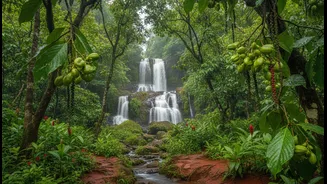
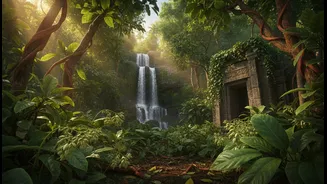
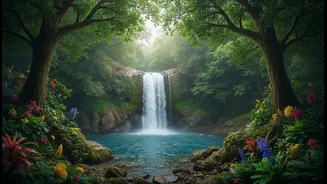
For the more adventurous traveller, the Tambdi Surla waterfall offers a rewarding trek deep inside the Bhagwan Mahavir Wildlife Sanctuary. The journey to the falls is as much a part of the experience as the destination itself. The trek, which takes about 90 minutes through dense forest, starts near Goa’s oldest temple, the 12th-century Mahadev Temple at Tambdi Surla. This stone temple is an architectural marvel that has survived centuries. After paying your respects, the trail leads you through rich biodiversity, across small streams to a breathtaking, multi-tiered waterfall that feels a world away from the crowded beaches.
An Aromatic Detour: Spice Plantations
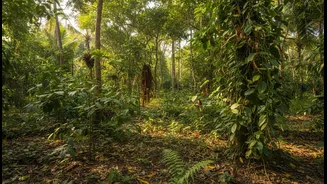
After the exhilarating sight of the waterfalls, a visit to one of Goa’s many spice farms is the perfect way to engage your other senses. Primarily located around the Ponda area, these plantations offer a fascinating glimpse into the world of spices that have been central to Goa’s history and cuisine. A typical tour involves a guided walk where you can see, smell, and sometimes taste spices like black pepper, cardamom, nutmeg, and cloves growing in their natural environment. It’s an educational and sensory journey into the heart of Goan agriculture.
Authentic Flavours at Savoi Plantation
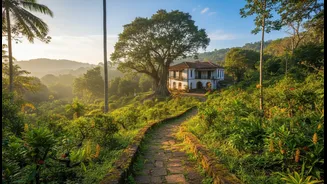
Among the most renowned spice farms is the Savoi Plantation, a 200-year-old family-run estate that prides itself on organic farming. A tour here is an intimate experience, offering a look at not just spices but also a variety of tropical fruits and medicinal herbs. The highlight for many visitors is the traditional Goan Saraswat meal served at the end of the tour, a delicious buffet of home-cooked dishes made with fresh ingredients from the farm. It’s a true taste of Goan hospitality and culinary heritage, set in a serene and verdant environment.
A Day at Sahakari Spice Farm
Another popular destination is the Sahakari Spice Farm, also located in Ponda. It offers a well-organised tour that educates visitors about various spices and their uses in both cuisine and traditional medicine. Beyond the spices, Sahakari provides a broader cultural experience, often including demonstrations of traditional farming methods. The visit typically concludes with a generous buffet lunch served in a rustic setting, allowing you to savour authentic Goan flavours. It’s a great option for families and anyone looking for an engaging and informative day out.