




The Myth of Humidity and Sweat
High humidity makes you feel sweatier for a simple reason: your sweat doesn't evaporate effectively. When the air is already saturated with moisture, the sweat clings to your skin, making it harder for your body to cool down. In response, your body may
actually sweat more to try and compensate, accelerating fluid loss. This gives the impression of extreme electrolyte loss. However, feeling drenched isn't the same as being depleted. The critical factors that determine if you need to replace electrolytes are the duration and intensity of your activity, not just the presence of humidity.
When Is Water Truly Enough?
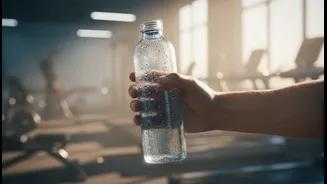
For the vast majority of daily activities, even in humid weather, plain water is sufficient. If you're going for a walk, doing some light gardening, or engaging in exercise for less than an hour, your body's natural electrolyte stores are typically adequate. A balanced diet rich in fruits, vegetables, nuts, and dairy provides a steady supply of essential minerals like potassium, sodium, and magnesium. Foods like bananas, spinach, yogurt, and almonds are excellent natural sources that help maintain your body's balance without the need for supplements. Reaching for a sugary sports drink in these situations can add unnecessary calories and sugar to your diet.
The Line Where Electrolytes Matter
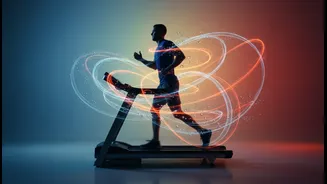
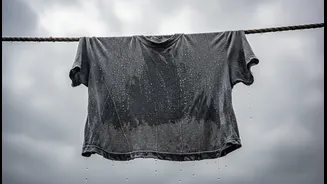
Electrolyte replacement becomes crucial during prolonged and intense physical exertion. If you are exercising vigorously for more than 60-90 minutes, such as running a long distance, cycling for hours, or playing a competitive sport, your body loses a significant amount of sodium and other minerals through sweat. In these scenarios, drinking only water can dilute the remaining electrolytes in your bloodstream, a potentially dangerous condition known as hyponatremia. Some people are also "salty sweaters," meaning they lose more sodium than average. Telltale signs include a very salty taste to your sweat or white, crusty stains on your clothes after a workout. For these individuals, electrolyte drinks during long workouts are beneficial.
Can You Have Too Many Electrolytes?
Yes, it is possible to overdo it. Consuming electrolyte supplements when your body doesn't need them can lead to an imbalance. An excess of sodium (hypernatremia) can cause nausea, headaches, and fatigue, while too much potassium (hyperkalemia) can lead to muscle weakness and, in severe cases, affect heart rhythm. Interestingly, some symptoms of having too many electrolytes, like muscle cramps and fatigue, can mimic the signs of not having enough. This is why it's important not to automatically assume every cramp is a sign of depletion. Unless you are engaged in endurance sports or have a specific medical condition, your daily diet should provide all the electrolytes you need.
Listen to Your Body's Real Signals
Learning to distinguish between simple dehydration and a true electrolyte imbalance is key. Thirst and dark-coloured urine are the primary signs of dehydration, signalling you need more fluids. Symptoms of a potential electrolyte imbalance are more specific and can include muscle cramps or spasms, dizziness, fatigue, nausea, and confusion. An irregular heartbeat or palpitations can be a more serious sign. If you're just feeling thirsty after a short walk, water is your best friend. If you're an hour into a marathon and experiencing persistent muscle cramping and dizziness, an electrolyte drink is warranted.