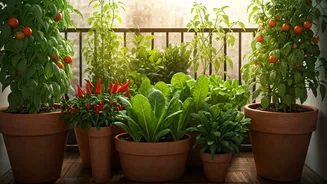





Why Humidity Is a Plant’s Best Friend
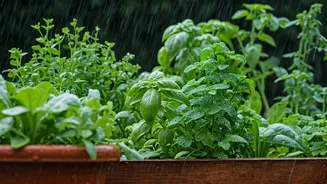
Most tropical plants, which include many of our favourite herbs and vegetables, evolved in humid environments. The high moisture content in the air during the monsoon reduces the amount of water a plant loses through its leaves, a process called transpiration.
This means the plant can focus its energy on growing lush foliage rather than just trying to stay hydrated. For a small kitchen garden, this natural boost means greener leaves, faster growth, and more resilient plants, even with the slightly lower light levels of overcast monsoon days. It’s like a free spa treatment for your green companions.
1. Mint (Pudina)
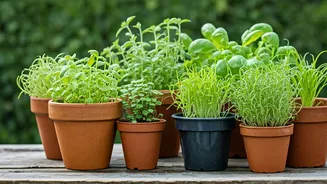
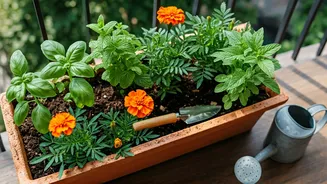
If there's one plant that adores the monsoon, it's mint. This vigorous herb thrives in moist conditions. The high humidity encourages it to spread its runners and produce an abundance of fragrant leaves, perfect for chutneys, raitas, and refreshing drinks. **How to Grow:** Mint is incredibly easy to propagate. Simply take a cutting from a healthy bunch you bought at the market, place it in a glass of water, and wait for roots to appear in a week or two. Once rooted, plant it in a pot with well-draining soil. Keep it on a windowsill where it gets indirect light. It grows so fast, you’ll be harvesting leaves in no time.
2. Basil (Tulsi & Italian)
Both Holy Basil (Tulsi) and its Italian cousin love the warm, damp air of the monsoon. The humidity keeps their broad leaves soft and prevents them from drying out or getting crispy at the edges. A healthy basil plant on your windowsill can fill your kitchen with a beautiful, fresh aroma. **How to Grow:** You can grow basil from seeds or cuttings. For best results, use a well-draining potting mix and a pot that isn’t too large. Basil needs about 4-6 hours of sunlight, so an east-facing window is ideal. Water it when the top inch of soil feels dry, and be sure to pinch off the top leaves regularly to encourage bushier growth.
3. Spinach (Palak)
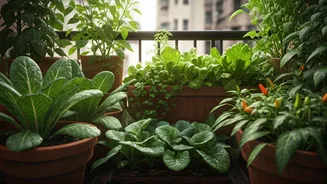
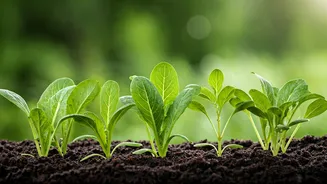
While typically a winter vegetable, certain varieties of spinach can be grown successfully in the monsoon, especially in containers. The ambient moisture helps the leaves stay tender and succulent. Growing your own means you have access to fresh, pesticide-free palak for your dals and sabzis. **How to Grow:** Sow seeds in a wide, shallow container or grow bag filled with a rich mixture of soil and compost. Spinach prefers partial shade, which is abundant during the cloudy monsoon season. Keep the soil consistently moist but not waterlogged. You can start harvesting the outer leaves in about 4-6 weeks, allowing the inner leaves to continue growing.
4. Coriander (Dhaniya)
Growing coriander at home can be tricky, as it tends to 'bolt' (flower prematurely) in hot weather. The cooler temperatures and high humidity of the monsoon create a more favourable environment for it to produce leaves. Having a fresh supply of dhaniya for garnish is a game-changer for any home cook. **How to Grow:** Use fresh coriander seeds, lightly crushed to split them in half. Sow them in a wide pot with good drainage. Coriander doesn’t like to be transplanted, so sow it directly where it will grow. It needs a few hours of gentle sun. The key is to not let the soil dry out completely. Harvest the leaves as needed, and you’ll have a continuous supply for several weeks.
Monsoon Care: Avoiding Common Pitfalls
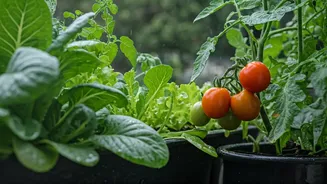
While humidity is great, it also creates ideal conditions for fungal diseases and pests. Ensure your pots have excellent drainage holes to prevent waterlogging and root rot. Don't overcrowd your plants; good air circulation is key to keeping leaves dry and healthy. Check your plants regularly for any signs of mould or pests like aphids. If you see any, a simple spray of neem oil solution can often solve the problem naturally. And remember, even though the air is moist, your potted plants will still need watering, just less frequently than in the dry summer heat.