
Mumbai to Malshej Ghat, Maharashtra
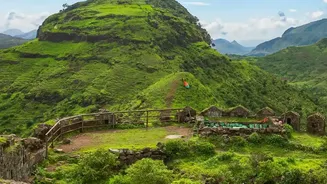
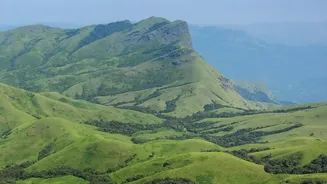
A favourite among residents of Mumbai and Pune, the drive to Malshej Ghat is particularly magical after the rains. The approximately 130-kilometre journey takes you through winding roads where the Sahyadri range comes alive. The post-monsoon season, from
October to February, offers pleasant weather ideal for appreciating the landscape without the risk of slippery roads. The area is famous for its dramatic cliffs, from which countless waterfalls cascade, sometimes spilling directly onto the road. The landscape is a carpet of green, with low-hanging clouds often drifting across the road, creating a surreal driving experience. Beyond the drive itself, Malshej is a haven for trekkers, with the historic Harishchandragad Fort offering panoramic views. It is also a fantastic time for birdwatchers, as migratory flamingos are sometimes spotted at the nearby Pimpalgaon Joga Dam.
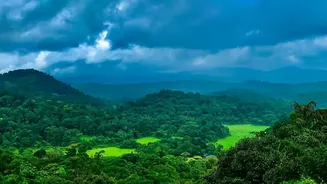
Bengaluru to Coorg, Karnataka
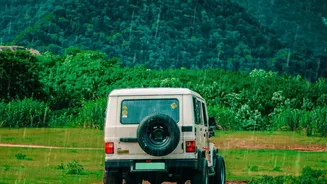
The road trip from Bengaluru to Coorg (Madikeri) is a classic South Indian drive that truly shines after the monsoon. Covering roughly 270 kilometres, the route transitions from the smooth Bengaluru-Mysuru Expressway to the winding hill roads of Kodagu district. While the monsoons between June and September bring the region to its lushest green, the post-monsoon period offers clearer skies while retaining the vibrant scenery. As you get closer to Coorg, the roads are flanked by dense coffee plantations and spice gardens, filling the air with a fresh, earthy aroma. Key attractions like Abbey Falls are at their most powerful following the rains. The drive itself is an experience, taking you through rolling hills often shrouded in a light mist, truly earning Coorg its nickname, the "Scotland of India". For a smoother journey, it's advisable to break the trip with a stop in Mysore.
Pollachi to Valparai to Athirappilly, Tamil Nadu & Kerala
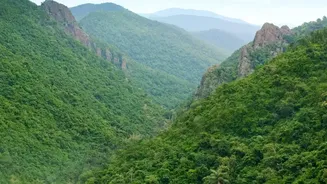
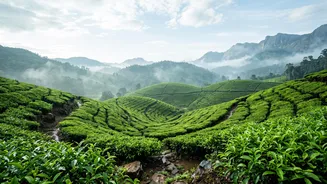
This is arguably one of the most breathtaking drives in the southern Western Ghats, taking you through a remarkable change in landscape. Starting from the plains of Pollachi in Tamil Nadu, the road begins its ascent with 40 hairpin bends, climbing into the tea-covered Anamalai Hills. The journey through manicured tea estates soon gives way to dense, untouched rainforest as you cross into Kerala. This 80-kilometre forest stretch between Valparai and Athirappilly is a biodiversity hotspot, offering chances to spot wildlife like the Indian gaur and lion-tailed macaques. The drive, which can take three to four hours due to the terrain, is punctuated by views of reservoirs like the Sholayar Dam and culminates in the thunderous roar of Athirappilly Falls, often called the "Niagara of India". The post-monsoon period ensures the waterfalls are still magnificent while the forest roads are more accessible.
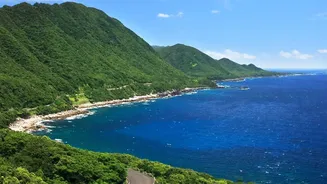
Goa to Karwar, Goa & Karnataka
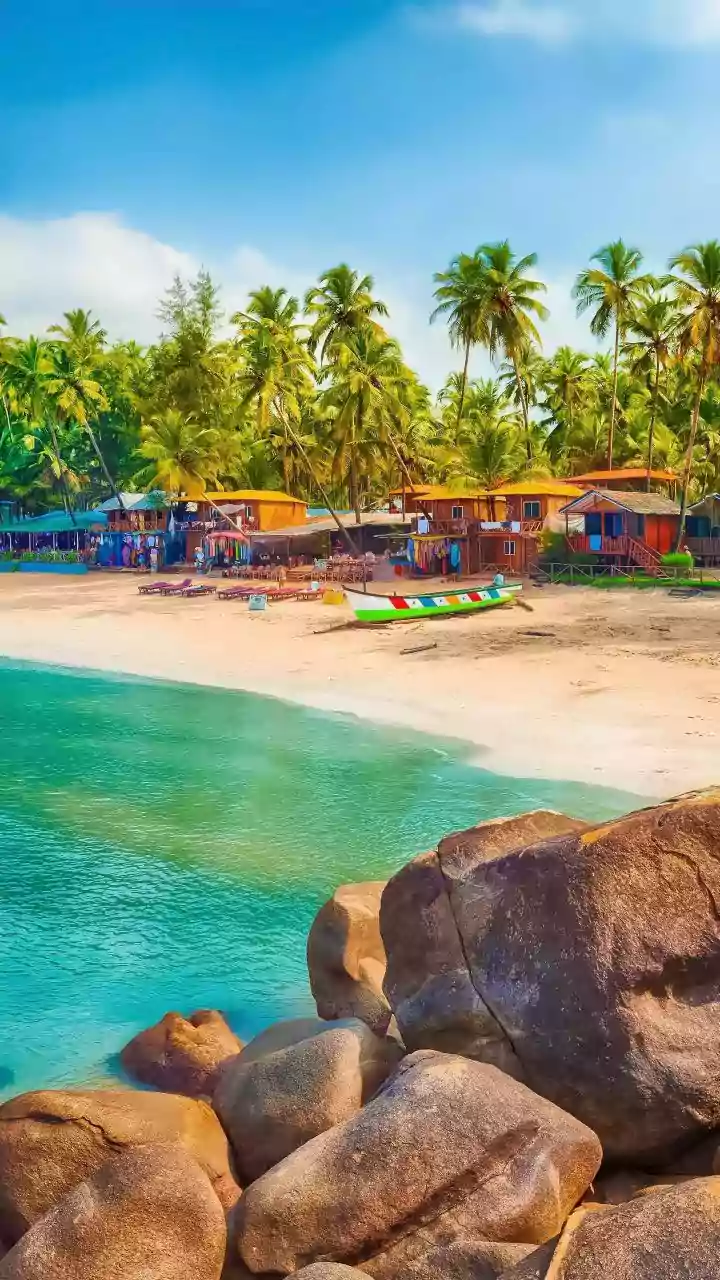
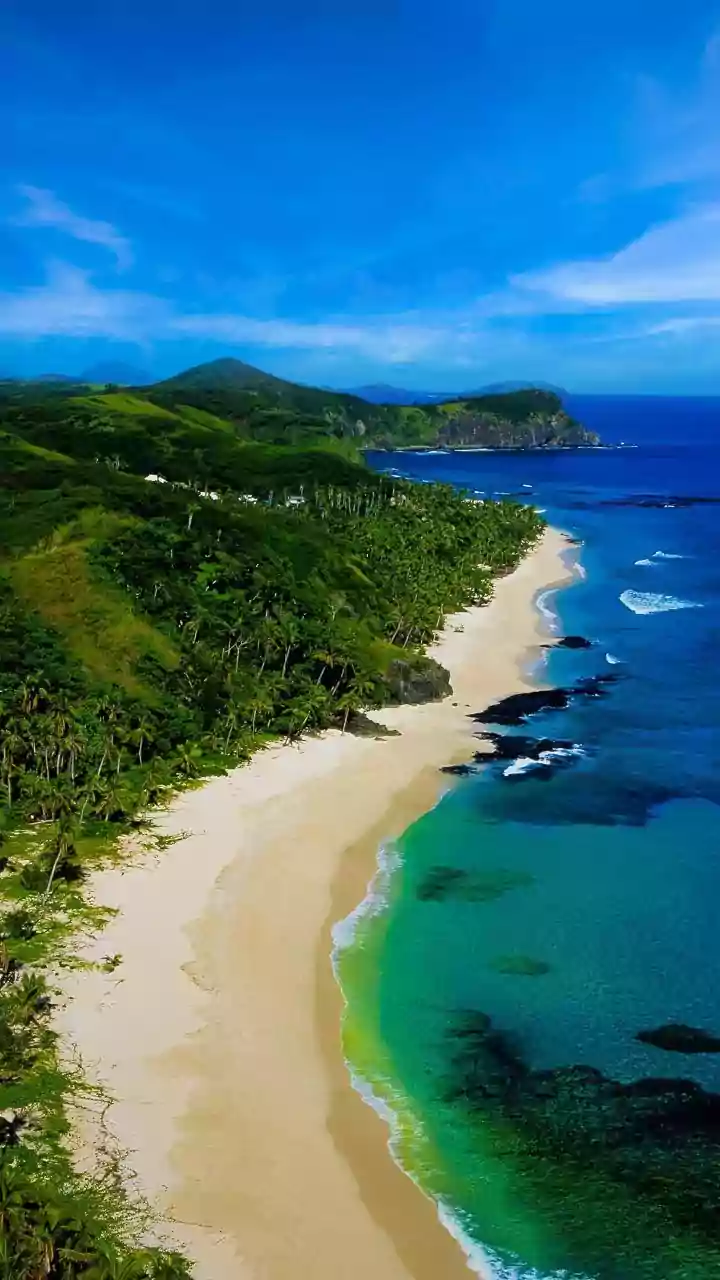
For those who love the sea as much as the hills, the coastal drive from Goa down to Karwar in Karnataka is a fantastic option. This route along National Highway 66 offers a beautiful blend of the Arabian Sea on one side and the fringes of the Western Ghats on the other. The journey of about 80-100 kilometres is relatively short but packed with scenic beauty, from quiet beaches like Polem to the stunning Kali River estuary as you enter Karwar. Often called the 'Kashmir of Karnataka', Karwar is a laid-back coastal town known for its pristine beaches, fresh seafood, and the historic Sadashivgad Hill Fort. The drive is particularly beautiful post-monsoon, when the greenery is lush and the skies are clear, making the coastal views even more spectacular. It’s an easy day trip that showcases a quieter, more serene side of the Konkan coast.
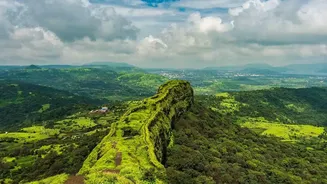
Pune to Tamhini Ghat, Maharashtra
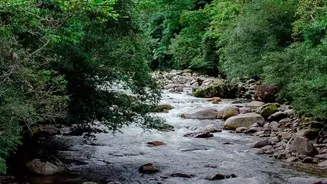
The drive through Tamhini Ghat is another gem for those starting from Pune. The route, descending from the plateau towards the Konkan coast, is renowned for being one of the most scenic in Maharashtra, especially during and after the monsoon. The road winds through dense forests that are often blanketed in mist, with innumerable waterfalls dotting the landscape on both sides of the descent from July through September. While the peak monsoon can sometimes lead to road closures due to heavy rain and landslides, the post-monsoon window offers a safer yet still incredibly lush experience. The road conditions can be mixed, with some excellent stretches and some rough patches, so it's best to drive cautiously and avoid travelling after dark. The reward is a drive through a green, cloud-kissed landscape with the sound of water as a constant companion.