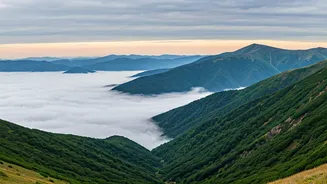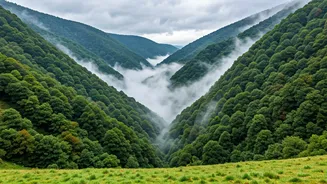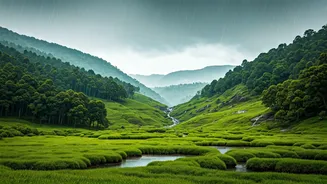



Coorg, Karnataka: The Scotland of India
Often called the ‘Scotland of India’, Coorg’s charm is magnified during the monsoon months from June to September. The entire region transforms into a lush, green paradise. [11] The air fills with the rich aroma of wet soil and fresh coffee from its famous
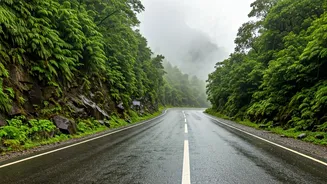
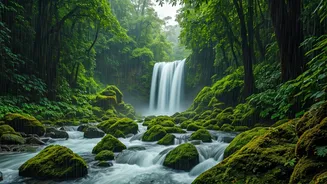
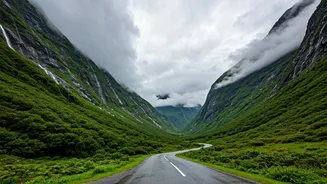
plantations. The rolling hills are often wrapped in a thick blanket of mist, creating a cinematic and romantic atmosphere that is perfect for a quiet getaway. [12, 20] Waterfalls like Abbey and Iruppu, which are gentle streams in other seasons, become powerful, roaring cascades that are a sight to behold. [10, 15] Driving through the winding roads feels like navigating through a secret, rain-washed world, with pepper vines and areca palms dripping with fresh rainwater. [20] The cooler temperatures, which hover between 19°C and 25°C, make it ideal for enjoying a warm cup of local coffee while watching the hills disappear and reappear through the clouds. [24]
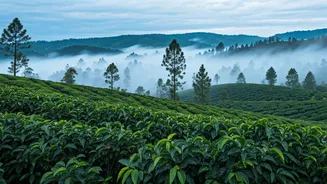
Munnar, Kerala: Tea Gardens in the Clouds
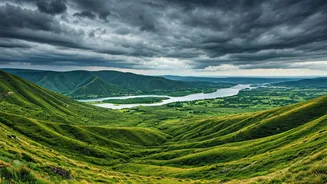
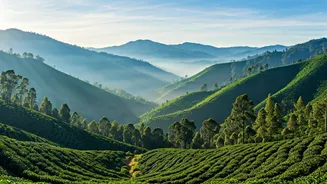
Nestled in the Western Ghats, Munnar is a dreamscape of rolling tea estates that become even more vibrant during the monsoon. [8] The rain breathes new life into the landscape, washing the tea leaves to a brilliant shade of green and creating a silvery mist that hangs low over the hills. [17] The season transforms Munnar into a tranquil haven, perfect for those looking to escape the heat and bustle of city life. [17, 25] The sound of rain on the tea bushes and the cool, fragrant air create a deeply calming atmosphere. Waterfalls like Attukal swell to their full glory, and the Eravikulam National Park becomes a lush sanctuary for the endangered Nilgiri Tahr. [8] A simple walk or drive through the mist-laden plantations offers views that are both serene and spectacular, making it an unforgettable experience for nature lovers. [5, 25]
Cherrapunji, Meghalaya: The Land of Living Bridges
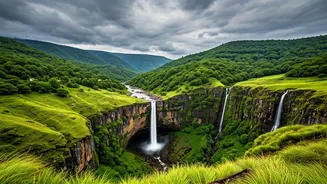
Famous for being one of the wettest places on earth, Cherrapunji (also known as Sohra) is a destination that thrives in the rain. [22] The monsoon is when this region's unique natural wonders are at their most dramatic. The landscape, crisscrossed by rivers and streams, is home to the incredible living root bridges—bridges grown from the roots of the Ficus elastica tree by the Khasi tribes. [6, 21, 23] During the monsoon, as rivers swell, these ancient, sturdy bridges become essential and even more striking against the backdrop of the lush, wet forest. [6, 19] The entire area is dotted with numerous waterfalls that thunder down into deep valleys, creating a powerful and awe-inspiring spectacle. The constant rain and cool breeze make sipping a hot cup of tea while taking in the dramatic, rain-swept views a quintessential Cherrapunji experience. [17]
Valley of Flowers, Uttarakhand: A Himalayan Paradise in Bloom
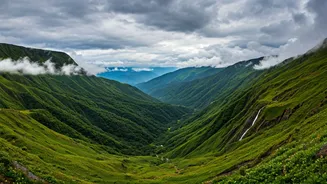
The Valley of Flowers National Park is a UNESCO World Heritage Site that is only accessible for a few months a year, coinciding perfectly with the monsoon. [9] The best time to visit is from July to September when the valley is in full, vibrant bloom. [7, 16] The rains trigger the germination of hundreds of species of alpine flowers, carpeting the meadows in a breathtaking explosion of colour. [14, 16] Trekking through this high-altitude valley, you'll see a stunning variety of flowers like primulas, orchids, marigolds, and the rare Brahma Kamal. [16] The monsoon weather adds a mystical quality to the landscape, with mist and clouds drifting through the valley, partially obscuring and then revealing the colourful floral displays and surrounding snow-capped peaks. [9, 14] The light drizzles enhance the fragrances and the entire experience feels like walking through a living painting. [9]