



Setting Up Your Balcony Herb Garden
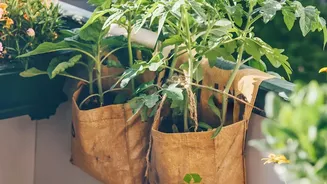
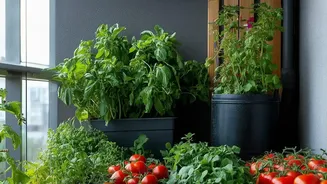
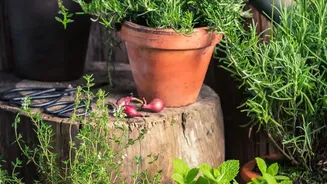
Before you begin, the foundation for a healthy herb garden lies in three key elements: pots, soil, and location. Choose containers with good drainage holes to prevent waterlogging, which can lead to root rot. Terracotta or clay pots are excellent as they
are porous and help keep the soil healthy. For the soil, a well-draining potting mix is crucial. A great DIY mix consists of equal parts garden soil, cocopeat (for moisture retention), and organic compost (for nutrients). Most herbs, including our chosen three, thrive with plenty of sunlight. An ideal balcony would receive at least four to six hours of sunlight daily.
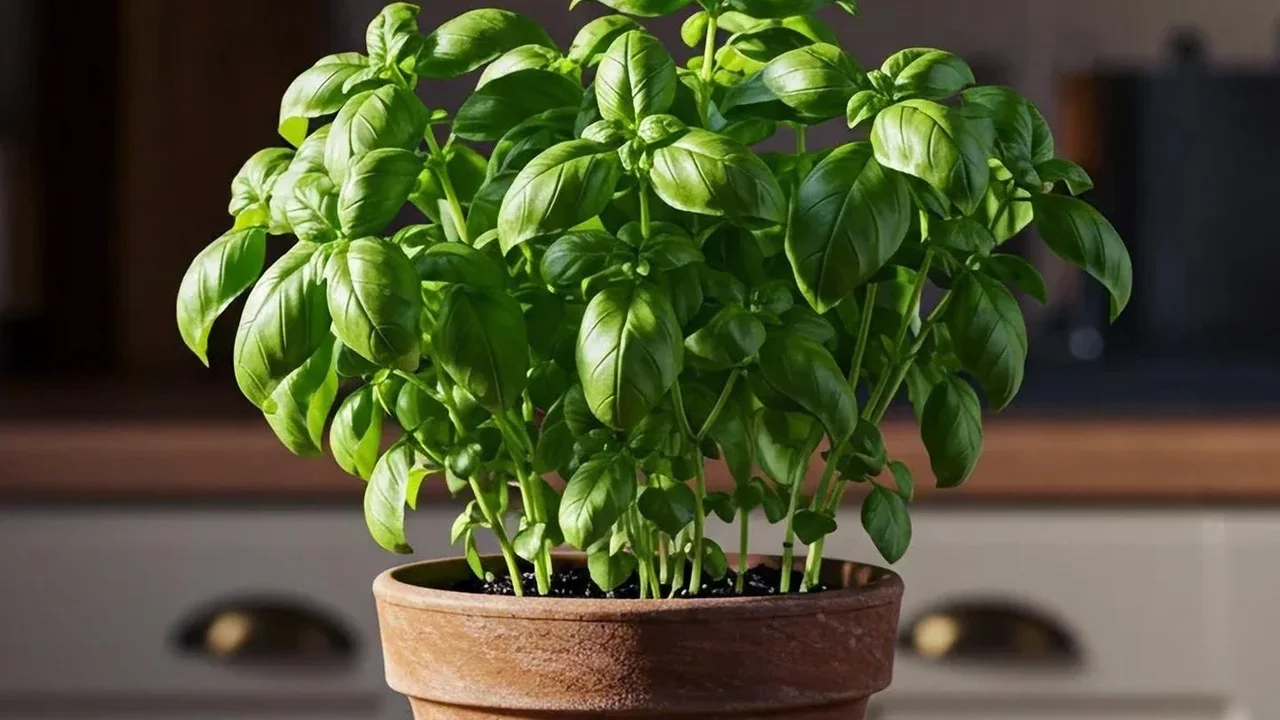
The Holy Basil (Tulsi)
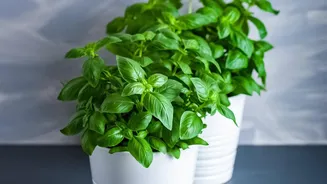
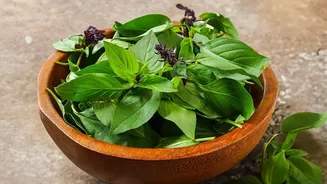
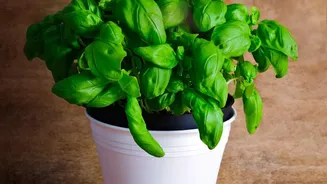
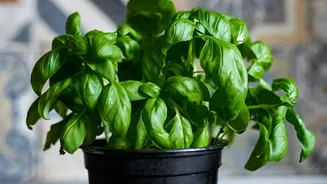
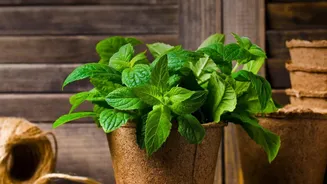
A staple in many Indian households, Holy Basil, or Tulsi, is relatively easy to grow. It loves heat and sunlight but can be sensitive to intense, direct afternoon sun which might burn its leaves. A spot that receives gentle morning sun is perfect. Basil requires soil that is kept consistently moist but not waterlogged. Water the plant when the top inch of the soil feels dry. Pruning is key to a bushy, healthy plant. Regularly pinch off the top sets of leaves, which encourages the plant to grow outwards rather than becoming tall and spindly. Also, be sure to remove any flowering heads as soon as they appear to ensure the plant directs its energy into producing more flavourful leaves.
The Prolific Mint (Pudina)
Mint, or Pudina, is famously easy to grow—so easy, in fact, that it can be aggressive. It is highly recommended to plant mint in its own container, as its roots spread rapidly and can quickly take over a shared pot. It thrives in a wide, shallow pot that allows it to spread horizontally. Mint is not overly fussy about sunlight and can do well in partial shade, making it suitable for balconies that don't get sun all day. It prefers evenly moist soil, so water it regularly, especially during hot weather. You can easily propagate mint from cuttings; simply place a few healthy stems in a glass of water, and roots will appear in about a week.
The Fragrant Curry Leaf (Kadi Patta)
The Curry Leaf plant, or Kadi Patta, is a perennial shrub that loves warmth and sun. For the most fragrant and lush leaves, provide it with at least six to eight hours of direct sunlight daily. It is crucial to use well-draining soil, as the plant is susceptible to root rot if its feet are constantly wet. Water the plant deeply, but allow the soil to become visually dry before watering again. During colder months or winter, the plant may enter a dormant period and even shed its leaves; this is normal. Reduce watering during this time. Pruning the plant, especially in the spring, encourages bushier growth and a more abundant harvest.
Dealing with Common Pests
Even on a balcony, pests can sometimes be an issue. Basil is often targeted by aphids and slugs. Aphids are small insects that suck sap and can be found on the underside of leaves. Curry leaf plants can also attract pests like aphids and mealybugs. A simple and organic solution for many of these soft-bodied insects is a spray made of a small amount of liquid dish soap mixed with water. For persistent issues, neem oil spray is an effective organic pesticide that works well for most common herb pests.