




From Backyard Tree to Global Trend
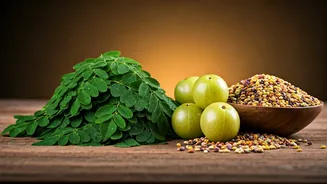
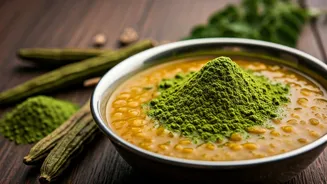
Before it was a trendy powder in a fancy jar, moringa was simply ‘shevga’ or ‘sahjan’—the drumstick tree. For generations, its leaves, pods, and flowers have been a staple in Indian kitchens, used in everything from sambar and curries to simple vegetable
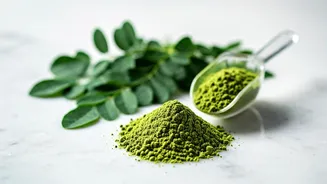
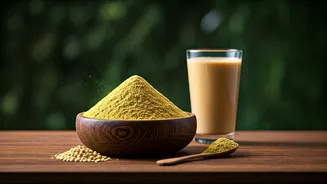
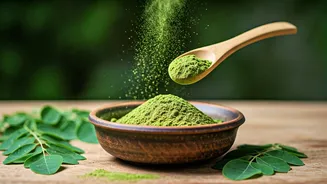
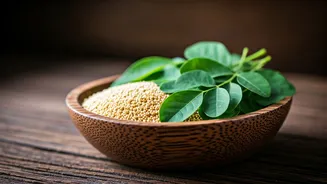
stir-fries. Known for its resilience and ability to thrive in harsh conditions, it’s often called the 'miracle tree.' The recent global fascination focuses on the dried leaves, which are ground into a fine powder. This process concentrates the nutrients, making it an easy and potent supplement that has caught the eye of health-conscious consumers worldwide, turning a humble, everyday ingredient into a viral sensation.
What Are The Health Claims?
Moringa's reputation as a superfood stems from its dense nutritional profile. The leaves are packed with vitamins and minerals. Proponents claim it boasts more Vitamin C than oranges, more Vitamin A than carrots, and significant amounts of calcium, potassium, and protein. It's also rich in antioxidants like quercetin and chlorogenic acid, which help combat oxidative stress and inflammation in the body. Traditional Ayurvedic medicine has long used moringa to address a variety of ailments, from improving energy levels and supporting digestion to managing blood sugar. While modern science is still catching up, early studies suggest promising anti-inflammatory, antioxidant, and cholesterol-lowering properties, though more extensive human trials are needed to confirm these effects definitively.
Is The Hype Real?
While moringa is undeniably nutritious, it's important to view it with a balanced perspective. No single food can be a silver bullet for perfect health. The 'superfood' label often creates unrealistic expectations. Many of the dramatic benefits reported in small-scale or animal studies may not translate directly to humans consuming small amounts of the powder. The truth is, moringa is a fantastic, nutrient-dense plant. Incorporating it into your diet can certainly boost your intake of essential vitamins and antioxidants. However, its benefits are best realised as part of a consistently healthy and balanced diet, not as a standalone cure. It’s a powerful supplement, not a magic potion.
How to Easily Use Moringa Powder
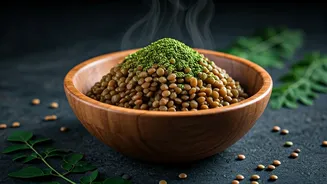
The beauty of moringa powder is its versatility. It has a slightly earthy, spinach-like taste that can be easily incorporated into both sweet and savoury dishes. A little goes a long way; start with half a teaspoon to a full teaspoon per day. You can blend it into your morning smoothie for a nutrient kick or whisk it into a glass of warm water with lemon and honey for a simple wellness tea. For a more traditional approach, try mixing it into the dough for parathas or rotis, sprinkling it over dal just before serving, or adding it to soups and stews. It can also be stirred into yoghurt, oatmeal, or even guacamole for an extra dose of green goodness without drastically altering the flavour.
Any Potential Side Effects?
For most people, moringa leaf powder is safe when consumed in moderation. However, high doses may have a laxative effect or cause digestive upset. It's crucial to stick to recommended serving sizes, typically no more than one tablespoon per day. Certain individuals should exercise caution. Pregnant or breastfeeding women should avoid moringa, as chemicals in the root, bark, and flowers can cause uterine contractions. People on thyroid medication or drugs that lower blood sugar or blood pressure should also consult their doctor before adding moringa to their routine, as it can amplify the effects of these medications. Always choose a high-quality, pure moringa powder from a reputable source to avoid contamination with heavy metals or other harmful substances.