




The New Travel Agent in Your Pocket
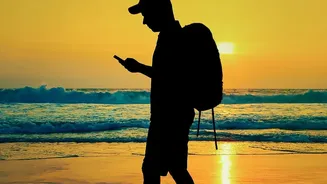
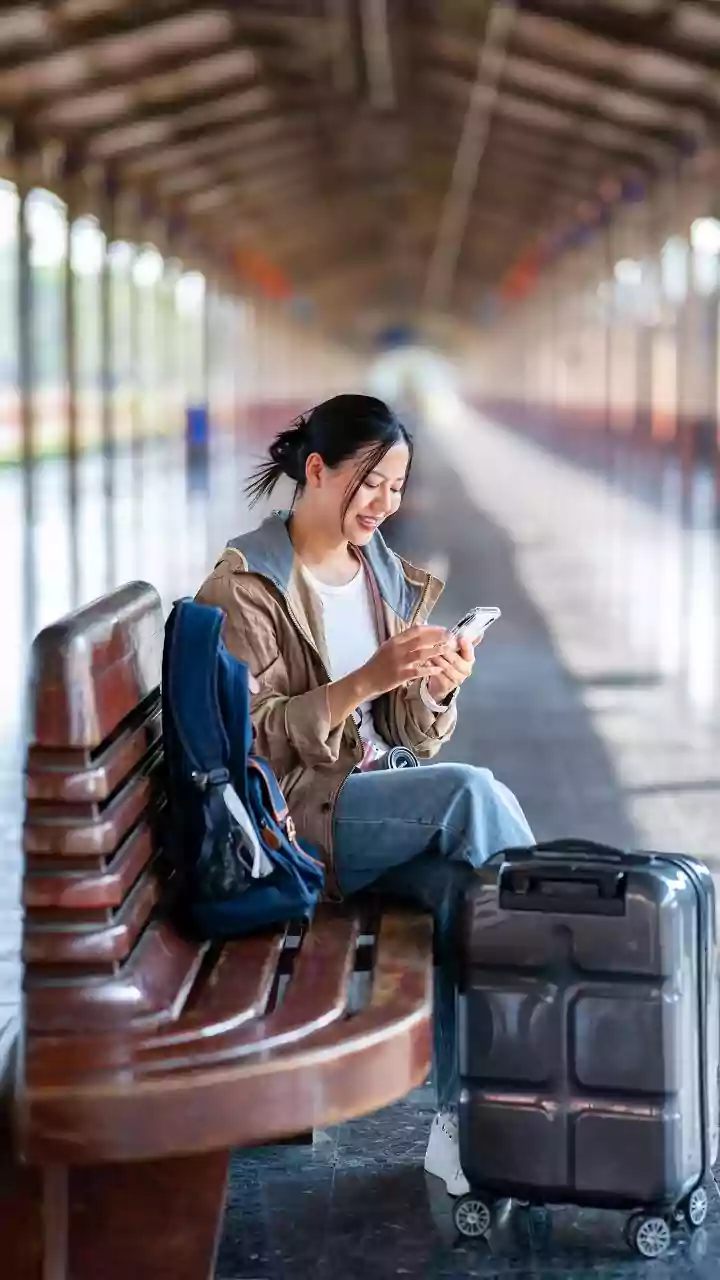
Not long ago, planning a holiday involved glossy magazines, heavy guidebooks, or long sessions with a travel agent. Today, the entire process, from initial inspiration to final booking, starts and ends on a smartphone. A comprehensive Google and Kantar
report reveals that video has become central to travel discovery, with a staggering 68% of Indian travellers using YouTube for inspiration. This shift isn't just about convenience; it’s about a fundamental change in who we trust. Instead of relying on polished marketing campaigns, travellers are turning to content creators for authentic, real-world advice on where to go, what to do, and how to do it. Nearly 60% of travellers state that creators significantly influence their travel decisions, effectively making them the new, hyper-personalised travel agents for a digital-first generation.
From Polished Vlogs to Raw Reels
The evolution of video content itself is a major driver of this trend. While long-form YouTube vlogs, offering detailed itineraries and cinematic visuals, laid the groundwork, the explosion of short-form video has accelerated the change. Platforms like Instagram Reels and YouTube Shorts provide quick, engaging, and easily digestible travel ideas. According to Google's report, two in five travellers now use YouTube Shorts for quick inspiration. These 30-second clips, often set to trending music, can make a destination feel accessible and exciting, creating an instant fear of missing out (FOMO). This format thrives on authenticity; a raw, shaky video of a hidden waterfall or a bustling local market often feels more trustworthy and appealing than a highly-produced advertisement, resonating particularly with Millennial and Gen Z audiences.
The Rise of the Regional Creator
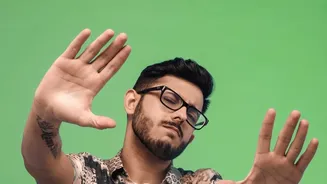
A key aspect of this transformation is the democratization of travel content. The rise of creators from diverse backgrounds, making videos in regional languages, has made travel inspiration more inclusive than ever. Vloggers like Mallu Traveler, who creates content in Malayalam, command massive followings by offering culturally nuanced and relatable travel stories. This allows viewers to see destinations through the eyes of someone who shares their language and cultural context, breaking down barriers that once made travel feel intimidating. It has also helped segment the market, with different creators catering to specific niches, from budget backpackers and solo female travellers like Priyanka Chandola (DesiGirl Traveller) to luxury seekers and moto-vloggers.
Uncovering India’s Hidden Gems
One of the most significant impacts of this video-led discovery is the spotlight on lesser-known destinations. While major tourist hubs will always have their appeal, creators are increasingly driving traffic to offbeat locations. A single viral Reel can turn a sleepy village, a remote homestay, or an unknown cafe into a sought-after destination overnight. This helps distribute tourist traffic more evenly, potentially easing the burden on over-touristed spots. For young, experience-driven travellers, particularly Gen Z, the appeal of visiting a place that isn't already on every other travel brochure is immense. They are actively seeking unique, personal journeys that reflect their identity, and creators are their guides to finding these hidden gems.
Authenticity and the Trust Economy
Ultimately, the power of video platforms lies in trust. Viewers build a parasocial relationship with creators, following their journeys over months or even years. This fosters a sense of credibility that traditional advertising struggles to match. When a vlogger like Varun Vagish shares budget tips or Mohit Manocha details visa processes, it feels like advice from a well-travelled friend. This authenticity is the currency of the new travel economy. Travellers are not just buying a trip; they are buying into an experience that has been vetted by someone they trust. This reliance on peer-to-peer recommendations, facilitated by video, has made the travel landscape more dynamic, personal, and accessible for a new generation of Indian explorers.