








Beyond the Fedora and the Basement
For many, the word 'archaeologist' conjures images of Indiana Jones, while 'archivist' brings to mind someone toiling away in a dimly lit basement. The reality of these professions in the 21st century, however, is far more dynamic and tech-infused. Today’s
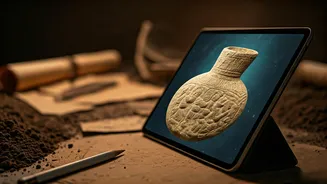
archaeologists use Geographic Information Systems (GIS) to map excavation sites and satellite imagery to discover ancient patterns in the landscape. Archivists are no longer just guardians of brittle paper; they are digital preservation specialists, metadata experts, and data managers who ensure that records born digital survive for future generations. This evolution is recasting these fields not as relics of the past, but as vital, forward-looking professions grappling with modern challenges of data, preservation, and technology.
A Search for Meaning in the Digital Age
What is driving this newfound interest? For Gen Z, a generation that came of age with unprecedented digital exposure, there's a growing desire for careers with tangible impact and purpose. There's a renewed appreciation for heritage, culture, and authenticity, which is reflected in everything from home decor to career aspirations. These fields offer a direct connection to history and a mission to preserve it, which appeals to those seeking more than just a paycheck. This generation doesn't just want to see history behind glass; they want to engage with it, understand its narratives, and ensure its stories are told, making careers that facilitate this interaction highly attractive.
The Path to the Past
Entering these fields in India requires a dedicated educational journey. For archaeology, a master's degree in Ancient Indian History, Culture, and Archaeology is often the standard entry point, offered by universities like Banaras Hindu University and the University of Madras. For a career with the premier government body, the Archaeological Survey of India (ASI), a postgraduate diploma from its Institute of Archaeology is highly sought after. For archivists, a Master's degree in History or a related field, often supplemented by a diploma in Archives and Records Management from an institution like the National Archives of India, is the typical path. These programs equip aspirants with the foundational knowledge and practical skills needed for the job.
Reality Check: Jobs and Salaries
While passion is a key driver, practicality is paramount. The primary employer for archaeologists in India remains the government, through the ASI and state archaeology departments. Museums, universities, and heritage management organizations also offer opportunities. The job market is stable but niche, meaning it's competitive. Starting salaries for archaeologists can range from ₹3 lakh to ₹5 lakh per annum, potentially rising to over ₹10 LPA with experience and specialization. For archivists, opportunities exist in government bodies, but also increasingly in the corporate sector, as companies begin to value their own history. A digital archivist can expect a starting salary in a similar range, with significant growth potential for those with specialized tech skills.
Skills for the Modern Historian
A love for history is just the starting point. Today's job market demands a hybrid skill set. Technical proficiency is becoming non-negotiable. For archaeologists, this includes skills in GIS, remote sensing, and database management. For archivists, expertise in digital preservation, metadata standards, and content management systems is crucial. Beyond the tech, strong research abilities, project management, technical writing, and sharp analytical skills are what separate successful candidates from the pack. These professions are no longer just about interpreting the past; they are about using modern tools to manage, analyse, and communicate it effectively to a global audience.