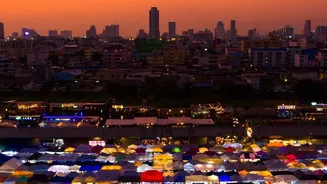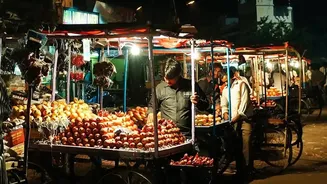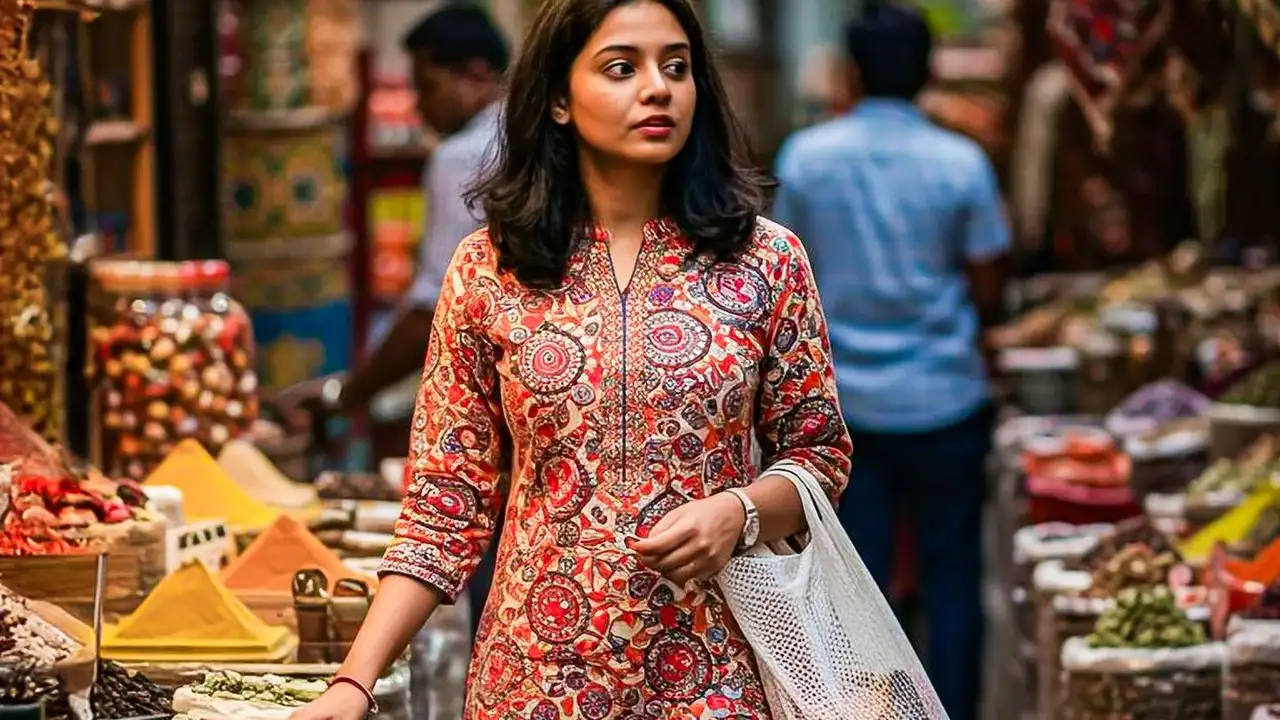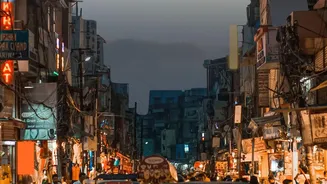





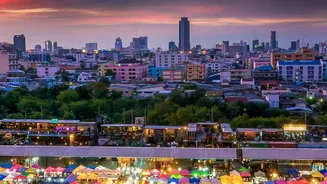


In an age of 10-minute deliveries and sprawling supermarkets, a different kind of shopping experience is making a powerful comeback. Urban Indian shoppers are increasingly turning away from sterile aisles and digital carts to embrace the vibrant chaos
of local bazaars.
The Unbeatable Allure of Freshness
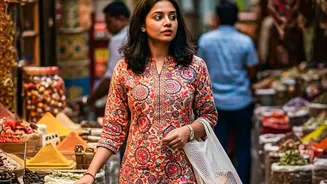
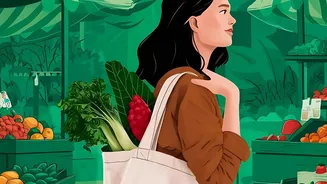
The primary driver behind this shift is the pursuit of genuine freshness. While supermarkets offer convenience, local bazaars promise produce that is often sourced the very same day from nearby farms. This direct line from farm to consumer means vegetables are more vibrant, fruits are more flavourful, and herbs retain their potent aroma. Shoppers value the ability to see, touch, and smell their produce—a sensory experience that an online interface or plastic-wrapped package cannot replicate. A Mintel research report noted that over half of Indian consumers prefer to buy perishable goods in person precisely for this reason. This hands-on approach builds trust and confidence in the quality of the food that families consume, making the daily trip to the 'mandi' a worthwhile ritual.
Value, Variety, and the Art of the Bargain
Beyond freshness, local markets deliver on a crucial promise: value for money. By cutting out many of the middlemen involved in large-scale retail supply chains, vendors can often offer more competitive prices. This is especially important as households become more deliberate with their spending, consolidating purchases and seeking maximum value for every rupee. But 'value' in a bazaar is not just about the final price; it's also about flexibility. Unlike the fixed package sizes in supermarkets, bazaars allow customers to buy exactly the quantity they need, reducing food waste and accommodating smaller, more frequent shopping trips. The experience is also enriched by a wide variety of regional and specialty items that are hard to find elsewhere, catering to India's diverse culinary traditions. The cultural practice of bargaining further enhances the sense of getting a good deal, making the transaction a rewarding, interactive experience.
More Than a Transaction: A Community Hub
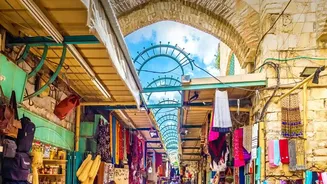
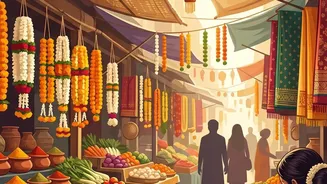
Perhaps the most significant aspect that modern retail struggles to emulate is the profound sense of community found in local bazaars. These markets are not just commercial spaces; they are vibrant social conduits where neighbours connect and relationships are forged. Regular visits lead to personal bonds with vendors, who offer credit, provide recommendations, and often become trusted figures within the neighbourhood. This human connection stands in stark contrast to the impersonal nature of supermarkets and the isolation of online shopping. The bazaar is a riot of sights, sounds, and smells—from vendors calling out their prices to the aroma of street food—that makes shopping an engaging and memorable event rather than a chore. It’s an experience that awakens the senses and fosters a feeling of belonging.
A Conscious Choice in a Digital World
The return to local markets is not a rejection of modernity but a conscious rebalancing of priorities. While quick commerce and e-retail are booming for impulse buys and nonperishable goods, consumers are becoming more selective about how they source fresh food. Many use a hybrid model, relying on apps for urgent topups or bulk items while reserving their main fresh grocery runs for trusted local vendors. This trend reflects a deeper consumer desire that goes beyond mere convenience. It’s a vote for supporting small, local businesses and preserving the cultural fabric of the community. In a world of increasing digitalisation, the bazaar offers an authentic, tangible, and deeply human experience that many urban Indians are finding too valuable to lose.