







A Nationwide Morning Ritual
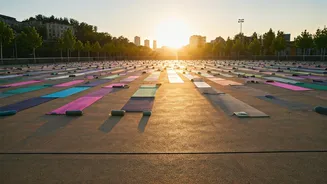
It’s a sight to behold. As dawn breaks on June 21st, India collectively stretches and breathes. From the lawns of India Gate in Delhi to the beaches of Kanyakumari, millions of people roll out their mats. Schoolchildren, corporate executives, soldiers,
and politicians join together in synchronised movements. What began in 2015 as a diplomatic initiative led by Prime Minister Narendra Modi has blossomed into something far more personal and widespread. This is no longer just a government-mandated event; it’s a cultural phenomenon that has seeped into the national consciousness, embraced with a level of enthusiasm that continues to grow each year.
From Ancient Roots to Global Stage
The journey of yoga to this global celebration is a story of India’s soft power. While yoga has been practised on the subcontinent for millennia, its formal recognition by the United Nations was a landmark moment. In 2014, India’s proposal to create an International Day of Yoga received overwhelming support, with 177 nations co-sponsoring the resolution. The date, June 21st, was chosen as it is the summer solstice in the Northern Hemisphere, the longest day of the year, holding special significance in many parts of the world. This global endorsement provided the perfect platform to reintroduce yoga not just as a form of physical exercise, but as a holistic system for well-being, mindfulness, and inner peace—a message that resonates deeply in our fast-paced, high-stress world.
The New Face of Yoga
A key reason for the surging excitement is how yoga has been brilliantly repackaged for a new generation. It’s no longer confined to ashrams or early-morning sessions for the elderly. Today’s yoga is cool, accessible, and digital. Social media influencers post aesthetic asanas, wellness apps offer guided sessions, and corporates host Yoga Day events to promote employee well-being. This modern branding has demystified the practice, making it appealing to young Indians who see it as a way to manage stress, stay fit, and connect with their cultural heritage in a contemporary way. The excitement is visible in the trendy yoga wear sold online, the packed-out weekend workshops, and the viral 'yoga challenge' videos that flood social media in the days leading up to June 21st.
Beyond the Mat and Asana
The celebration has also expanded far beyond the physical postures, or asanas. The theme for Yoga Day often centres on broader concepts like 'Yoga for Humanity' or 'Yoga for Vasudhaiva Kutumbakam' (the world is one family). This framing reinforces the idea that yoga is a tool for social harmony and global unity. The excitement is rooted in this sense of collective participation. It’s about the shared experience of being part of something bigger—a community coming together to focus on health, positivity, and a shared heritage. In schools, it's about discipline and focus. In offices, it’s a break from deadlines. For families, it’s a shared activity. This multifaceted appeal is what makes the excitement so pervasive.
A Unifying National Spectacle
Ultimately, the excitement for Yoga Day stems from its power as a unifying force. In a country of immense diversity, it provides a common ground. On this one day, differences of age, class, and religion seem to fade as people from all walks of life share the same space and the same simple goal: to breathe, stretch, and find a moment of peace. The visuals are powerful—from the Prime Minister leading a mass session in a historic location to a small village community practising in a local park. It has become a modern Indian tradition, a day of positive national pride that is both deeply personal and spectacularly public.