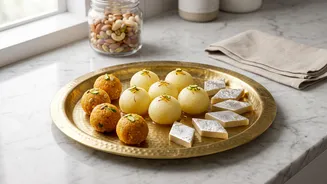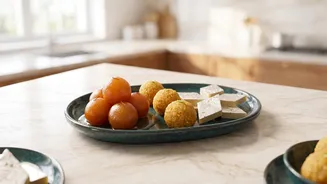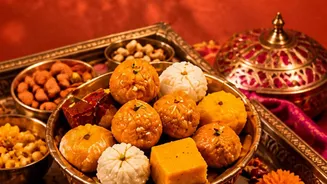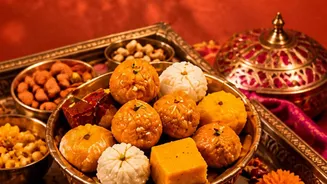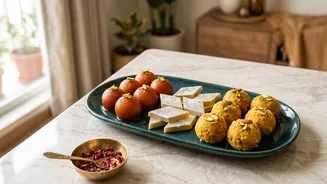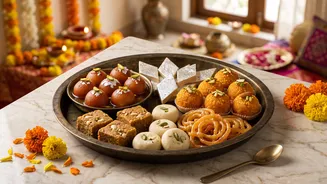






The festive season brings joy, family gatherings, and an abundance of traditional sweets. But this is also a time when concerns about freshness and quality peak. Thankfully, food safety guidelines are not just for inspectors; they are a powerful tool
for you.
The Most Important Sign: 'Best Before' Dates
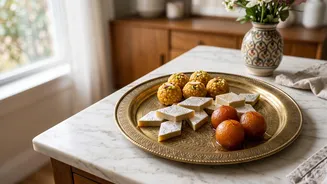
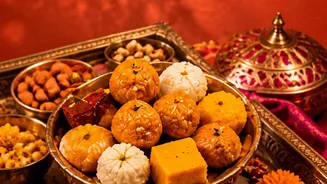
The single most significant tool at your disposal is a rule from the Food Safety and Standards Authority of India (FSSAI). For several years, it has been mandatory for all sweet shops to display a 'Best Before' or 'Use By' date on the tray or container for loose sweets. This applies to everything from laddoos to barfis sold from behind a glass counter. Before you buy, look for this label. The shelf life of sweets varies greatly; a milk-based sweet like a peda may only last a day or two, while a boondi laddoo can last much longer. In late 2026, some states like Uttar Pradesh and Uttarakhand have reinforced this, making it mandatory for shops to display these dates clearly to help consumers. If a shop has not displayed this information, you have the right to ask, and its absence should be treated as a red flag.
Trust Your Senses: Look, Smell, and Touch
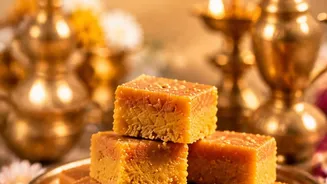
While dates are crucial, your own senses are your next line of defence. Fresh sweets should have a vibrant, natural colour and a pleasant, appetising aroma. Be wary of sweets with unnaturally bright, neon colours, as these may contain non-permitted industrial dyes instead of food-grade colouring. Fresh khoya-based sweets should have a slightly grainy texture and a rich, milky smell. If a sweet feels dry, crumbly, or has a sour or stale odour, it is best to avoid it. Another sensory check involves touch. Pure ghee will leave a greasy residue on your palm, while adulterated fats might feel sticky or pasty. Similarly, a fresh barfi should feel soft and moist, not hard or chalky.
Spotting Common Adulterants
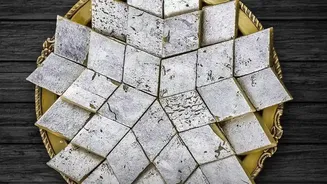
During the festive rush, some sellers may use adulterants to cut costs and increase volume. Khoya (milk solids) is a primary target, often mixed with starch, flour, or even mashed potatoes to add bulk. A simple way to test for starch is to dissolve a small piece of the sweet in warm water and add a drop of iodine solution; if it turns blue, starch is present. Another common issue is the silver leaf (vark) used for decoration. Genuine silver vark is delicate and will dissolve when rubbed between your fingers. If it rolls into a small ball, it is likely aluminium, which can be harmful. Ghee is also frequently adulterated with cheaper vegetable oils or vanaspati, which can cause digestive issues.
The Shop's Hygiene and Licensing
The environment where the sweets are sold speaks volumes about their quality. Choose shops that are clean and well-maintained. FSSAI hygiene requirements mandate that display counters be covered to protect from dust and flies, floors be clean, and staff maintain personal hygiene. A reputable sweet shop will also prominently display its FSSAI license or registration number. This license is not just a piece of paper; it signifies that the business is registered with the food safety authority and is subject to inspection and accountability. Buying from a licensed vendor provides an extra layer of assurance, as they are more likely to follow prescribed safety and quality standards.
Why Festive Inspections Matter
Recognising the increased risks during this period, the FSSAI regularly directs state authorities to conduct special inspection drives ahead of festivals like Diwali. In late September 2026, a nationwide directive was issued to increase surveillance, focusing on milk products, sweets, and ghee. These drives involve collecting samples for testing and deploying mobile 'Food Safety on Wheels' vans to busy markets for on-the-spot checks. While these inspections help catch offenders, they also serve as a reminder for consumers to remain vigilant. The guidelines used by inspectors—checking for dates, proper hygiene, and pure ingredients—are the same ones you can use to protect your family.