








For Families and Students: A Confusing Quest
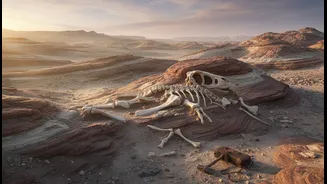
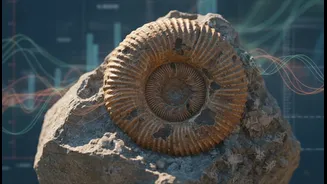
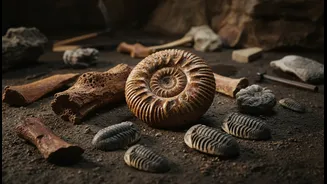
Engaging children with science through fossil hunting is a wonderful, hands-on way to spark curiosity. Families comb riverbeds and hillsides, hoping to find an ammonite or a fossilised leaf, turning a simple outing into a treasure hunt through deep time.
However, the excitement often hits a wall of ambiguity. Unlike antiquities, which are protected under the Antiquities and Art Treasures Act of 1972, India currently has no specific law to govern the collection, ownership, or sale of fossils. This leaves well-meaning students and families in a grey area. Can you keep what you find? Should you report it? To whom? This lack of clarity stands in contrast to the significant role that amateur or 'avocational' paleontologists play in science elsewhere, where collaboration between hobbyists and professionals has led to major discoveries. Without clear guidelines, India risks discouraging this potential pipeline of citizen scientists.
For Science: A National Heritage for Sale
The stakes are highest in the conflict between science and commerce. Paleontologists argue that a fossil’s true value lies in its context—the layer of rock it was found in, and what other fossils were found nearby. This information tells a story about ancient ecosystems, evolution, and climate. When a fossil is illegally excavated and sold on the open market, that entire story is lost forever. India has incredibly rich fossil beds, yielding finds like the giant prehistoric snake Vasuki indicus. Yet, without legal protection, these priceless specimens are vulnerable to theft and are sold in global auctions, often becoming luxury collectibles for private individuals. As a result, specimens that could rewrite our understanding of evolution are removed from the public trust, inaccessible to researchers and students in the very country they were discovered. This isn't just a loss for science; it's the erosion of a nation's natural heritage.
For Filmmakers and Fans: The Power of Pop Culture
The guidance needed by filmmakers and, by extension, natural-history fans, is less about law and more about scientific responsibility. For decades, films like those in the Jurassic Park franchise have shaped the public's perception of prehistoric life. While thrilling, they are filled with inaccuracies that have become popular myths. The real Velociraptor was much smaller and feathered, T. rex likely couldn't roar, and Dilophosaurus didn't spit venom. These creative choices matter because they create a skewed public understanding of paleontology. When the public's primary image of a dinosaur is a movie monster, it can be harder to generate appreciation for the painstaking science of studying real fossils. Better guidance and collaboration with paleontologists could help filmmakers create entertainment that inspires awe without sacrificing scientific integrity, fostering a more informed and engaged public.
What 'Better Guidance' Looks Like
Addressing this multi-faceted problem requires a clear, coordinated strategy. Experts and geologists have been championing the need for a comprehensive legal framework in India. The most critical step would be to enact a Fossil Protection Act, similar to the one for antiquities, which would classify important fossils as national heritage, illegal to sell or export without permission. This should be supported by the establishment of a national fossil repository for properly cataloguing and storing significant finds, making them accessible for scientific study. Furthermore, public awareness campaigns and clear, accessible guidelines for amateur collectors can turn them into valuable partners in preservation. By incentivising people to report significant finds, we can foster a culture of stewardship where everyone plays a role in protecting our paleontological treasures.