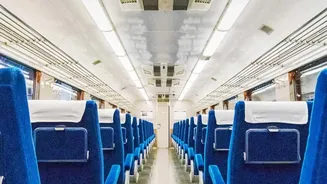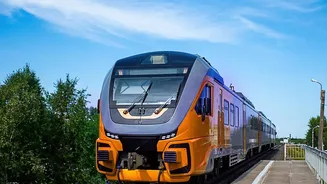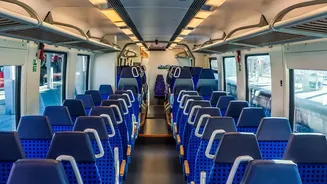







The Vande Bharat experience is positioned as a premium way to travel, and onboard dining is a key part of that promise. Now, in a significant move to elevate food quality, IRCTC is trying a new 'less is more' approach on its sleeper trains.
A 'Quality Over Quantity' Approach
In response
to consistent passenger feedback and complaints regarding food quality and hygiene, the Indian Railway Catering and Tourism Corporation (IRCTC) has initiated a major pilot project. The core idea is simple: reduce the number of items in each meal to improve the quality, freshness, and consistency of what is served. Rather than managing a wide array of dishes, the focus is shifting to perfecting a smaller, core menu. This airline-style approach aims to make quality control easier and more effective, ensuring a better dining experience for every passenger. The trial officially began on November 1, 2026, and its results will be closely watched.
The Three Sleeper Routes on Trial
This significant catering adjustment is not being rolled out across the entire network at once. Instead, the trial is confined to the three routes currently operated by the new Vande Bharat sleeper trains. These long-haul, overnight services are the perfect test bed for the new menu. The routes included in this pilot program are the New Delhi-Varanasi Junction service, the Howrah-Kamakhya (Guwahati) service, and the Mumbai-Bengaluru service. Feedback from passengers on these specific trains will determine whether this compact menu concept is expanded to other long-distance trains in the future.
What's Off the Menu?
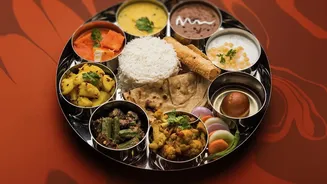
To achieve a more focused meal service, IRCTC has removed several supplementary items from the standard meal trays. For breakfast, items like soup, egg omelette sandwiches, vegetable sandwiches, buttermilk, and chocolates will no longer be included. Similarly, the lunch and dinner platters have been simplified. Accompaniments such as a secondary dry vegetable dish, curd, salad, pickles, and sweets have been cut from the main meal service. The goal is to streamline the entire process from preparation to service, eliminating complexities that could compromise quality.
The New Compact Meal Structure
Under the new trial, the meal itself is more focused. For breakfast, passengers will now be offered a choice between a few core options, such as a plate of idli and vada with sambhar, poha, or upma. Lunch and dinner will consist of four main components: chapati or another bread, rice, dal, and one main course, which will have a vegetarian (paneer or regional vegetable) or non-vegetarian (chicken) option. This change has also reduced the overall weight of a meal from approximately 700-750 grams to a more manageable 450-500 grams. Officials have clarified that this weight reduction comes from removing extra items, not from reducing the portion sizes of the main dishes.
New Kitchens for Higher Standards
A crucial part of this quality-focused initiative is changing how the food is prepared. IRCTC has moved away from some traditional vendors and partnered with major cloud kitchens and established hospitality groups, including TajSATS and the Sarovar Portico Group. These professional kitchens, which often supply food to airlines and hotels, are equipped for large-scale production while maintaining strict hygiene and consistency standards. By de-linking meal production from on-train pantry operations for these routes, IRCTC aims to bring a new level of professionalism and reliability to its catering, with some zones already reporting a drop in complaints since the new arrangements began.