






The Secret of the Rain Shadow
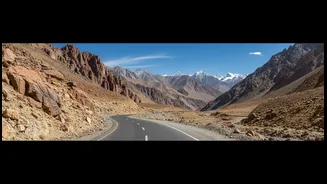
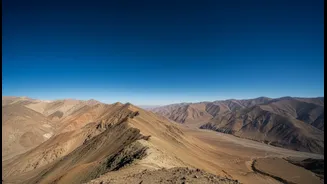
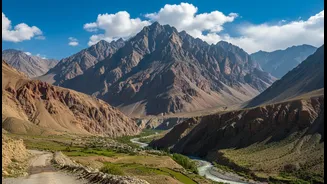
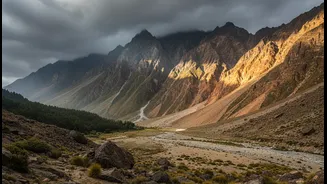
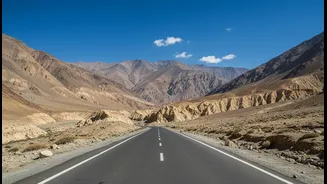
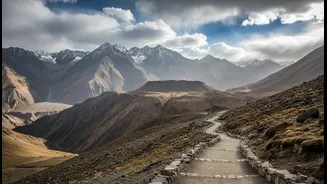
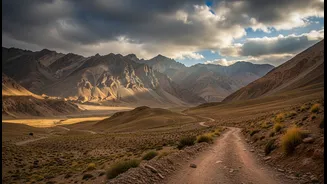
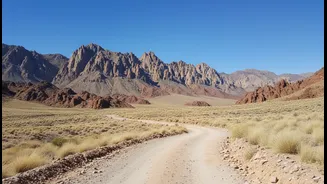
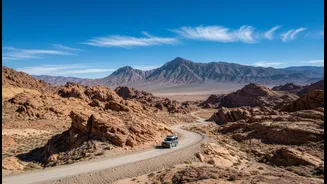
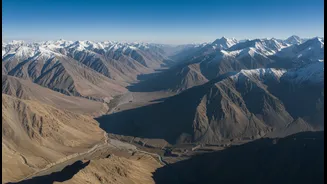
The primary reason Ladakh and Spiti are safe havens during the monsoon is a simple geographical phenomenon: the rain-shadow effect. The mighty Himalayan ranges act as a massive wall, blocking the moisture-laden monsoon clouds that cause heavy rainfall
across the rest of northern India. As these clouds are forced to rise, they shed all their rain on the windward side, leaving the air that passes over to Ladakh and Spiti dry. This makes both regions high-altitude cold deserts that receive minimal rainfall, often less than 15 mm in a peak monsoon month like August, ensuring sunny days and clear skies while other hill stations are drenched.
Ladakh: The Accessible Desert Heaven
Ladakh becomes a prime travel destination from July to September. Thanks to the rain-shadow effect, the internal road network connecting Leh to popular spots like Nubra Valley, Pangong Lake, and Tso Moriri is generally open and in excellent condition. All major high passes within Ladakh, including Khardung La and Chang La, are clear of snow and fully operational. While the region itself is dry and safe, the main challenge lies in reaching it. The highways from Manali and Srinagar pass through heavy monsoon zones prone to landslides and delays. For a completely risk-averse journey, flying directly into Leh is the safest and most reliable option, bypassing the treacherous approach roads entirely.
Spiti: A Rugged, Rewarding Journey
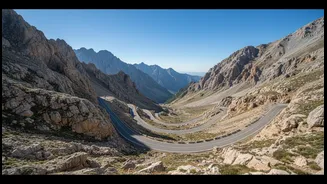
Like Ladakh, Spiti Valley in Himachal Pradesh is a cold desert that receives very little rain, making it an attractive monsoon-season alternative. However, accessing Spiti presents a greater challenge. The shorter route from Manali via the Atal Tunnel and Kunzum Pass is notoriously risky during monsoon, with sections prone to landslides, flash floods, and slush. The more reliable and recommended route is the longer journey from Shimla via the Kinnaur valley. This road is generally more stable, though not entirely without risk, especially in the landslide-prone areas around Malling Nallah. Once you are inside Spiti Valley, however, the weather is typically dry and the roads between key villages like Kaza, Tabo, and Key Monastery are clear.
A Reality Check: Planning Is Everything
It is crucial to understand that while Ladakh and Spiti themselves are dry, they are not entirely risk-free zones. The biggest danger lies on the journey to get there. Roads connecting from the plains, particularly the Manali-Leh highway and the approach to Spiti from Manali, are highly vulnerable to monsoon-triggered landslides, water crossings, and long blockades. Travellers must plan with flexibility. Always build in buffer days into your itinerary to account for potential delays. Check road status updates from the Border Roads Organisation (BRO) and local traffic police daily before setting out. If driving, ensure your vehicle has high ground clearance, and it is always advisable to travel with an experienced local driver who understands the terrain.
Beyond Landslides: Other Factors to Consider
Even with clear weather, travel in this region requires preparation. Acute Mountain Sickness (AMS) is a significant health risk due to the high altitude and is a bigger threat than rain. Proper acclimatisation is non-negotiable, especially if flying directly into Leh. Plan to rest for at least 48 hours upon arrival before undertaking any strenuous activity. Pack for a wide range of temperatures; days can be sunny and warm, with temperatures around 25°C, but nights can drop to 10°C or lower. Essentials should include layered clothing, sunscreen, sunglasses, and waterproof gear not for the rain in Ladakh, but for the potential downpours on the way there.