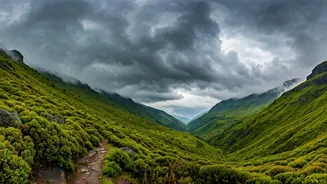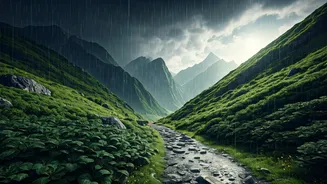




Forget Blue Skies, Embrace the Drama
We’re conditioned to want perfect, sun-drenched days for our outdoor escapades. We check weather apps, reschedule plans, and curse the clouds. But in India, the arrival of the monsoon isn't an inconvenience; it's a celebration. The rain doesn't ruin the landscape;
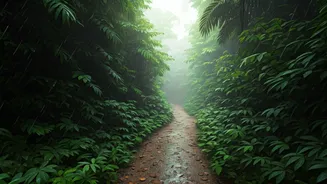
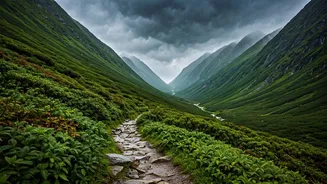
it awakens it. For trekkers, this seasonal shift offers a chance to see nature at its most dramatic and alive. The dry, dusty trails of summer transform into lush, emerald corridors. The air, thick with the scent of wet earth—petrichor—feels cleaner, heavier, and more vital. A monsoon trek isn't about enduring the rain; it's about partnering with it to witness a world reborn.
A Symphony for the Senses
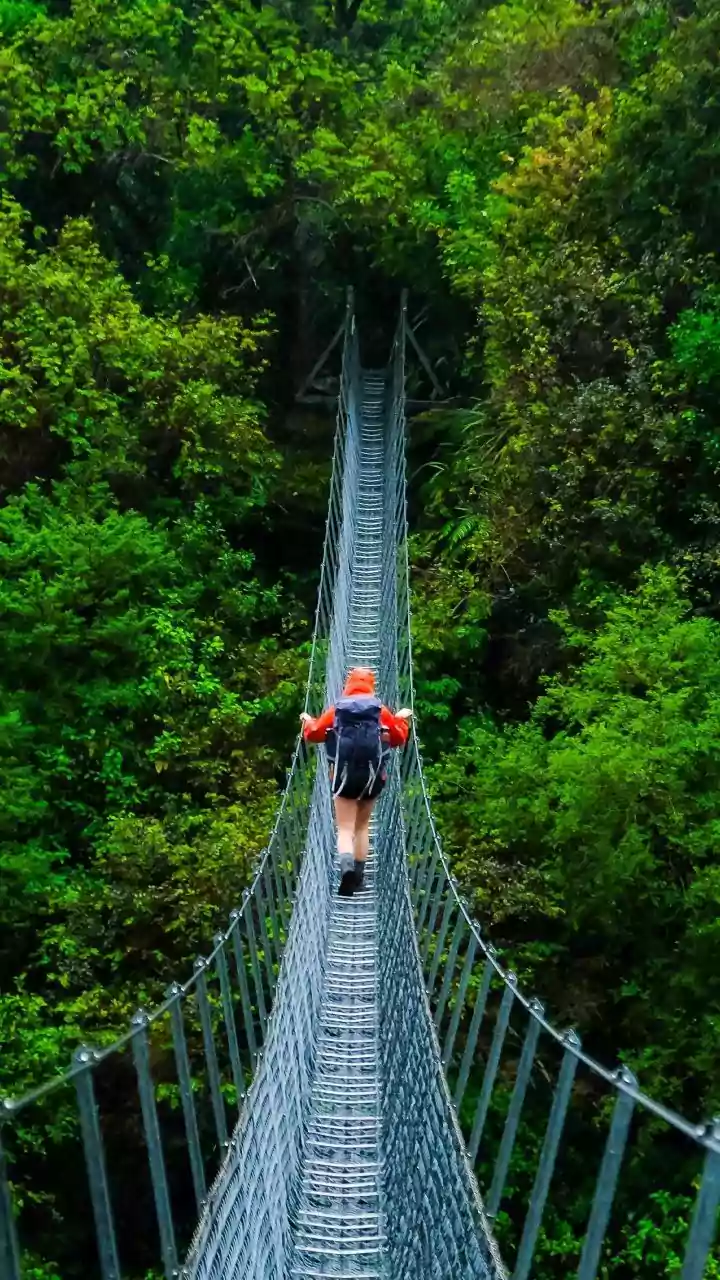
A trek in the rain is a profoundly sensory experience. The world is reduced to the sound of your own breathing and the rhythmic drumming of water on your jacket's hood. Streams that were mere trickles a month ago now roar with newfound power. The constant green, broken only by the vibrant shock of a wildflower or the grey of a misty cliff face, is almost overwhelming. Every stop for a hot cup of chai at a mountainside stall becomes a cherished ritual, the warmth seeping into your cold hands. The usual chatter of crowds often disappears, leaving you with a sense of solitude and a deep connection to the raw, untamed energy of the mountains. You’re not just looking at a view; you’re feeling it in your bones.
Where the Magic Happens
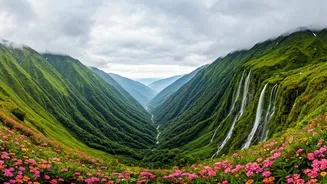
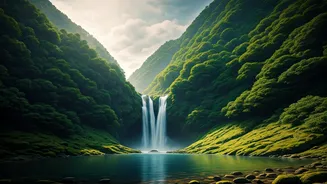
While many trails close for safety, some of India's most iconic treks are at their absolute peak during the monsoon. The Valley of Flowers in Uttarakhand is a prime example. From July to September, this high-altitude valley erupts into a carpet of countless alpine flowers, a spectacle made possible only by the consistent rains. Further south, the Western Ghats in Maharashtra and Karnataka offer a different kind of magic. Treks to places like Lohagad Fort near Lonavala or the misty hills of Coorg become journeys through clouds. Waterfalls cascade over nearly every cliff, and the rolling hills are draped in a hundred shades of green. These aren't just walks; they are pilgrimages into the heart of the monsoon.
Gear Up and Go Smart
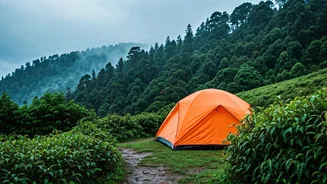
Embracing the rain doesn't mean being reckless. The right preparation is what separates an epic adventure from a miserable, dangerous ordeal. The most crucial investment is a good pair of trekking shoes with excellent grip to handle slippery rocks and muddy paths. Layering is key: a quick-drying base layer, a fleece for warmth, and a completely waterproof and breathable outer shell (jacket and pants). Forget cotton; it absorbs water and stays cold. Pack everything inside your rucksack in waterproof dry bags or, at a minimum, sturdy plastic bags. A waterproof cover for your backpack is non-negotiable. This system keeps you and your essential supplies—like electronics and a change of clothes—dry and functional.
Safety is Not Optional
The beauty of the monsoon comes with inherent risks. Always check the local weather forecast and trail conditions before you set out. Flash floods and landslides are real dangers in hilly regions. If you're unfamiliar with the area, hiring a local guide is the smartest decision you can make. They know the terrain, understand the weather patterns, and can navigate safe routes. Be wary of crossing swollen streams and never underestimate the force of the water. Carry a basic first-aid kit, including antiseptic, bandages, and something to deal with leech bites (a common nuisance in wet forests). Inform someone of your itinerary and expected return time. The goal is to come back with incredible stories, not to become a cautionary tale.