





Step 1: Create Separate Sanctuaries
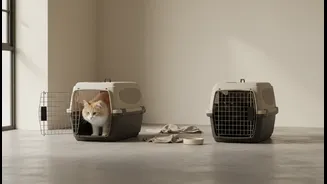
Before your cats ever lay eyes on each other, they need to feel secure in their own territory. Designate a “sanctuary room” for your new cat—a spare bedroom works perfectly. This room should be equipped with everything they need: food, water, a litter
box, a comfortable bed, and toys. This gives the newcomer a safe space to decompress from the stress of a new environment and establish their own scent. Your resident cat, meanwhile, continues to have free reign of the rest of the house, which reassures them of their status and security. This separation is not a punishment; it is the critical foundation for a successful introduction. Do not allow them to have any contact during this initial period, which could last several days to a week.
Step 2: The Power of Scent Swapping
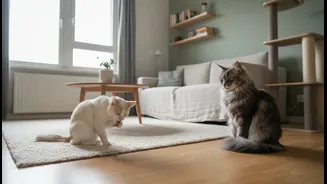
Cats communicate heavily through scent, and this is a tool you must use. Long before they meet face-to-face, they should become familiar with each other's smell. Take a blanket or soft cloth that your new cat has slept on and place it in your resident cat’s territory. Do the same with your resident cat’s bedding, placing it in the new cat’s room. This allows them to investigate the newcomer's scent in a non-threatening way. You can also use socks or brushes to collect scent from their cheeks and head and present it to the other cat. Watch their reactions. Casual sniffing is a great sign. If you see hissing or avoidance, that’s okay—just leave the scented item with some treats to build a positive association. This phase is all about making the other cat’s smell a normal, non-scary part of their environment.
Step 3: Site Swapping and Positive Association
Once both cats are calm about each other's scents, it's time for them to explore each other's spaces. Let your resident cat into the newcomer's sanctuary room (while the new cat is secured elsewhere), and allow the new cat to explore the main house. This immersive scent experience helps them gather more information and become more accustomed to the idea of sharing territory. The next step is building positive associations with the other cat's presence. Start feeding both cats on opposite sides of the closed sanctuary room door. They will smell each other while enjoying something they love—food. Gradually move the food bowls closer to the door with each meal. If a cat is too stressed to eat, move the bowl back a little. The goal is for them to eat calmly, right next to the door, associating the other cat’s presence with a rewarding experience.
Step 4: Gradual Visual Introductions
When the cats can eat peacefully on either side of the door, it’s time for the first visual contact. This must be brief, controlled, and positive. You can use two stacked baby gates in the doorway or simply crack the door open an inch. The key is that they can see each other but cannot make physical contact. Conduct these short viewing sessions while doing something enjoyable, like feeding them special treats or engaging them with a wand toy. Keep the sessions short—just a few minutes at first—and always end on a positive note, preferably before any signs of stress appear. Signs of stress can include a stiff body, wide eyes, a puffed-up tail, hissing, or growling. If you see this, you’re moving too fast. Simply end the session and try again later with more distance between them.
Step 5: Supervised, Short Meetings
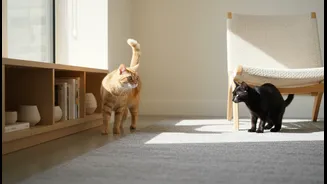
After many successful visual introductions through a barrier, you can allow the first fully supervised meeting in a neutral space. Prop the door open and let them explore. Have toys and treats ready to create a positive atmosphere and redirect attention if things get tense. It's often helpful to have two people present, one to supervise each cat. Expect some hissing or swatting; this is normal communication. However, do not allow it to escalate into a fight. Keep these initial interactions very short, gradually increasing the duration as they become more comfortable. Never leave them unsupervised until you are completely confident they are, if not friends, at least peacefully coexisting. This entire process, from start to finish, can take anywhere from a few days to several months.