




Understanding the Monsoon Risk
The rainy season, while beautiful, significantly increases the risk of foodborne illnesses. High humidity and ambient warmth accelerate the growth of bacteria, viruses, and fungi on food surfaces. Water sources can become contaminated, affecting everything
from the water used to wash produce to the ice in street-side drinks. This combination of factors means that food spoils faster and pathogens thrive, leading to a rise in issues like diarrhoea, stomach infections, and food poisoning. Leafy greens, vegetables with dense florets, and even pre-cut fruits become particularly high-risk if not handled with extreme care.
Your Safe Monsoon Grocery List
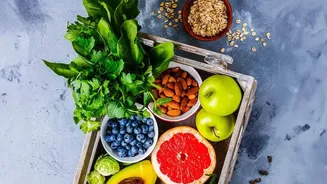
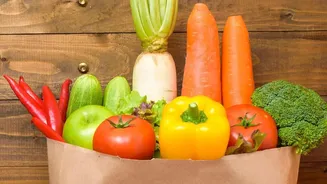
Instead of focusing on what to eliminate, let's start with the array of vegetables that are considered safer and healthier choices during this season. Gourds are your best friends. Vegetables like bottle gourd (lauki), bitter gourd (karela), ridge gourd (turai), and pointed gourd (parwal) are excellent monsoon picks. They have thick skins, are less prone to spoilage, and are typically cooked, which kills harmful microbes. Other good options include okra (bhindi), cluster beans (guar), and peas. When it comes to fruits, opt for those with thick, inedible peels like pomegranates, pears, and plums. Always choose produce that is firm, fresh, and free from bruises or cuts, and buy in smaller batches to ensure you consume it quickly.
Vegetables to Handle with Extra Care
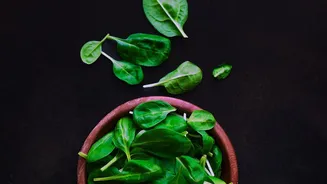
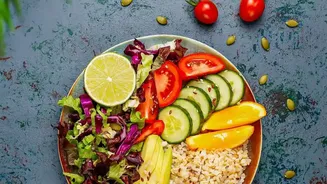
Certain vegetables become problematic during the monsoon. Leafy greens like spinach, lettuce, and cabbage are best limited or avoided, especially in raw form. Their leaves can trap mud, moisture, and microbes, making them difficult to clean thoroughly. Similarly, cruciferous vegetables like cauliflower and broccoli, with their tightly packed florets, can harbor hidden worms and mold that thrive in the damp conditions. If you do choose to eat these, it is imperative that they are meticulously cleaned and cooked thoroughly. Raw salads from outside are a definite no-go, as the risk of contamination from unpurified water and germs is simply too high.
The Art of Washing and Storing
Your job doesn't end at the market. Proper preparation is key to food safety. Wash all fruits and vegetables thoroughly under clean, running water, even if you plan to peel them. For leafy greens or vegetables with crevices, a soak in salt water or a mild vinegar solution can help dislodge germs. After washing, dry produce completely before storing it, as moisture encourages spoilage. Store vegetables in breathable bags in the refrigerator and keep them separate from raw meat and poultry to avoid cross-contamination. Never leave cut fruits or cooked food at room temperature for extended periods; refrigerate them promptly in airtight containers.
A Word on Street Food and Proteins
The temptation of street food is strongest during a downpour, but this is when it poses the highest risk. Issues with water quality and hygiene are magnified during the monsoon, making items like pani puri, raw chaat, and pre-cut fruit salads particularly hazardous. If you must indulge, opt for items that are prepared fresh in front of you and served piping hot. For non-vegetarians, be extra cautious with meat and seafood. Purchase from clean, reputable sources and ensure it is cooked to a safe internal temperature. High humidity can cause faster spoilage, so proper refrigeration and prompt consumption are critical.