


First, What Are Proteins and Amino Acids?
Think of protein as a vital structure in your body, essential for everything from building muscle to repairing tissue and supporting your immune system. Now, imagine that structure is built from tiny Lego bricks. Those bricks are amino acids. Our bodies
use 20 different amino acids to function. Of these, nine are called 'essential amino acids' because our bodies can't make them; we must get them from the food we eat. This is where the concepts of 'complete' and 'incomplete' proteins come into play.
Complete vs. Incomplete: What's the Difference?
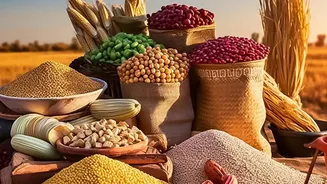
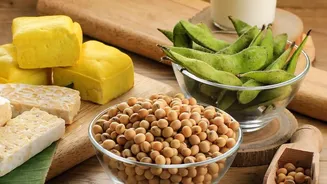
A 'complete protein' is a food source that contains all nine essential amino acids in adequate amounts. Animal products like meat, eggs, and dairy are classic examples of complete proteins. On the other hand, most plant-based foods, such as grains, nuts, and legumes, are considered 'incomplete proteins'. This doesn't mean they are bad; it simply means they are low in one or more of the essential amino acids. For instance, many grains are low in an amino acid called lysine, while legumes are often low in methionine. But this is where nutritional synergy comes in.
Decoding Protein Quality Scores
You might hear terms like PDCAAS or DIAAS. These are scientific scoring systems that measure a protein's quality based on two main factors: its amino acid profile and how well the body can digest and absorb it. The PDCAAS (Protein Digestibility Corrected Amino Acid Score) is a widely used method that scores proteins on a scale from 0 to 1.0, with 1.0 being the highest quality. Animal proteins typically score a 1.0. Many plant proteins score lower because they might be missing an essential amino acid or be less digestible. But this score doesn't tell the whole story, especially when you start combining foods.
The Magic of Pairing: How It Works
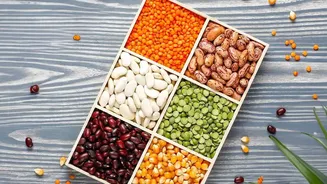
This is where the wisdom of traditional diets shines. The concept of pairing grains and legumes is about creating a complete amino acid profile by combining two incomplete sources. Since grains are typically low in lysine but have enough methionine, and legumes are rich in lysine but low in methionine, eating them together fills each other's nutritional gaps. This combination creates a meal that provides all nine essential amino acids, effectively forming a 'complete protein' on your plate. It's a simple yet brilliant strategy that has been a cornerstone of cuisines around the world for centuries.
Classic Indian Pairings You Already Love
Chances are, you're already practicing protein completion without even realising it. Indian cuisine is filled with delicious examples of this principle in action. Think of dal and rice (dal-chawal), a classic where the lentils' lysine complements the rice's methionine. Other perfect pairings include rajma with roti or rice, chana masala served with bhature, and the South Indian staples of idli and dosa, which are made from a fermented batter of rice and urad dal. Khichdi, a comforting mix of rice and moong dal, is another prime example of a complete protein meal.
Myth-Busting: Do You Need to Pair at Every Meal?
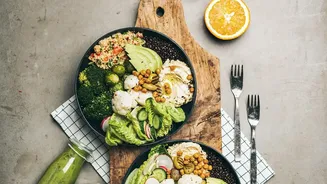
For a long time, it was believed that you had to eat complementary proteins in the same meal for your body to use them. However, modern nutritional science has shown this isn't necessary. Your body is smart; it maintains a pool of amino acids throughout the day. This means as long as you eat a variety of plant-based protein sources—like legumes, grains, nuts, and seeds—over the course of a day, your body can pull what it needs to make complete proteins. So, you could have dal for lunch and roti for dinner and still get the full benefit.