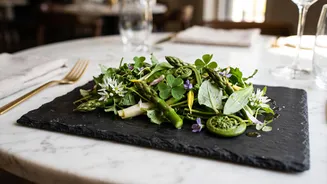


A quiet revolution is taking root in India’s fine-dining kitchens. Chefs are turning away from imported luxuries and looking toward the forests and fields of Central India for inspiration, rediscovering a treasure trove of wild leafy vegetables. These
foraged greens, long a part of tribal diets, are now being celebrated for their unique flavours, powerful nutritional profiles, and connection to a more sustainable way of eating.
From Forest Floor to Five-Star Plate
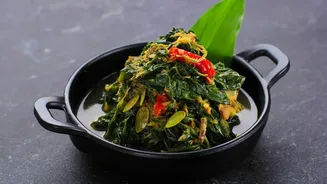
For generations, indigenous communities across Central India have relied on the bounty of the forest, gathering 'ranbhajis' or wild vegetables for sustenance. These plants, which grow without any human intervention, were often dismissed as mere weeds by urban populations. Now, a new generation of chefs is challenging this perception. They are venturing into these ancient ecosystems, learning from local foragers, and bringing ingredients like tender fern shoots, wild amaranth, and unique monsoon greens back to their professional kitchens. This 'forest-to-table' movement is not just a trend; it's a rediscovery of India's immense biodiversity and a nod to the deep culinary wisdom held by its tribal communities.
The Richness of 'Ranbhaji'
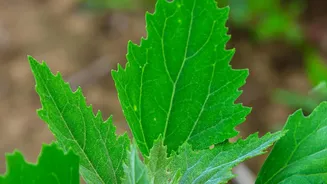
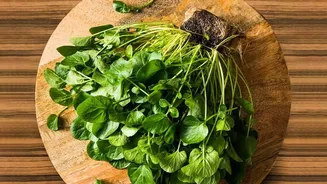
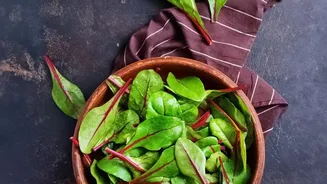
The term 'ranbhaji' encompasses a vast array of wild edible plants. In regions of Maharashtra and Madhya Pradesh, this can include dozens of species, each with a distinct taste and texture. For example, 'takla' (Cassia Tora) is a leafy green that appears during the monsoon and is prized for its unique flavour. Others include 'kudachya shenga', a type of wild bean pod, and various edible ferns that offer a crisp, fresh taste. Many of these greens, like 'gongura' or wood sorrel ('huli soppu'), have a naturally tart flavour, while others are earthy and robust. This diversity provides chefs with a completely new palette of flavours that cannot be replicated by commercially cultivated vegetables.
A Nutritional Powerhouse
Because these vegetables grow wild, they are inherently organic, free from pesticides and chemical fertilizers. Their nutritional value is often superior to their cultivated counterparts. Wild greens are frequently packed with micronutrients, including vitamins A, C, and K, as well as essential minerals like iron and calcium. For instance, some traditional greens have been found to contain significantly more vitamins than common vegetables like spinach. This nutrient density is a direct result of growing in their natural, undisturbed habitat. Foraging connects us to foods that are not only cleaner but also richer in the very elements our bodies need to thrive, representing a pure form of nutrition that is increasingly rare in our modern food system.
The Sustainability Equation
Foraging, when done responsibly, is the epitome of sustainable eating. It requires no tilling of land, no irrigation, and no artificial inputs, carrying a near-zero carbon footprint. The practice supports biodiversity by valuing a wide range of plants rather than relying on monoculture crops. Furthermore, this growing interest in foraged foods provides a vital economic incentive for the indigenous communities who are the traditional custodians of this knowledge. By creating a market for these wild greens, chefs and consumers can help preserve not just the plants themselves, but also the cultural heritage and livelihoods of the people who have protected these ecosystems for centuries.
Chefs Championing the Movement
Across India, visionary chefs are leading this charge. Chef Thomas Zacharias, formerly of The Bombay Canteen, famously collaborated with organisations like OOO Farms to bring wild edibles from the Western Ghats to urban diners in Mumbai. His work demonstrated that ingredients once considered 'humble' could be the star of a gourmet dish. Similarly, chefs like Vanika Choudhary of Noon and Prateek Sadhu of NAAR are building their menus around foraged and hyper-local ingredients, from Himalayan fiddlehead ferns to greens found in the forests of Maharashtra. These culinary pioneers are not just cooking; they are telling a story about India's ecological heritage, one plate at a time.