


The Monsoon Paw Problem: Why Rain Is a Risk
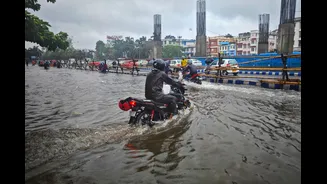
During India's monsoon season, the combination of high humidity and frequent rain creates the perfect environment for fungi, like yeast, to thrive. When your dog walks on wet grass and splashes through puddles, moisture gets trapped between their toes
and in the crevices of their paw pads. This damp, warm space is an ideal breeding ground for fungal overgrowth, leading to a condition known as pododermatitis, which is the inflammation of the skin on the paws. While a small amount of yeast and bacteria on your dog's skin is normal, excessive moisture disrupts this balance and can lead to uncomfortable and often painful infections.
Know the Warning Signs: How to Spot an Infection
Early detection is key to preventing a minor irritation from becoming a serious infection. Be vigilant and check your dog’s paws regularly for any changes. One of the most common first signs is your dog excessively licking or chewing at their paws. Other symptoms to watch for include: redness and inflammation, especially between the toes; a musty or yeasty odour often described as smelling like corn chips; brown or reddish staining on the fur from saliva; and visible skin changes like scaling, crusting, or swelling. In more advanced cases, your dog may show signs of pain, limp, or be reluctant to walk.
Your Post-Walk Paw Care Routine
A consistent cleaning and drying routine after every single walk is the most effective preventative measure you can take. It only takes a few minutes and can save your dog a lot of discomfort. First, as soon as you get inside, gently wash your dog’s paws with lukewarm water or wipe them thoroughly with a clean, damp cloth or pet-safe wipes to remove mud and debris. Pay special attention to the areas between the toes, as this is where moisture and dirt love to hide. After cleaning, the most critical step is to dry the paws completely. Use a soft, absorbent towel and pat the paws dry, ensuring you get between each toe. Do not rub, as this can cause irritation. For long-haired breeds, keeping the fur between the paw pads trimmed short can make drying much faster and more effective.
Helpful Tools and Preventative Aids
While a simple towel is effective, a few other tools can make paw care easier. Microfiber towels are highly absorbent and can speed up the drying process. Some pet owners find a no-rinse foaming paw cleanser useful for quick clean-ups. If your dog has particularly sensitive pads, applying a thin layer of a protective paw balm or wax before walks can create a barrier against moisture. Dog booties are another excellent option for keeping paws completely dry, but only if your dog tolerates wearing them. It's best to introduce booties gradually with plenty of positive reinforcement. Regardless of the tools you use, consistency is what matters most.
When You Need to See a Veterinarian
The advice here is for prevention. If you notice any of the signs of infection, such as persistent licking, redness, swelling, discharge, or a bad odour, it is crucial to consult a veterinarian. Self-diagnosing or using home remedies without professional guidance can make the problem worse or delay proper treatment. A veterinarian can accurately diagnose the issue, which may involve a physical exam or skin scrapings to identify the specific fungus or bacteria. They can then prescribe the appropriate treatment, which may include medicated shampoos, topical creams, or oral medications to resolve the infection and address any underlying causes like allergies.