





The Current Picture: What's Getting Expensive?
Food inflation remains a persistent concern for Indian households, with the cost of food rising 5.52% in July 2026 compared to the previous year. Recent reports from August 2026 indicate a shift in what's driving these increases. While vegetable prices
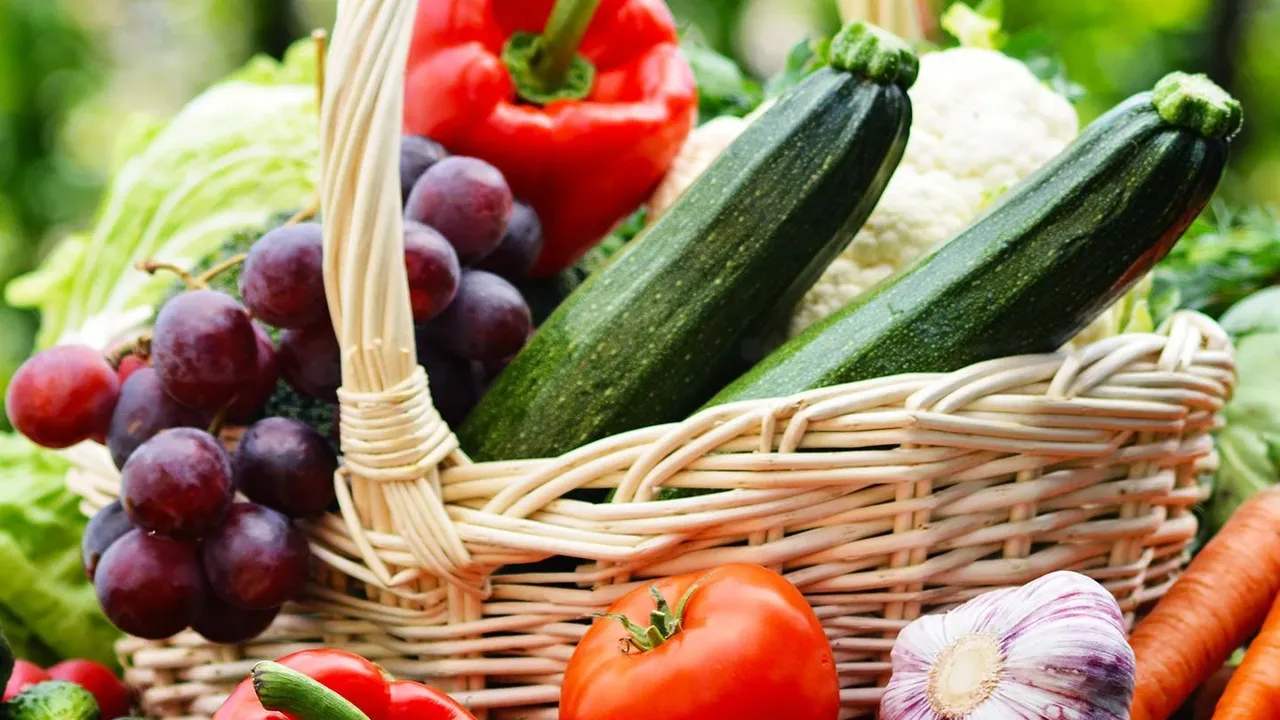
for items like ginger and garlic have seen sharp hikes, the broader pressure is now coming from protein-rich items like chicken, fish, and mutton, as well as staples like arhar dal, edible oils, and processed foods. This means that simply swapping one vegetable for another may no longer be enough. A smarter, more holistic approach to grocery spending is needed to effectively manage your budget in the face of these widespread price hikes. Understanding these trends is the first step to making informed decisions at the market.
What To Cut: Making Smart Sacrifices
The fastest way to reduce your grocery bill is to identify and reduce non-essential, high-cost items. Start by looking at processed and packaged foods, which are significant contributors to rising food inflation. This includes snacks, biscuits, soft drinks, and ready-to-eat meals. These items offer low nutritional value for their price and can be easily cut or replaced with homemade alternatives. For example, instead of buying packaged snacks, consider making them at home for a fraction of the cost. Similarly, limit the purchase of expensive, pre-cut vegetables and fruits; buying them whole is almost always cheaper. Another area to evaluate is premium brands. Often, a store's own brand or a local, unbranded equivalent for staples like rice, dal, and spices offers similar quality at a lower price point. Making these small cuts can lead to significant savings over time.
How To Compare: Finding the Best Value
Becoming a savvy shopper is all about comparison. Don't assume your usual store is always the cheapest. Compare prices between your local kirana store, larger supermarkets, and online grocery platforms. While supermarkets might offer discounts on bulk purchases and branded goods, kirana stores can be more competitive for loose items and often offer the flexibility of buying smaller quantities, which helps prevent waste. Look at unit prices, not just the sticker price. A larger pack may seem more expensive upfront, but the cost per kilogram or per 100 grams might be lower, offering better value for non-perishable items like flour, oil, and lentils that you use regularly. Also, make it a habit to buy fruits and vegetables that are in season. Seasonal produce is not only fresher and more nutritious but also significantly cheaper as it is available in abundance.
How To Plan: Minimising Waste and Maximising Meals
A little planning goes a long way in stretching your food budget. The single most effective strategy is weekly meal planning. Before you shop, decide what you'll cook for the week and create a detailed grocery list based on those meals. This prevents impulse buys and ensures you purchase only what you need. Sticking to your list is crucial. Planning also helps you reduce food waste, a major hidden cost for many households. An estimated 50 kg of food is wasted per person annually in Indian homes. To combat this, practice the 'First In, First Out' (FIFO) method: when you unpack groceries, move older items to the front of your fridge and pantry so you use them first. Get creative with leftovers; leftover rice can become fried rice, and leftover dal can be used to make parathas. Using every part of your ingredients, like using vegetable peels for broth, further reduces waste and extracts maximum value from your purchases.