




What Makes a Cracker 'Green'?
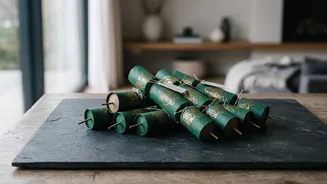
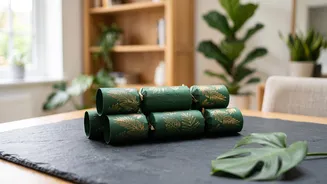
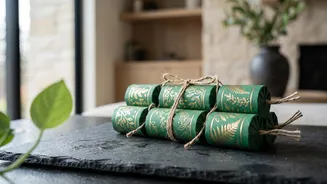
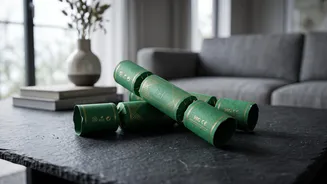
First, it's important to clarify that 'green crackers' are not green in colour. The term refers to their environmental impact. Developed by the Council of Scientific and Industrial Research (CSIR-NEERI), these fireworks have an improved chemical formulation.
They are designed to reduce particulate matter emissions by at least 30% compared to traditional crackers. Critically, they are manufactured without harmful chemicals like arsenic, mercury, and barium nitrate, which are known pollutants. The goal of green crackers isn't to be silent or smokeless, but to offer a less polluting alternative that still brings the signature light and sound to the festival of lights.
The Official Sound Limit
Noise is a major concern during Diwali. To combat noise pollution, the Supreme Court has set clear limits. The manufacture, sale, or use of any firecracker that generates noise exceeding 125 decibels (dB) at a distance of four metres from the point of bursting is prohibited. To put that into perspective, 125 dB is louder than a rock concert and is near the human threshold for pain. For joined firecrackers, often called 'laris' or series crackers, the total noise level is even more restricted. While the Supreme Court has recently considered the rules around next-generation joined crackers, the general ban on high-decibel 'laris' that create prolonged noise remains a key part of the regulations aimed at protecting public health.
Permitted Hours for Bursting Crackers
Timing is everything. A nationwide rule established by the Supreme Court restricts the bursting of crackers on Diwali night to a specific two-hour window, typically between 8 PM and 10 PM. This guideline aims to balance festive traditions with the community's right to peace and quiet. However, it's essential to check local regulations. State governments and even district administrations have the authority to modify these timings. For example, some states may have different two-hour slots, and in environmentally sensitive areas like Delhi-NCR, stricter rules, including complete bans, have been enforced in past years depending on the air quality situation. Always follow the most current order for your specific area.
How to Identify Genuine Green Crackers
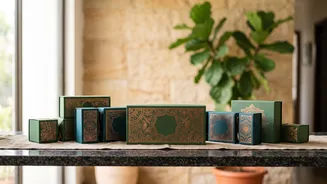
With many counterfeit products in the market, identifying authentic green crackers is crucial for a legal and safe celebration. Genuine green crackers have two key identifiers on their packaging. First, look for the official green CSIR-NEERI logo. Second, and most importantly, find the QR code printed on the box. You can scan this code with your smartphone. A genuine code will direct you to a page verifying the manufacturer's licence and product details. If a box is missing the logo or the QR code is fake—leading to a dead link or an unrelated website—the product is not a legitimate green cracker. Buying only from licensed sellers and verifying the packaging are the best ways to avoid illegal fireworks.
Penalties for Breaking the Rules
Ignoring the regulations on firecrackers can lead to serious consequences. The penalties vary by location and the nature of the violation but are enforced across the country. Anyone found selling or using banned crackers, or bursting any crackers outside the permitted time window, can face legal action. This can include fines and even imprisonment. Charges can be filed under provisions of the Indian Penal Code (IPC) for causing a public nuisance or under the more stringent Explosives Act for the illegal sale, storage, or manufacture of fireworks. Police departments in major cities actively monitor for violations during the festive period to ensure public safety and compliance with court orders.