



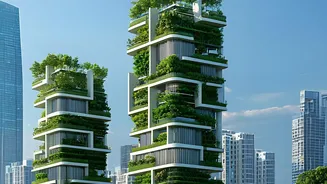
A sun-drenched balcony can feel more like a liability than a luxury during hot months. But what if you could transform that heat trap into a cool, green oasis? Vertical planting systems offer a clever solution, creating shade and natural cooling.
The Science of Natural Air-Conditioning
The primary
cooling magic of a vertical garden comes from a process called evapotranspiration. Think of it as plants sweating. They draw water up from their roots and then release it as cool water vapour through tiny pores in their leaves. This process uses heat energy from the surrounding air, actively lowering the ambient temperature. A dense collection of plants on a vertical wall creates a microclimate, a pocket of air that is noticeably cooler and more humid, making the entire balcony feel more pleasant. Studies have shown that areas with dense vegetation can be several degrees cooler than surrounding non-green areas.
A Living Wall of Shade
Beyond active cooling, a vertical garden provides straightforward shade. The dense foliage acts as a living curtain, physically blocking the sun’s rays from hitting your balcony floor and walls. This is especially crucial for balconies that face south or west and receive intense, direct sunlight. More importantly, this green barrier prevents the building's facade itself from absorbing and radiating heat back into your space, a major source of discomfort. By intercepting the sunlight, the plants keep the building materials cooler, which can reduce energy costs for cooling the adjacent indoor rooms. The insulating layer of stagnant air between the foliage and the wall further enhances this effect.
Choosing the Right System
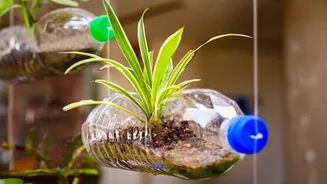
Vertical gardening is not a one-size-fits-all solution; several systems are ideal for compact balconies. Fabric pocket planters are lightweight and excellent for herbs and small annuals. Modular grid systems allow you to arrange individual pots on a frame, making it easy to swap out plants. For renters, freestanding tiered or ladder-style planters offer verticality without needing to drill into walls. If you have a sunny wall, a simple trellis can support climbing plants, creating a lush green facade with minimal footprint. Each system has its pros and cons regarding cost, maintenance, and the types of plants it can support.
Best Plants for Sunny Indian Balconies
For a vertical garden in a sun_exposed spot in India, choosing heat_tolerant plants is key to success. Dwarf varieties of Bougainvillea thrive in the sun and provide brilliant colour. Many succulents work well, as they are adapted to dry, hot conditions. Trailing plants like the Money Plant and Spider Plant are hardy and fill out a wall quickly, though they may prefer bright, indirect light over scorching direct sun. For edible options, herbs like mint and basil can flourish if watered consistently. Flowering plants like Portulaca and Lantana are also excellent choices for full_sun conditions, adding vibrant blooms to your vertical display. When selecting plants, always consider your specific local climate and the amount of direct sun your balcony receives daily.
More Than Just Cooling
While the cooling and shade are significant benefits, vertical gardens offer more. They act as natural air filters, trapping dust and pollutants to improve the air quality in your immediate vicinity. The greenery can also dampen sound, reducing noise from the street below. Furthermore, interacting with plants and being surrounded by nature, even on a small balcony, is known to reduce stress and improve mental well_being. A vertical garden transforms an underused space into a productive, beautiful, and restorative retreat.