
Saturn Takes Centre Stage
October’s main event features the stunning ringed planet, Saturn. On October 4, Saturn will be at opposition, meaning Earth is positioned directly between it and the Sun. This alignment makes it the best time of the year to view the planet, as it will be at its
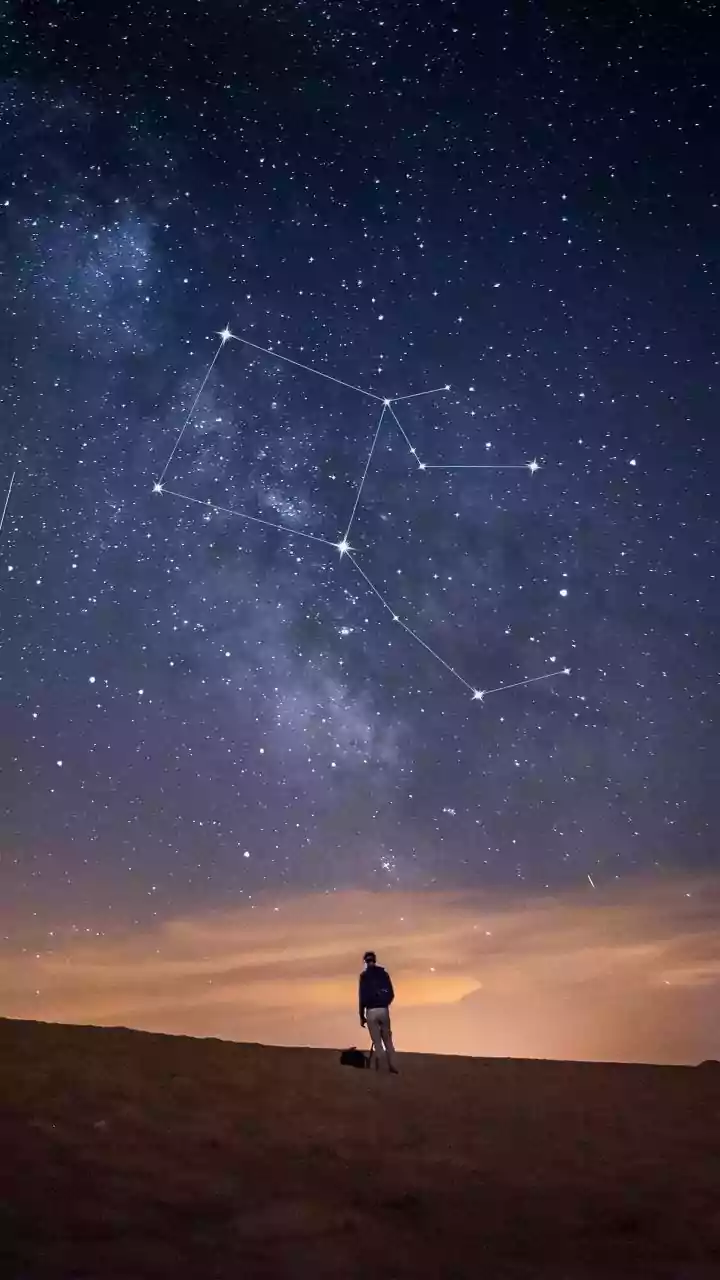
closest, biggest, and brightest. You won't need a telescope to spot it; Saturn will look like a bright, steady, yellowish point of light rising in the east around sunset and remaining visible all night long. To find it, look for a bright 'star' in the constellation Cetus, below the large Great Square of Pegasus. While visible to the naked eye, even a small telescope will provide a breathtaking view of its iconic rings, which are now tilted favourably towards us.
Jupiter's Dazzling Morning Appearance
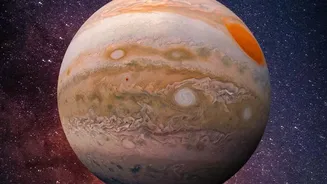
Not to be outdone, the king of planets, Jupiter, will dominate the pre-dawn sky. Look towards the east in the early morning hours to see this brilliant, white beacon. Throughout October, it will be a constant bright presence, making it an easy target for early risers. A special event occurs on the morning of October 6, when a waning crescent Moon will pass very close to Jupiter, creating a beautiful pairing in the sky. For observers in some parts of the world, the Moon will even briefly pass in front of the planet in an event called a lunar occultation. Even without a telescope, the sight of the Moon and Jupiter close together will be a memorable way to start the day.
Catch the Orionid Meteor Shower
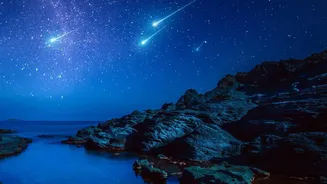
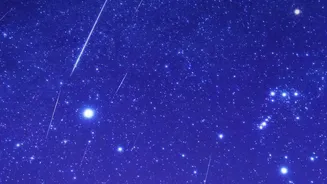
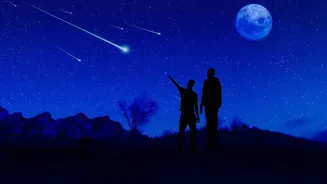
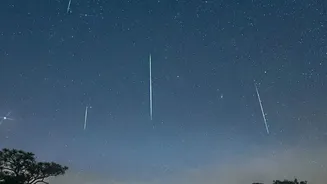
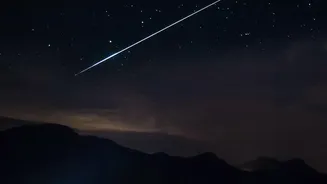
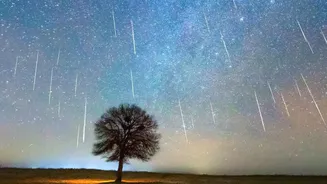
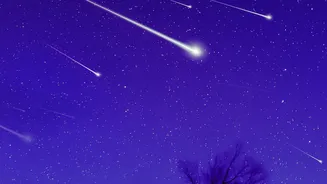
October also brings one of the year's most beloved meteor showers: the Orionids. These shooting stars are actually tiny pieces of debris left behind by the famous Halley's Comet. The shower peaks on the night of October 21 and into the early morning hours of October 22. Under ideal dark-sky conditions, you could see between 15 and 20 meteors per hour. This year, a bright waxing gibbous Moon will be present during the peak, which might wash out the fainter meteors. For the best chance of seeing them, plan to watch in the few hours before dawn, after the Moon has set. The meteors will appear to radiate from the constellation Orion but can streak across any part of the sky.
Tips for the Best Stargazing
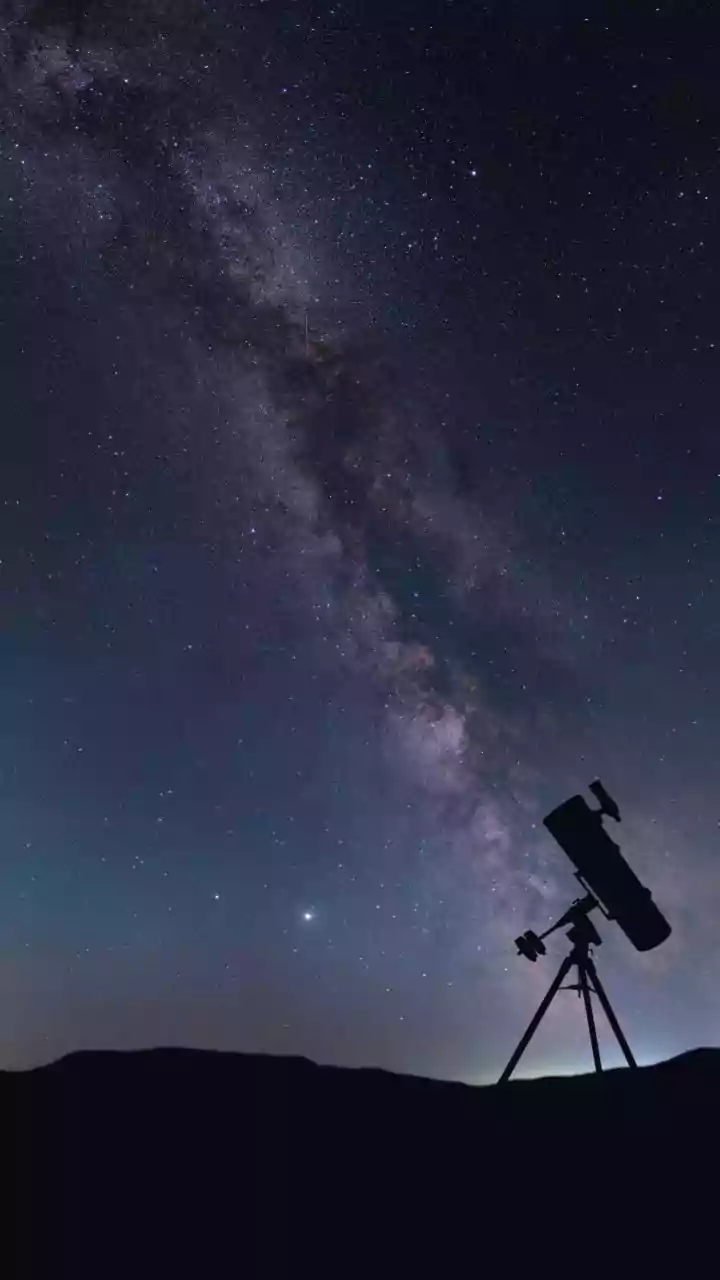
To make the most of these celestial events, a little preparation goes a long way. The most important step is to find a location away from bright city lights. Light pollution drastically reduces what you can see. Give your eyes at least 15-20 minutes to fully adapt to the darkness; this will help you spot fainter objects like meteors. While the planets are bright enough to be seen from urban areas, a dark site will make the experience much more immersive. You don’t need special equipment for most of these events, as your eyes are the best tool for watching a meteor shower. For Saturn's rings and Jupiter's moons, a pair of binoculars or a small telescope will reveal incredible detail. Finally, be patient, get comfortable, and enjoy the show above.