


First, Check the Light
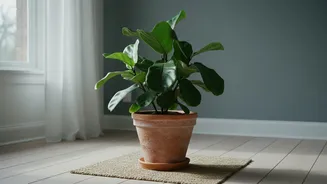
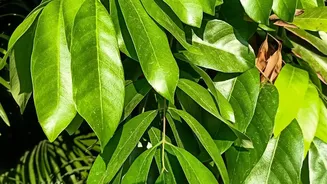
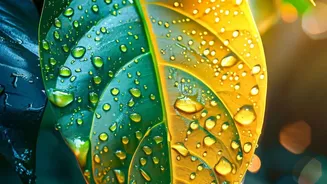
A plant's health is deeply connected to the light it receives. Both too much and too little can cause distress that mimics the need for a new pot. If your plant is getting too much direct sun, you might notice scorched, faded, or dull-looking leaves.
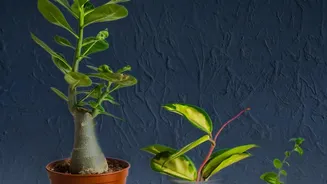
On the other hand, insufficient light often causes a plant to become 'leggy'—stretching towards the light source with long gaps between its leaves. New leaves may also be smaller than usual, or a colourful plant might start turning a dull green. Before doing anything else, assess your plant’s position. Try moving it to a spot that better matches its needs—away from a harsh, south-facing window or closer to a bright, east-facing one—and observe it for a couple of weeks. Sometimes, a simple change of scenery is all it takes.
Next, Assess Your Watering Habits
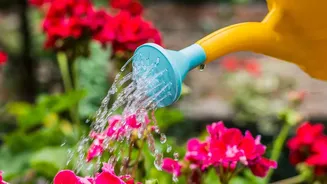
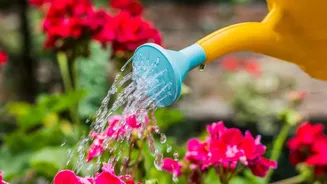
Watering issues are the most common cause of houseplant decline. The symptoms of overwatering and underwatering can look surprisingly similar, often leading to confusion. Yellowing lower leaves, a wilting plant despite moist soil, and a musty smell are classic signs of overwatering and potential root rot. This happens when roots are suffocated and can't absorb water or nutrients. Conversely, if your plant's leaves are crispy, have brown tips, or are drooping and the soil is bone dry, it’s likely thirsty. The best way to know for sure is to check the soil. Stick your finger about an inch deep. If it's soggy, hold off on watering. If it's completely dry, give it a thorough drink until water runs out of the drainage hole. Adjusting your watering routine to be more consistent can solve many problems.
Inspect for Unwanted Pests
Before assuming the pot is the problem, look closer for tiny, unwelcome guests. Common houseplant pests like spider mites, aphids, and mealybugs can cause significant damage. Look for fine webbing on the undersides of leaves, which indicates spider mites. Aphids are small insects often clustered on new growth, while mealybugs look like tiny bits of white cotton. Another sign can be a sticky or shiny residue on the leaves or nearby surfaces. If you spot any pests, isolate the plant immediately to prevent them from spreading. Many infestations can be treated by wiping the leaves with a damp cloth or using a simple solution like neem oil or insecticidal soap, which are readily available at garden centres.
When It Is Time to Repot
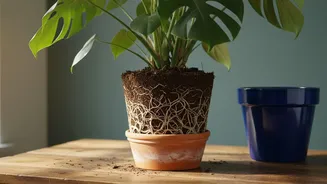
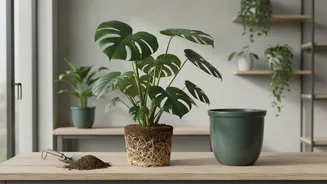
If you’ve ruled out light, water, and pest issues and your plant is still struggling, it might finally be time for a new pot. There are several clear signs that a plant has become 'root-bound' and needs more space. The most obvious is seeing roots growing out of the drainage holes at the bottom of the pot. Another key indicator is that the soil dries out extremely quickly, requiring you to water far more often than you used to. You might also notice that the plant's growth has slowed or stopped completely, especially during its growing season, or that new leaves are much smaller than previous ones. If you gently slide the plant out of its pot and see a dense mass of circling roots with very little soil visible, it's a definite sign that it's time for an upgrade.