






The Core Question: Which Is Safer?
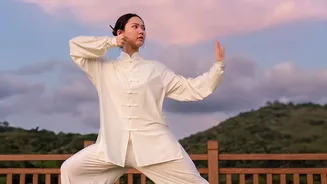
Let's be direct: Tai Chi is significantly safer for beginners. Described as 'meditation in motion', its slow, controlled movements make it a very low-impact exercise. The risk of injury is exceptionally low, with most reported issues being minor musculoskeletal
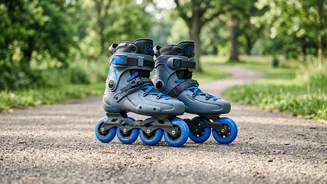
complaints. Falls are rare because the practice itself is designed to improve stability. Skating, whether on quad or inline skates, carries an inherent risk of falling, especially for newcomers. Common beginner injuries include wrist fractures from breaking a fall, ankle sprains, and bruises. While entirely preventable with proper gear and technique, the potential for impact and injury is fundamentally higher in skating than in the gentle, grounded practice of Tai Chi.
Learning Curve and Initial Experience
Tai Chi is designed to be accessible to anyone, regardless of fitness level. You can start feeling the benefits of improved body awareness and relaxation within the first few sessions. While mastering the forms takes a lifetime, the basics are easy to grasp. Skating has a steeper learning curve. The first challenge is simply finding your balance on wheels. Beginners often feel stiff and lean backward, which increases the likelihood of falling. Mastering basic skills like stopping is crucial for safety and can take dedicated practice. While the thrill of gliding can be immediate, true confidence and control take more time to develop compared to the foundational movements of Tai Chi.
Physical Benefits: Cardio vs. Control
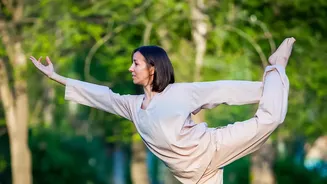
Skating is a powerful cardiovascular workout that builds muscle, increases endurance, and engages your core through dynamic, constant movement. It offers a low-impact alternative to running, causing less shock to the joints while still providing a great aerobic session. Tai Chi, on the other hand, builds strength and balance through slow, deliberate poses and weight shifts. It improves flexibility, posture, and muscle tone without high-impact stress. While some forms are more vigorous, Tai Chi is primarily focused on mind-body connection, coordination, and stability rather than intense cardio.
Mental and Social Perks
Both activities offer significant mental health benefits, but in different ways. Tai Chi is a meditative practice that reduces stress and anxiety by demanding focus on breath and movement, which quiets mental chatter. It promotes a sense of calm and mindfulness. Many people practice Tai Chi in groups, fostering a quiet sense of community. Skating is often a more social and energetic activity. Whether at a rink or in a park, it provides a fun, freeing experience that can be a great mood booster. The concentration required to skate can also be a form of active meditation, taking your mind off daily worries.
Gear, Cost, and Accessibility
Tai Chi is the clear winner for low cost and accessibility. You don't need any special equipment to start; you can practice in comfortable clothes at home using free online videos, in a park, or by joining a class. Skating requires an initial investment. A good beginner set of skates and essential protective gear—including a helmet, wrist guards, and knee pads—can cost between $100 and $200. Without this gear, the risk of injury rises significantly. While you can skate for free on public pavement, access to smooth, safe surfaces or rinks might be a consideration.