





Understanding This Year's Monsoon Paradox
While long-range forecasts may have suggested a 'below-normal' August overall, the reality on the ground is one of intense, active monsoon spells. The India Meteorological Department (IMD) has forecast widespread, heavy to very heavy rainfall in bursts
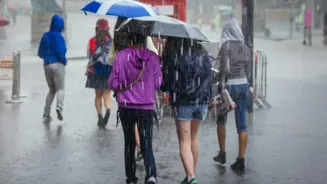
across northern, eastern, central, and southern India. Regions like Kerala, Assam, Uttarakhand, and the Konkan coast are experiencing intense downpours leading to floods and landslides. Even major cities like Delhi are facing severe waterlogging and traffic disruption. This volatility—calm periods punctuated by severe weather—makes travel planning exceptionally tricky. It's not about constant rain, but about the high impact of sudden, concentrated downpours that can derail the most carefully planned itinerary.
The Domino Effect on Your Itinerary
Heavy rain doesn't just make you wet; it triggers a chain reaction of travel chaos. For air travellers, it can mean waterlogged runways causing flight delays, diversions, or outright cancellations. On the roads, the challenges are even greater. Minor routes can become impassable due to local flooding, while major highways face the dual threat of gridlock and, in hilly areas, landslides. Recent days have seen hundreds of roads blocked in states like Himachal Pradesh. The rail network, while robust, is also vulnerable to waterlogged tracks, which can lead to significant delays or route changes. A single delayed leg—like a taxi stuck in traffic—can cause you to miss a crucial train or flight, unravelling your entire schedule.
Strategic Buffering: Your Best Defence
The single most valuable commodity for a monsoon traveller is time. Experts strongly advise building buffer days into your schedule, especially if you have critical connections or events. Instead of planning a tight, back-to-back itinerary, allow an extra day between major locations. This cushions you against unexpected delays. For example, if you have an important flight to catch, plan to arrive in the departure city a day early. This strategy transforms a potential travel disaster into a minor inconvenience, allowing you to relax instead of scrambling. Furthermore, ensure you have comprehensive travel insurance that explicitly covers weather-related disruptions.
Mastering the Art of Daily Timing
Beyond long-term planning, your daily travel tactics are crucial. Local wisdom and weather patterns suggest that monsoon rains often intensify in the afternoon and evening. Therefore, scheduling your travel for the morning can be a smart move. Always check the local weather forecast and road conditions before you even step out of your hotel. Avoid travelling on roads at night, particularly in hilly or remote areas where risks of poor visibility and landslides are highest. For short transfers within a city, factor in double the usual travel time. What looks like a 30-minute ride on a map can easily become a two-hour ordeal in monsoon traffic.
Your Digital Toolkit for Monsoon Travel
Technology is your best friend for navigating the monsoon. Before and during your trip, make a habit of checking the official IMD website for the latest forecasts and warnings. Download the apps for any airlines or railway services you're using to get instant notifications about delays or schedule changes. Live traffic apps are indispensable for road travel, helping you spot and hopefully avoid major waterlogging and traffic jams. It is also wise to ask your hotel staff about local conditions each morning, as they often have the most current, ground-level information about which routes are clear and which should be avoided.
Pack Smart, Travel Light
Your luggage can either help or hinder your monsoon journey. Leave the heavy jeans and cottons at home; they take forever to dry and become heavy when damp. Instead, opt for lightweight, synthetic, quick-drying clothes. A sturdy waterproof backpack or a reliable rain cover for your luggage is non-negotiable. Pack at least two pairs of footwear: one pair of waterproof sandals or floaters with a good grip, and another pair of quick-drying shoes. Other essentials include a powerful power bank for long delays, waterproof zip-lock bags for your electronics and documents, a basic first-aid kit, and a potent mosquito repellent.