



More Than Just Pretty Flowers
The first step in creating a wildlife-friendly balcony is a profound shift in thinking: stop asking 'what looks neat?' and start asking 'what lives here, and what does it need to thrive?'. Not all plants are created equal in the eyes of local fauna. Many
popular ornamental plants offer little to no food in the form of nectar or pollen. Native plants, on the other hand, are species that have evolved over thousands of years in a particular region and are perfectly adapted to the local climate and soil. They form the foundation of the local food web, providing essential food and habitat for native insects and birds that have co-evolved with them. By choosing native plants, you provide the specific resources that local wildlife needs to complete their life cycles.
Building a Balcony Food Web
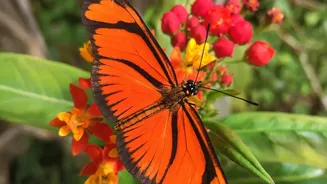
A successful wildlife garden is a functional ecosystem. Your plant choices should aim to create a miniature food web. This means planting for diversity. Nectar-rich flowers like Marigold, Hibiscus, and Lavender attract pollinators such as bees and butterflies, which are essential for plant reproduction. Flowering Tulsi is not only a sacred herb but also a magnet for beneficial insects when it blooms. Some plants, known as 'host plants', are vital for the survival of specific butterfly species; for example, the Curry Leaf plant is where the Lime Butterfly lays its eggs. By including plants that offer seeds, berries, and attract insects, you also create a food source for local birds like sunbirds and sparrows. This layered approach ensures your balcony is a reliable service station for a wide variety of creatures.
Key Plants for an Indian Balcony
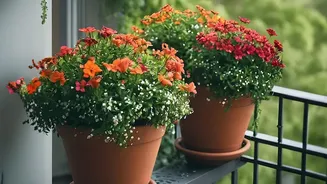
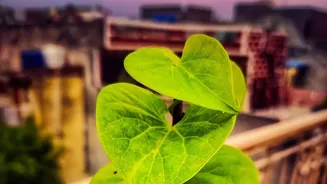
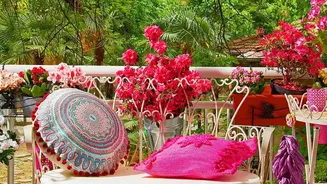
For a sunny Indian balcony, there are many excellent choices. Marigolds are easy to grow, tolerant of the climate, and their bright blooms are a beacon for pollinators. Fragrant flowers like Mogra (Jasmine) fill the evenings with a beautiful scent while serving wildlife. Climbers such as Aparajita (Butterfly Pea) are perfect for small spaces, quickly covering railings and providing nectar-rich, edible flowers. For colour and bird-attracting nectar, consider native Hibiscus or Ixora. Allowing herbs like dill, fennel, and coriander to flower provides another valuable food source. Even vegetable plants like tomatoes and chillies produce flowers that attract pollinators, making your garden productive in multiple ways.
Thinking in Layers and Adding Water
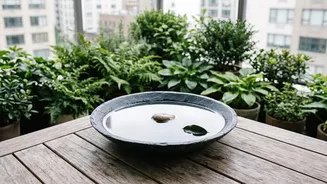
Natural habitats have structure, and you can mimic this even in pots. Use vertical space by incorporating hanging baskets, shelves, and trellises with climbing plants. This creates different levels for shelter and feeding. A few larger potted shrubs can provide important cover and potential nesting sites for small birds. Beyond plants, the single most effective addition to your balcony is a source of water. A shallow dish, refilled regularly to prevent mosquitoes, can be more attractive to birds than food, especially during hot months. Placing a few small stones in the dish gives smaller insects and birds a safe place to perch and drink.
Embrace a Little 'Mess'
A pristine, perfectly manicured balcony is often less friendly to wildlife. Resisting the urge to tidy up too much can provide significant benefits. For example, leaving seed heads on flowers after they have bloomed offers a fantastic food source for seed-eating birds through the winter. A layer of fallen leaves in a large pot can provide shelter for pupating insects, which are next year's butterflies and a food source for birds. It’s also crucial to avoid chemical pesticides. A few chewed leaves are not a sign of failure but an indication that your garden is part of a healthy, functioning food web. Most pests can be managed with a strong jet of water or by encouraging natural predators.