





The New Engines of Growth
The long-held belief that major metropolitan areas are the sole drivers of India's economy is being decisively overturned. Today, the most significant growth in consumer spending, digital adoption, and economic activity is emerging from Tier-2 and Tier-3
cities like Jaipur, Indore, Lucknow, and Coimbatore. These urban centers are no longer just catching up; they are becoming powerful, self-sustaining markets. A recent report highlighted that the affluent population in these cities grew by an astonishing 76% in the last six years, signalling a dramatic increase in purchasing power. This isn't a temporary trend but a structural shift, indicating that the future of India's domestic demand lies in its heartland.
What's Fuelling the Boom?
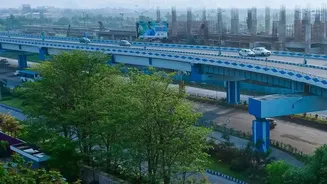
Several powerful forces are converging to drive this transformation. Firstly, massive infrastructure development, including new highways and airports, is shrinking the distance between smaller towns and the economic mainstream. Secondly, the digital revolution has levelled the playing field. With widespread 4G/5G connectivity and affordable data, consumers in cities like Patna and Surat have the same access to brands and trends as their metro counterparts. This digital fluency is reflected in e-commerce trends, with an incredible 66% of new direct-to-consumer (D2C) orders in FY26 originating from Tier-2 and Tier-3 cities. Finally, a demographic dividend is paying off, as nearly 60% of the population in these cities is under 35, entering their peak earning years with confidence and a desire for branded goods and better experiences.
From Needs to Aspirations
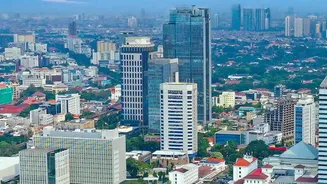
The consumption patterns in smaller cities have evolved far beyond basic needs. Consumers are increasingly spending on aspirational goods and services, including premium brands, better homes, travel, and education. This is evident in the real estate market, where residential prices in 11 key non-metro cities grew 63% in the last five years, outpacing the 42% growth seen in the top eight metros. The demand for luxury housing is also on the rise, driven by enterprise-led wealth and returning NRIs. This shift extends to global spending, with non-metro markets now accounting for 53% of India's total foreign exchange demand for things like international travel and overseas education.
How Businesses Are Responding
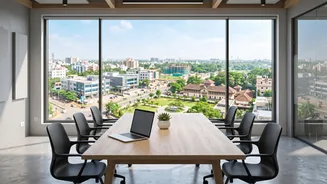
Smart companies are taking notice and reorienting their strategies. Direct-to-Consumer (D2C) brands like Mamaearth and boAt have found enormous success by targeting these markets, benefiting from lower competition and higher brand loyalty compared to the saturated metros. The logistics challenge, once a major hurdle, is now being addressed by innovative platforms, making it easier for brands to reach customers in cities like Raipur and Agartala. This economic shift is also creating new job hubs. Companies are drawn to the lower operational costs in non-metro areas, with real estate rentals nearly 50% cheaper than in big cities. As a result, nearly 70% of India's formal workforce is now based outside the metros, with cities like Visakhapatnam, Ludhiana, and Surat emerging as the fastest-growing job markets.