



A Social Media Sensation
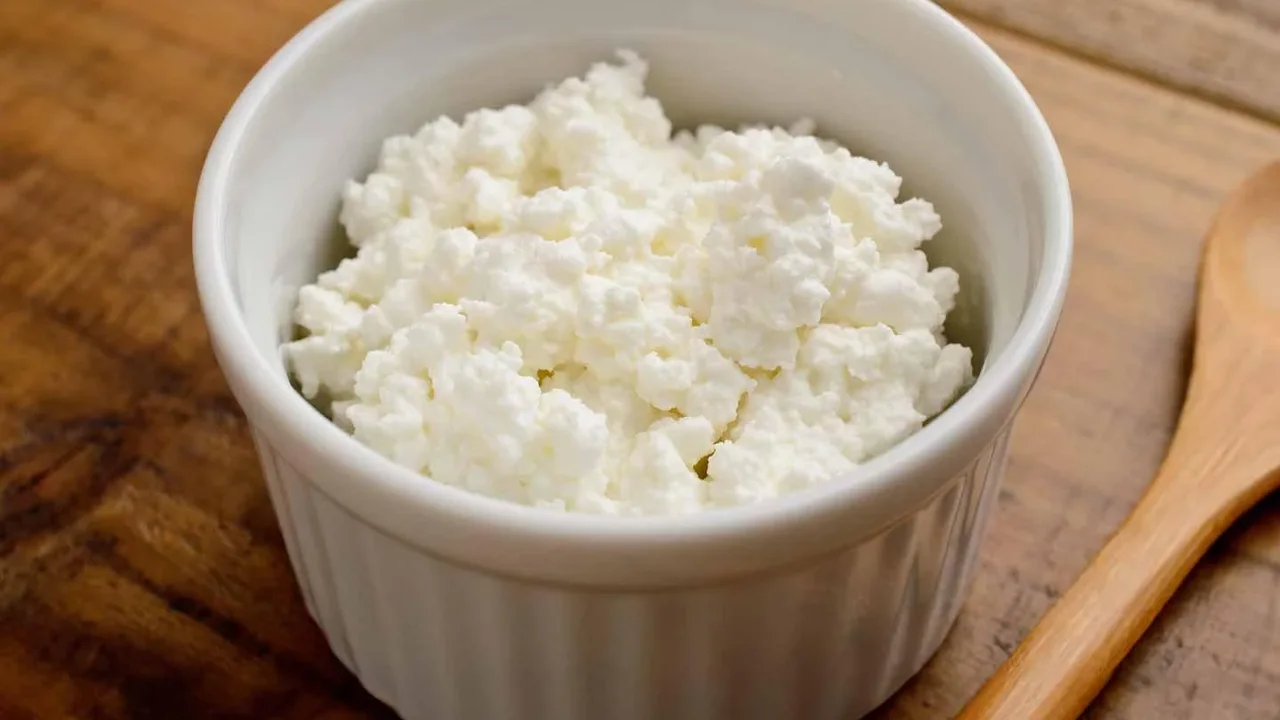
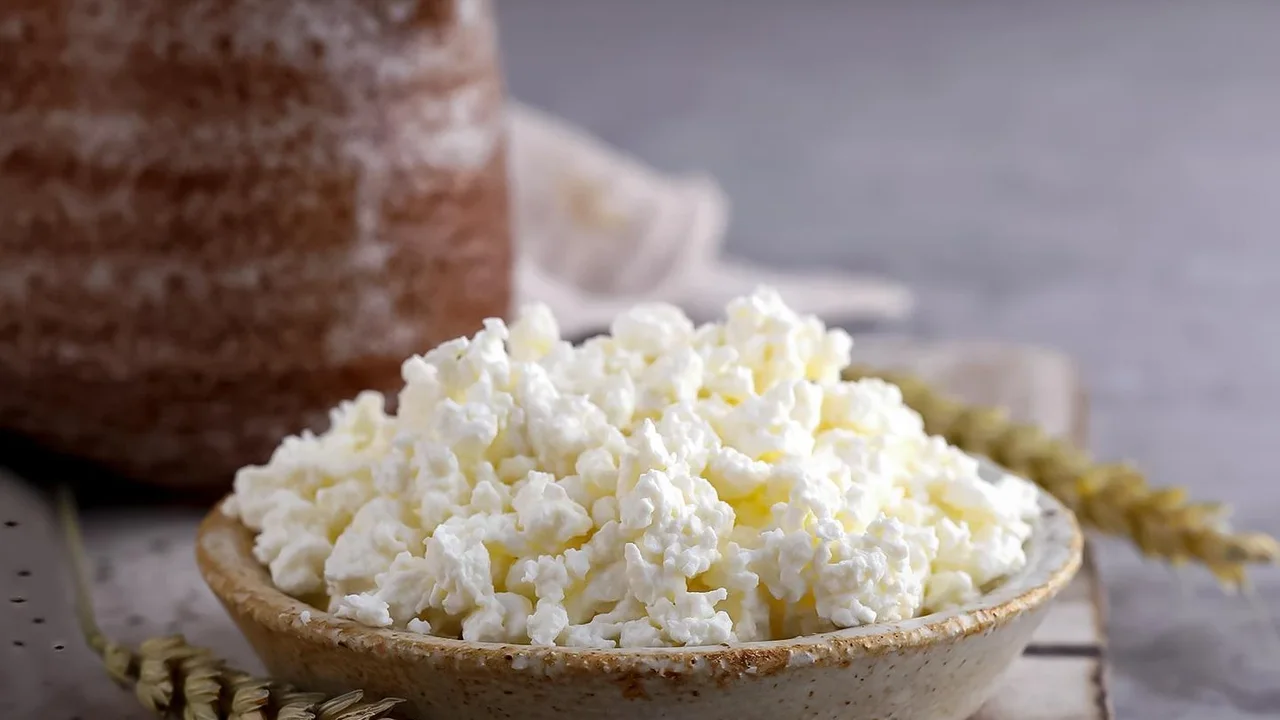
Not long ago, cottage cheese was likely relegated to a memory of 1970s diet plates. Now, it's the main character in countless viral videos on TikTok and Instagram. Influencers and food creators are showcasing its surprising ability to transform. The hashtag
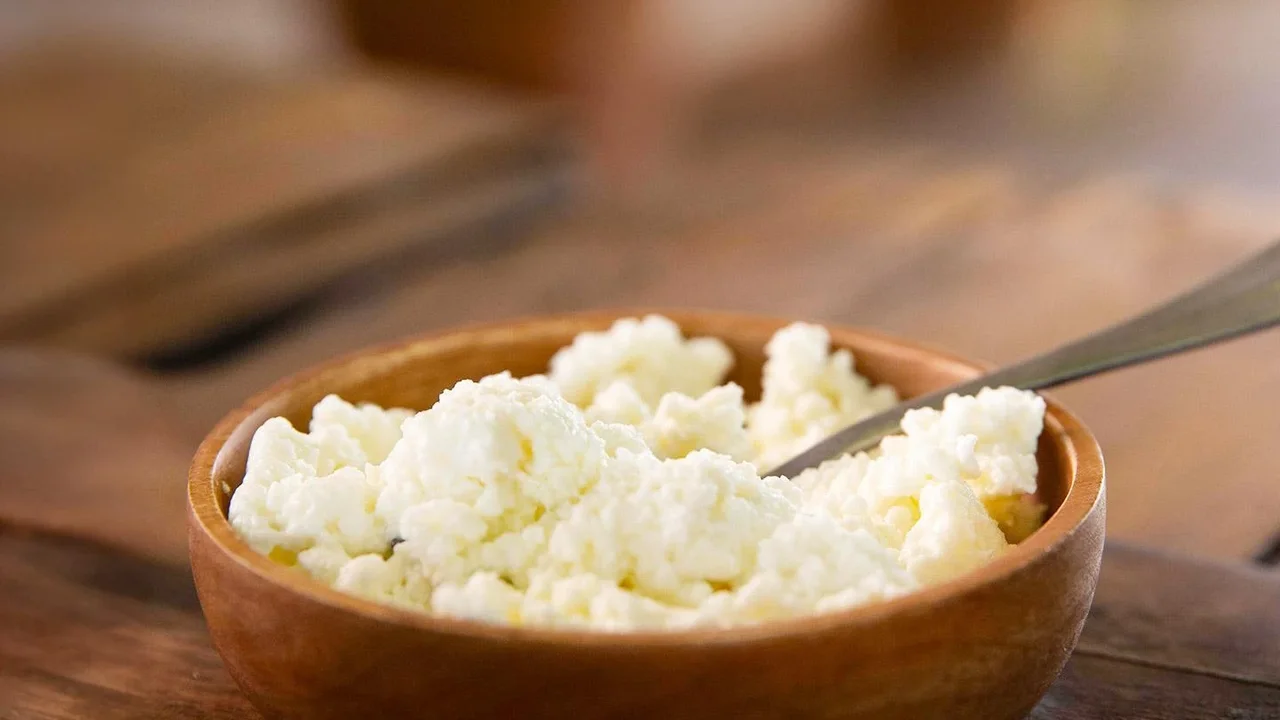
#cottagecheese has racked up hundreds of thousands of posts, featuring everything from creamy pasta sauces and pancake batter to cookie dough and queso. This social media boom, which began gathering steam around 2023, has translated into real-world results, with sales reportedly jumping significantly as more people discover its potential beyond being a simple side dish. The secret for many of these recipes is to blend the cottage cheese, eliminating its sometimes-polarizing curds to create a smooth, creamy base.
The Undeniable Protein Punch
The primary driver behind cottage cheese's resurgence is its impressive protein content. In an era where many people are focused on hitting protein goals for satiety, muscle repair, and overall health, cottage cheese stands out as an efficient and easy source. Depending on the brand and milk fat percentage, a single cup can pack around 25 grams of protein, often edging out its popular rival, Greek yogurt. This makes it a powerful addition to a post-workout smoothie, a satisfying breakfast, or a simple snack to keep you full between meals. For vegetarians or anyone looking to reduce meat consumption, it offers a substantial, non-meat protein source.
A Nutrient-Dense Profile
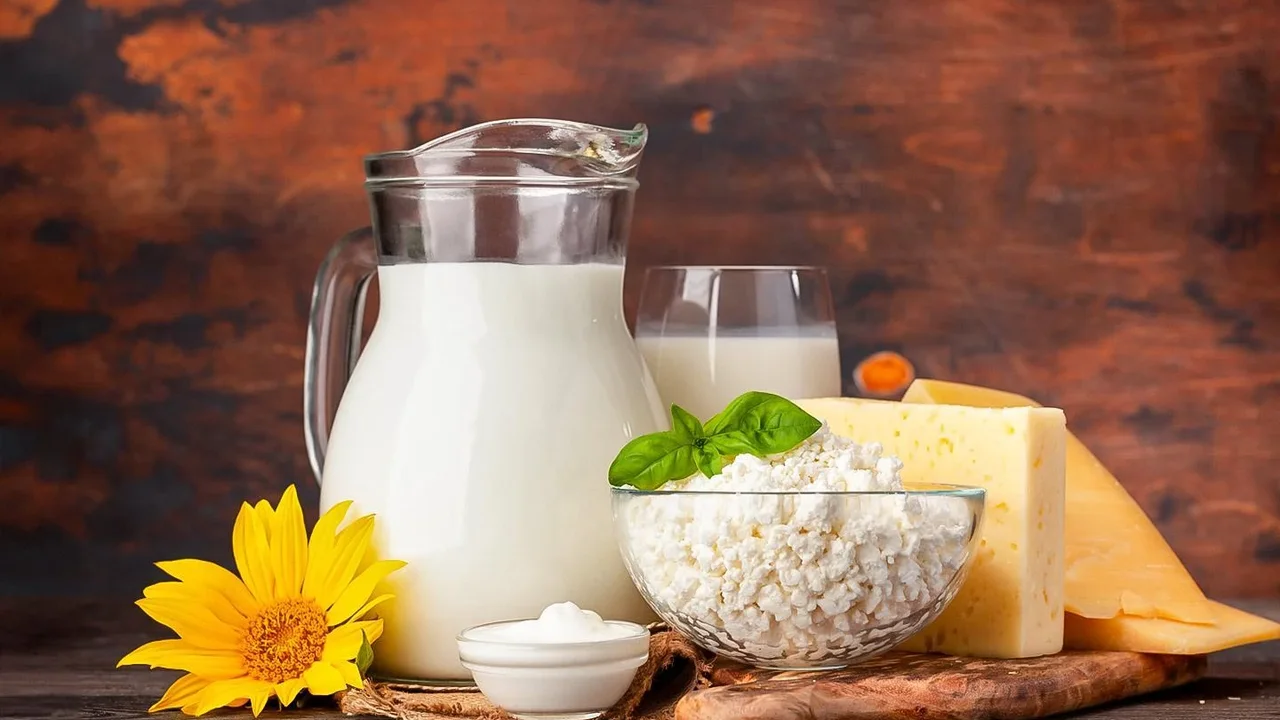
While protein gets most of the attention, cottage cheese offers a wealth of other nutrients. It's a fantastic source of calcium, which is crucial for bone health. It also provides essential nutrients like vitamin B12 and selenium. Some brands contain live and active cultures, which can contribute beneficial probiotics for gut health, similar to yogurt—though it's wise to check the label, as not all cottage cheese is cultured. Compared to many other cheeses, it's also relatively low in fat and calories, making it a nutrient-dense choice. Full-fat versions, typically around 4% milkfat, offer a richer taste and can provide longer-lasting energy.
The Ultimate Kitchen Chameleon
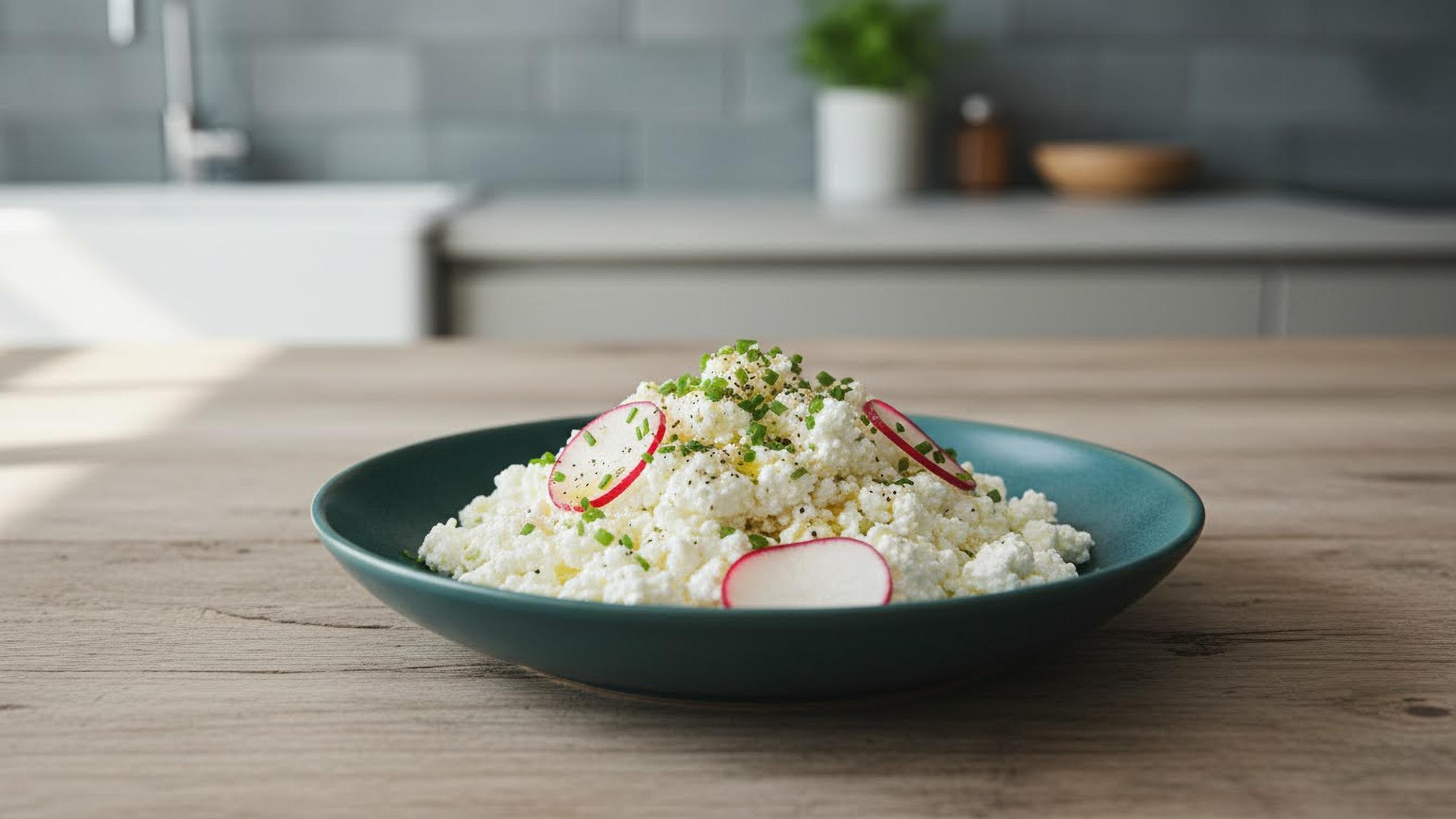
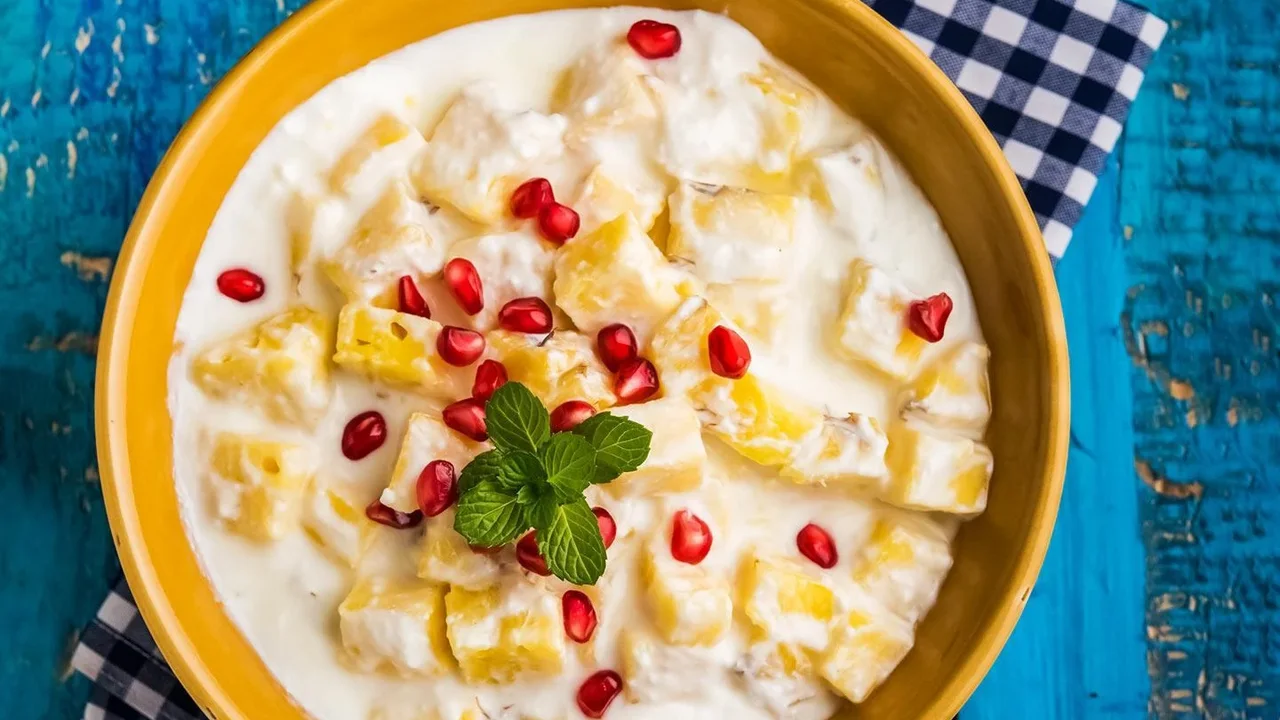
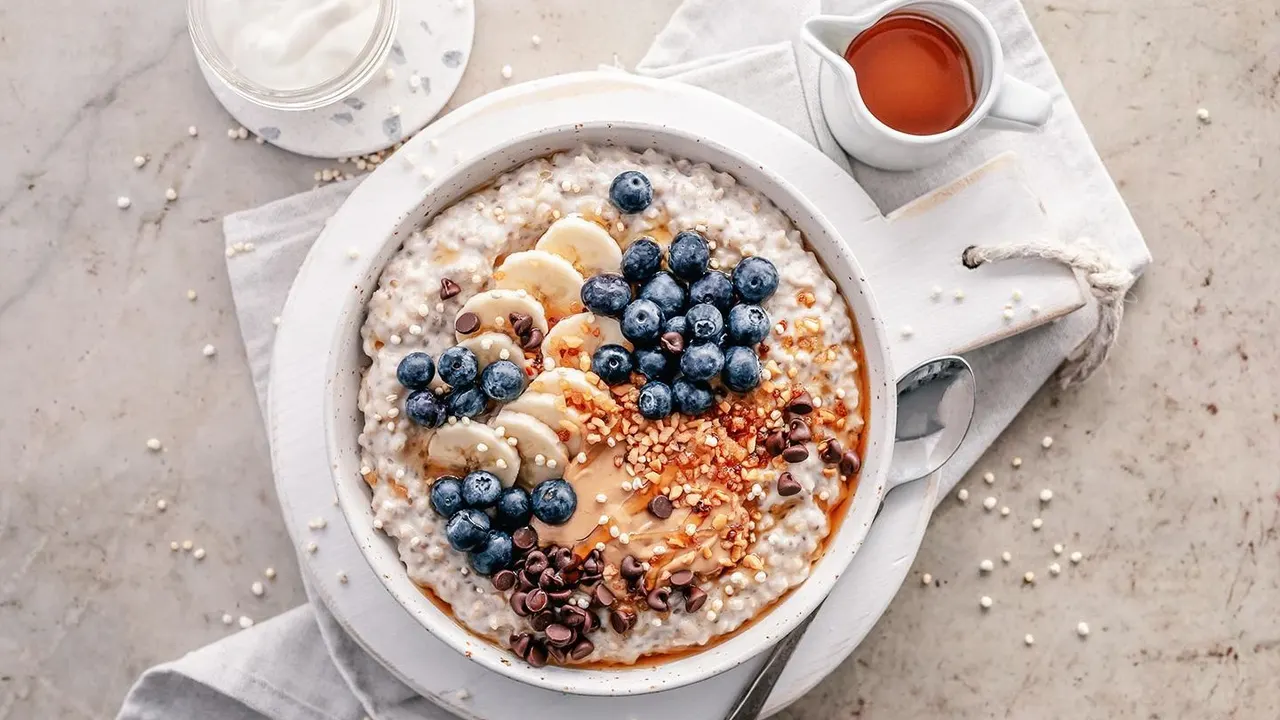
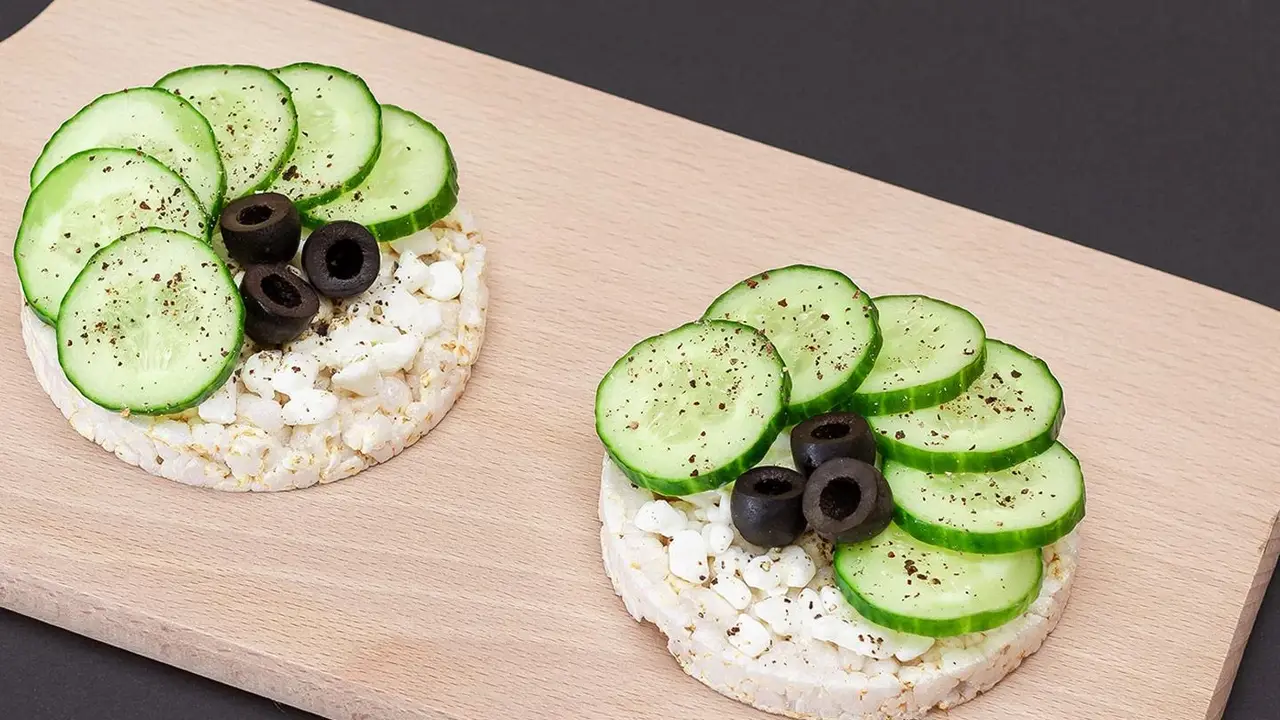
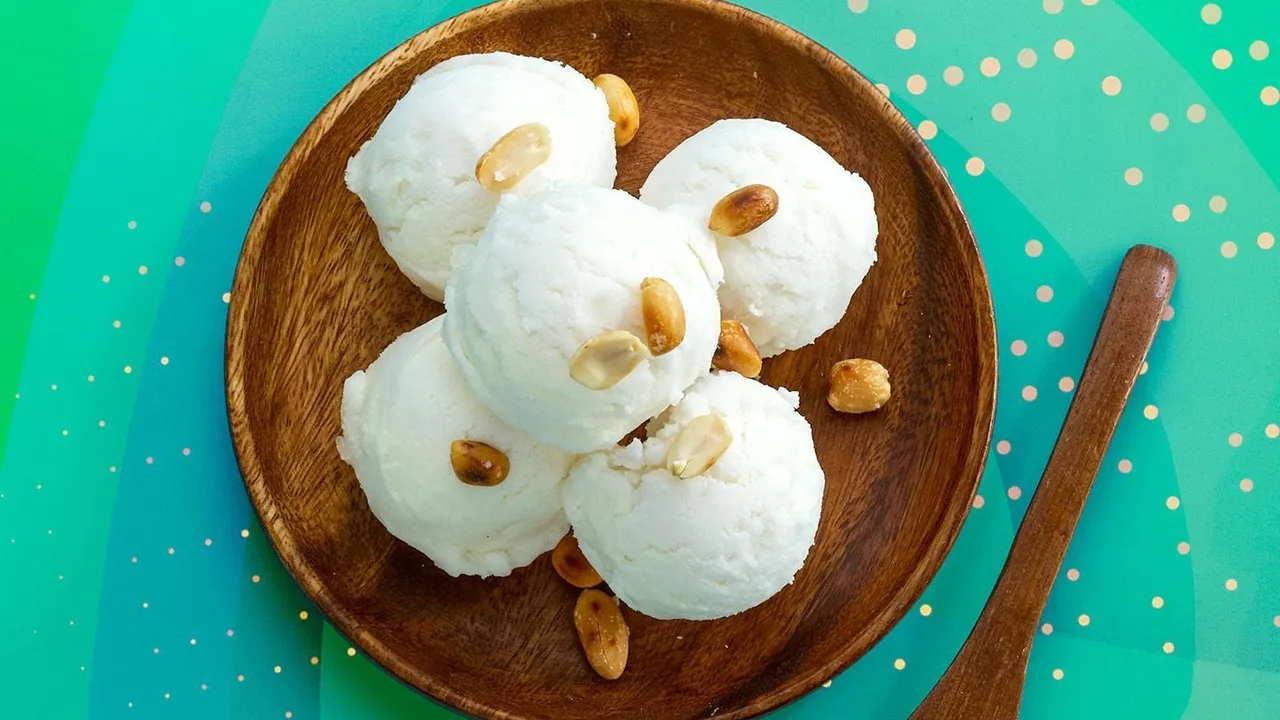
The real key to cottage cheese's modern revival is its incredible versatility. Its mild, slightly salty flavor means it doesn't overpower other ingredients, allowing it to seamlessly blend into both sweet and savory dishes. When whipped, its texture becomes smooth and luxurious, making it an ideal substitute for cream cheese, sour cream, or ricotta in recipes. This quality has unlocked a world of culinary creativity. It can be used to create high-protein mac and cheese, creamy salad dressings, fluffy scrambled eggs, and even rich cheesecakes. This adaptability makes it more than just a health food; it's a functional ingredient that can boost the nutritional value of a dish without sacrificing texture or flavor.
Is It Worth the Hype?
According to dietitians, the cottage cheese trend is largely a healthy one. It's recognized as a clean, minimally processed food that delivers significant protein. However, there is one key factor to watch: sodium. Cottage cheese can be significantly higher in sodium than Greek yogurt, so if you are monitoring your salt intake, it's important to compare brands or look for low-sodium options. The choice between full-fat and low-fat versions comes down to personal preference and dietary goals. Ultimately, its popularity reflects a broader shift towards foods that are both functional and fun. As a versatile, protein-rich ingredient, cottage cheese has proven it has a well-deserved place in the modern kitchen.